Contents:
- How Do Flowers Respond to Circadian Rhythm? (Direct Answer)
- What Is Circadian Rhythm in Plants?
- The Science Behind Plant Clocks
- Key Flower Actions Controlled by the Clock
- Famous Flowers With Strong Circadian Rhythms
- How Do Florists Use Circadian Rhythms?
- Timing Harvest and Transport
- Bouquet Presentation
- Flower Delivery Timing
- Why Do Flowers Have Circadian Rhythms?
- Evolutionary Advantage
- Synchronization with Pollinators
- Water and Energy Conservation
- The Science: How Does the Flower Clock Work?
- Genetic and Molecular Mechanisms
- Environmental Cues
- Real-World Impact: From Gardens to US Flower Shops
- Growing at Home
- Cut Flower Longevity
- Smart Floristry Tech
- Circadian Rhythm Challenges in the Flower Industry
- Shipping Across Time Zones
- Artificial Light in Stores
- Pull-Quote
- FAQ
- How do flowers know when to open and close?
- Can keeping flowers in the dark change their rhythm?
- Does circadian rhythm affect flower fragrance?
- Why do sunflowers follow the sun?
- Are there ways to reset a flower’s biological clock?
- Looking Ahead: Using Flower Rhythms for Better Bouquets
How Flowers Respond to Circadian Rhythm
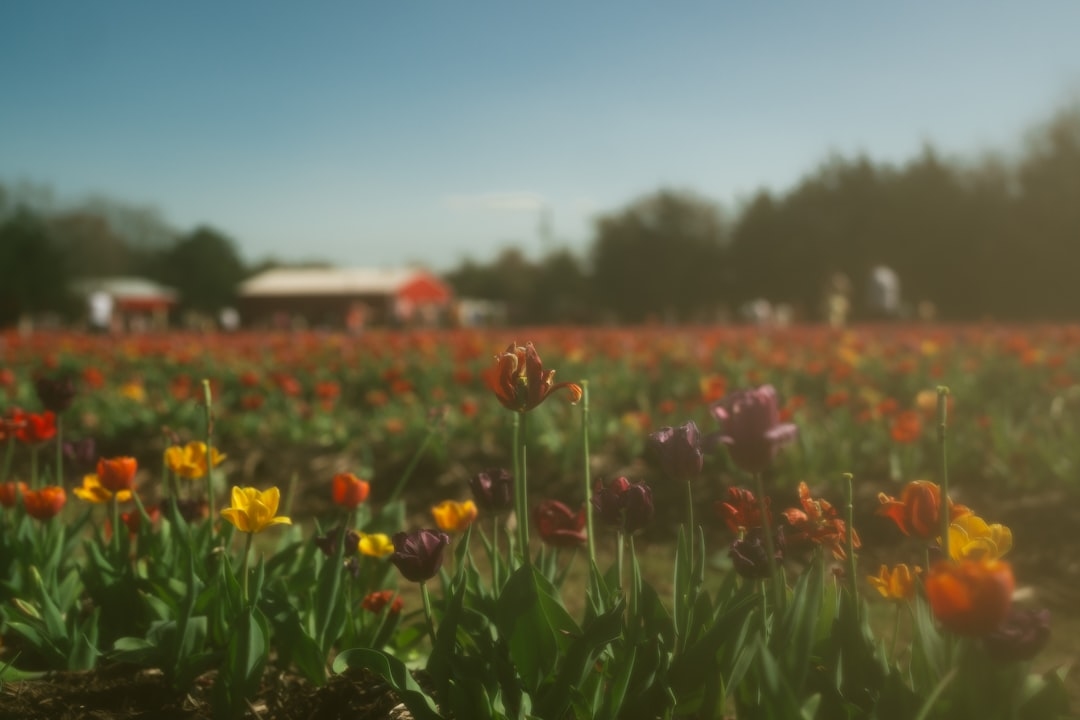
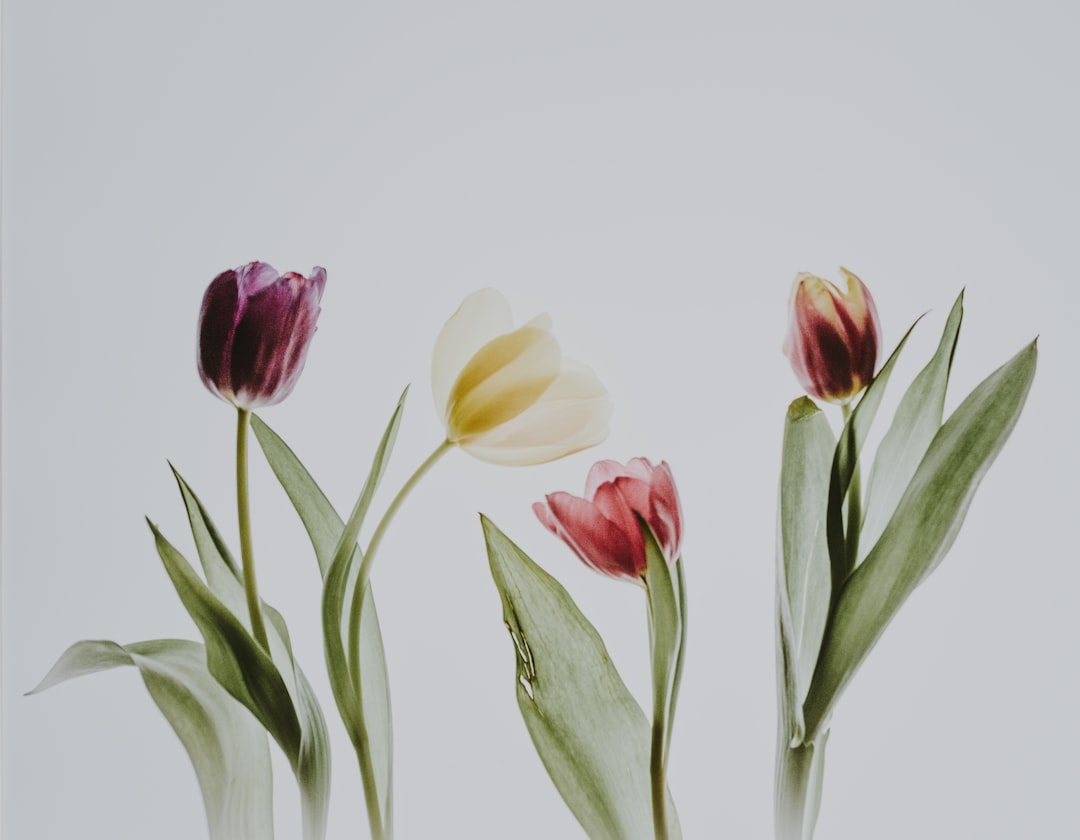
Just before dawn in a California flower field, tulips start to stir. Petals unfurl, stretching after the night’s rest, all in perfect timing with sunrise. Florists see it every day: bouquets open on cue, sunflowers tilt to chase the midday sun, and some blooms even close tight as dusk falls. This isn’t magic – it’s flowers’ circadian rhythm at work.
How Do Flowers Respond to Circadian Rhythm? (Direct Answer)
Flowers respond to circadian rhythm by opening, closing, moving, or altering scent production on a roughly 24-hour cycle, matched to light and dark. These daily rhythms optimize pollination, growth, and survival. For example, morning glories (Ipomoea spp.) time their opening for sunrise, sunflowers (Helianthus annuus) track the sun from east to west during the day, and gardenias release their strongest scent at night. This biological clock works even if light conditions change, thanks to internal genes and proteins that anticipate the day-night cycle.
What Is Circadian Rhythm in Plants?
Circadian rhythm isn’t just for humans. Plants, including your favorite flowers, keep time just as precisely.
The Science Behind Plant Clocks
At its core, the circadian rhythm is an internal 24-hour clock. In flowers, this clock regulates when to open, when to close, and even when to release fragrance. It’s not just light that matters – temperature, humidity, and even hormones inside the flower also play a role.
Dr. Emily Nguyen, a plant biologist at the University of Michigan, says, “Even if you put a rose in a dark closet, it’ll still try to keep its rhythm. The clock is hardwired.”
Key Flower Actions Controlled by the Clock
- Petal movement: Opening in the morning, closing at night.
- Scent emission: Strongest when pollinators are active.
- Color changes: Some blooms intensify color at certain times.
- Nectar production: Timed for pollinators’ routines.
Famous Flowers With Strong Circadian Rhythms
Not every flower is a strict clock-watcher, but some put on a real show.
| Flower | Circadian Behavior | US Seasonality (Peak) |
|---|---|---|
| Morning Glory | Opens at sunrise, closes midday | Summer to early fall |
| Sunflower | Follows sun (heliotropism) | Late summer |
| Evening Primrose | Opens at dusk, powerful scent at night | Early to mid-summer |
| Tulip | Opens with light, closes in shade/cold | Spring (March-May) |
| Gardenia | Nighttime scent release | Late spring to mid-summer |
Sunflowers are a classic example. Young sunflowers pivot east to west during the day, tracking the sun. At maturity, they fix eastward – maximizing morning warmth and attracting more bees, according to a 2024 study from UC Davis.
How Do Florists Use Circadian Rhythms?
Ask any US florist at a busy shop like Flower Fix in Atlanta, and they’ll tell you: timing is everything.
Timing Harvest and Transport
Flowers often get picked for bouquets right before peak bloom. Why? Blooms harvested at the “right time of day” last longer. According to Sarah Martinez, head designer at Dallas-based Petal Pros, “Morning-cut flowers tend to hold up better – they’re full of water and about to open naturally.”
Bouquet Presentation
Want lilies to look perfect for your event? Select those about to open, and match your display time to their circadian behavior.
“Understanding a flower’s rhythm means your bouquet looks fresh and lively all day long – not wilted by five o’clock.”
– Sarah Martinez, Petal Pros
Flower Delivery Timing
Big players like 1-800-Flowers and FTD often ship in temperature-controlled trucks, and many now time shipments for early-morning delivery in major cities. This keeps flowers on their natural schedule.
Why Do Flowers Have Circadian Rhythms?
Evolutionary Advantage
Circadian timing gives flowers a serious edge. Blooming at the “right” moment attracts preferred pollinators and fends off unwanted bugs or harsh conditions.
For instance, night-blooming jasmine opens and releases fragrance after dark, drawing in moths. Meanwhile, daytime bloomers like daisies rely on bees, who are most active in sunshine.
Synchronization with Pollinators
Many US-native flowers sync blooming with specific pollinators – think of the evening primrose and its nocturnal hawk moth partners, or California poppies bursting open with the morning sun for local bees.
Water and Energy Conservation
Opening petals only when needed conserves water and energy. This matters in hot, dry regions like Arizona or California, where floriculture is a multi-billion-dollar industry ($15.8 billion in US wholesale floriculture sales in 2024, per USDA).
The Science: How Does the Flower Clock Work?
Genetic and Molecular Mechanisms
Plant circadian rhythm is controlled by “clock genes” – a set of proteins (like TOC1, LHY, CCA1) that interact in a feedback loop. These genes turn on and off in cycles, creating a pulse that matches the 24-hour day.
Environmental Cues
- Light: The strongest trigger; changes in light reset the internal clock.
- Temperature: Shifts can tweak rhythm – cool nights signal closing time.
- Hormones: Internal signals like auxin and abscisic acid coordinate petal movement.
In 2026, CRISPR research at Cornell is even targeting flower clocks – aiming to breed “jet lag-free” roses for better shipping and display.
Real-World Impact: From Gardens to US Flower Shops
Growing at Home
US gardeners can use knowledge of circadian rhythm for better results. Plant morning bloomers (like tulips or daffodils) where they catch sunrise, while night-scented flowers go by the patio for evening enjoyment.
Cut Flower Longevity
American florists recommend changing water at dawn or dusk, matching flowers’ natural rhythms. Studies show cut dahlias last up to 15% longer when their care routine aligns with their circadian schedule.
Smart Floristry Tech
Floristry apps like BloomTime (popular in the US market at $9.99/month) now include circadian-based reminders for bouquet care, even suggesting optimal times to mist or display arrangements.
Circadian Rhythm Challenges in the Flower Industry
Shipping Across Time Zones
Flowers flown from California to New York can arrive “jet-lagged.” Their clock might be off by a few hours, making them open too early or late. US wholesalers like Mayesh have begun experimenting with specialized lighting in storage to “reset” flower clocks before delivery.
Artificial Light in Stores
Florists using strong, continuous lighting might confuse flowers’ rhythms – sometimes leading to faster wilting or odd scent patterns. New LED setups now mimic natural day-night cycles to extend shelf life.
Pull-Quote
“A bouquet isn’t just a pretty thing – it’s a living dance with the sun and sky. Understanding its rhythm is the secret to real flower power.”
– James Pak, Master Florist, San Francisco
FAQ
How do flowers know when to open and close?
Flowers sense environmental cues like light and temperature, but also rely on an internal circadian clock driven by specific genes. This clock runs in a roughly 24-hour cycle, allowing flowers to time their opening and closing even in the absence of outside triggers.
Can keeping flowers in the dark change their rhythm?
While darkness can shift or weaken a flower’s circadian rhythm, most flowers still maintain a cycle for several days thanks to their internal clocks. Over time, constant dark (or light) can disrupt their regular opening and closing patterns.
Does circadian rhythm affect flower fragrance?
Yes. Many flowers, including gardenias and jasmine, increase scent production at times synced with pollinators’ activity, usually controlled by circadian genes. For example, night-blooming flowers ramp up scent after sunset.
Why do sunflowers follow the sun?
Young sunflowers move their heads during the day to follow the sun, a process known as heliotropism. This is regulated by their circadian rhythm and growth hormones, helping them maximize energy absorption and attract more pollinators.
Are there ways to reset a flower’s biological clock?
To some extent, yes. Florists can use controlled lighting and temperature shifts to help flowers “adjust” after shipping. This is becoming more common in large-scale US flower distribution centers.
Looking Ahead: Using Flower Rhythms for Better Bouquets
The best American florists already watch the clock – not with a wristwatch, but by tuning in to their flowers. Want longer-lasting blooms at home? Try setting your arrangements near windows with natural light and misting or freshening water during the flowers’ most active periods, usually early morning.
As floriculture science advances, expect to see even smarter bouquets, engineered to sync with your local sunrise–right down to the petal. The rhythm of flowers isn’t just a curiosity. It’s the future of lush, long-lived bouquets across the US.