Contents:
- Why Generic Bouquets Fall Short (And What to Do Instead)
- Step 1: Know the Birth Month Flowers
- Step 2: Layer in Personality
- The Bold, Outgoing Type
- The Quiet, Thoughtful Introvert
- The Romantic
- The Outdoorsy, Nature-Loving Type
- The Minimalist
- Step 3: Choose a Color Story
- Birth Month Bouquets vs. Zodiac Bouquets: What’s the Difference?
- What the Pros Know
- Step 4: Pick Your Flower Source Intentionally
- The Sustainability Angle: Eco-Friendly Choices That Still Look Stunning
- Real Examples: Birth Month + Personality in Action
- Example 1: April Birthday, Bold and Extroverted
- Example 2: November Birthday, Introverted and Minimalist
- Example 3: August Birthday, Nature-Lover
- Troubleshooting: When You Can’t Find the Birth Month Flower
- Frequently Asked Questions
- What is the most popular birth month flower for birthday bouquets?
- Can I combine multiple birth month flowers in one bouquet?
- How much should I budget for a personalized birth month bouquet?
- Are birth month flowers different from birth flowers used in jewelry or tattoos?
- Does The Scarlet Flower offer same-day delivery for birthday bouquets?
- Making It Memorable
Have you ever stood in front of a flower display, heart set on getting something truly meaningful, only to walk out with the same generic mixed bouquet you always buy? There’s nothing wrong with roses and lilies — but what if the person you’re celebrating deserves something that actually says you thought about them? Choosing a bouquet that aligns with someone’s birth month and personality turns a beautiful gesture into a genuinely personal one. It’s the difference between a gift and a story.
This guide walks you through exactly how to do it — from decoding birth month flowers to reading personality cues — so the next time a birthday rolls around, you’re not guessing. You’re choosing with intention.
Why Generic Bouquets Fall Short (And What to Do Instead)
The birthday flower tradition dates back centuries. Ancient Romans and Greeks assigned flowers to months and seasons, believing blooms carried specific energies and meanings. Today, birth month flowers are a largely overlooked detail that florists and gift-givers with real expertise rely on constantly. Most people, though, never think to ask about them.
The result? A lot of beautiful but impersonal arrangements. You spend $60 to $120 on flowers, and the recipient appreciates them — but there’s no deeper resonance. The bouquet wilts in a week and leaves no lasting impression.
Matching a bouquet to both birth month and personality solves this entirely. It signals that you paid attention. It creates a moment of genuine surprise — “Wait, how did you know I love these?” And in 2026, when personalized gifting has become the expectation rather than the exception, that surprise matters more than ever.
Step 1: Know the Birth Month Flowers
Every month has one or two traditional birth flowers. These aren’t arbitrary — they reflect the natural bloom cycles of the Northern Hemisphere and centuries of floral symbolism. Here’s a quick reference:
- January: Carnation (admiration, love) and Snowdrop (hope, purity)
- February: Violet (faithfulness, loyalty) and Primrose (young love)
- March: Daffodil (new beginnings, joy) and Jonquil (desire, affection)
- April: Daisy (innocence, cheerfulness) and Sweet Pea (blissful pleasure)
- May: Lily of the Valley (happiness, humility) and Hawthorn (hope)
- June: Rose (love, passion) and Honeysuckle (devoted affection)
- July: Larkspur (open heart, positivity) and Water Lily (purity)
- August: Gladiolus (strength, sincerity) and Poppy (imagination)
- September: Aster (wisdom, love) and Morning Glory (affection)
- October: Marigold (creativity, passion) and Cosmos (order, tranquility)
- November: Chrysanthemum (joy, longevity) and Peony (prosperity)
- December: Narcissus (self-esteem, luck) and Holly (hope, protection)
When you’re ordering a bouquet delivery for birthday, this list is your foundation. The birth flower doesn’t have to be the only bloom in the arrangement — but weaving it in as a focal point or accent immediately elevates the gift from “pretty flowers” to “this was made for you.”
Step 2: Layer in Personality
Birth month flowers are the framework. Personality is where you personalize the arrangement down to the stem. Think about the person you’re buying for — not in abstract terms, but in specific, observable ways.
The Bold, Outgoing Type
They walk into a room and the energy shifts. They love color, drama, and anything that commands attention. For this person, go with statement blooms in saturated hues: deep crimson dahlias, orange protea, hot pink gerberas, or oversized sunflowers. Structural arrangements with height and volume suit them well. Avoid delicate, pastel-heavy designs — they’ll feel like an understatement.
The Quiet, Thoughtful Introvert
They notice details others miss. They probably have a favorite corner of the house where they read or a plant they’ve been nurturing for two years. For this person, elegance over extravagance is the rule. Think white ranunculus, garden roses in blush or ivory, soft eucalyptus, and muted lavender. The bouquet should feel considered and calm, not loud.
The Romantic
They keep ticket stubs and birthday cards. They cry at commercials. This is the classic-roses-but-done-properly archetype — but not the stiff, florist’s-window-display kind. A lush arrangement of garden roses in soft pinks, deep reds, and dusty mauve, with trailing jasmine or sweet peas, hits differently than a formal dozen-rose bundle.
The Outdoorsy, Nature-Loving Type
They spend weekends hiking and have a compost bin in the kitchen. For this person, the wilder the bouquet looks, the better. Wildflower-style arrangements with herbs, dried grasses, textural seed pods, and native blooms speak their language. Scented flowers — lavender, chamomile, rosemary — add another sensory layer they’ll genuinely appreciate.
The Minimalist
Their home looks like a design magazine. They probably already have one very good vase on a shelf and nothing else. A single-variety bouquet — all white tulips, all blush peonies, all yellow freesia — is more impressive to them than an elaborate mixed arrangement. Less is more, always.
Step 3: Choose a Color Story
Color psychology plays a real role in floral gifting, and it’s something most people completely overlook. The colors in a bouquet communicate mood before the recipient even registers the specific flowers.
- Warm tones (red, orange, yellow): Energy, celebration, warmth. Best for birthdays, milestones, or anyone who loves a vibrant space.
- Cool tones (blue, purple, lavender): Calm, creativity, depth. Excellent for artistic or introspective personalities.
- Neutrals (white, cream, blush, sage green): Sophistication, serenity. Perfect for minimalists or anyone with refined taste.
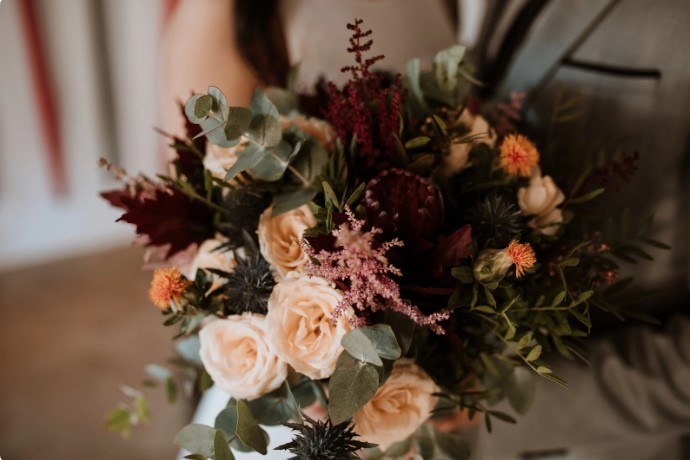
- Mixed jewel tones (burgundy, plum, forest green): Drama and richness. Ideal for anyone who decorates boldly or loves moody aesthetics.
Match the color palette to both the personality type and the birth month flower for maximum cohesion. A March birthday for an extroverted personality? Bright yellow daffodils anchored with rich orange tulips and deep green foliage — that’s a combination that works on every level.
Birth Month Bouquets vs. Zodiac Bouquets: What’s the Difference?
This is a common point of confusion, and it’s worth clarifying because the two approaches yield very different results. Birth month bouquets are based on traditional botanical calendars — flowers that historically correspond to each calendar month. Zodiac bouquets are built around astrological signs, with flowers chosen for their symbolic resonance with each sign’s characteristics.
They’re not interchangeable. A July birthday lands in Cancer (June 21–July 22) or Leo (July 23–Aug 22), two signs with very different flower associations. Cancer’s traditional zodiac flowers include white roses and jasmine; Leo’s are sunflowers and marigolds. Meanwhile, July’s birth month flowers are larkspur and water lily — something entirely different again.
Which system should you use? Use both as input, not as competing instructions. If someone’s a July Leo who has an extroverted, sunny personality, sunflowers with larkspur and a pop of marigold is a beautifully unified choice. If they’re a quiet, introspective Cancer, lean toward water lily, jasmine, and white roses instead.
What the Pros Know
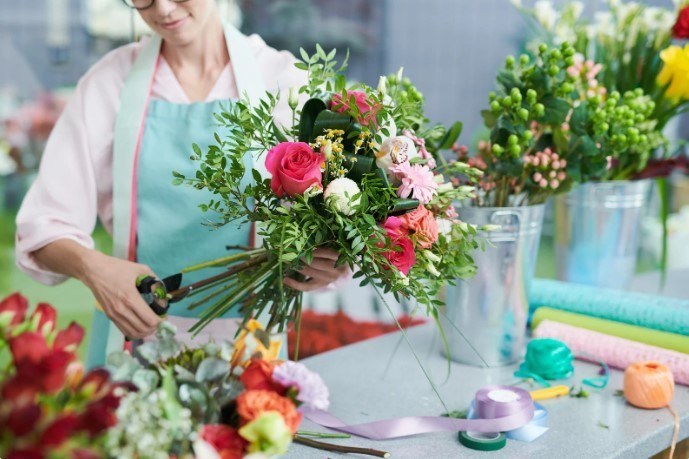
Pro Tip: Professional floral designers at shops like https://thescarletflower.com/ don’t just pull from a list of birth flowers — they think in terms of “hero, supporting, and texture” blooms. The birth month flower is usually the hero (the focal point). A personality-matched secondary bloom provides color and body. Then, textural elements — seed pods, dried grasses, herbs, or leafy branches — tie the arrangement together. Most DIY bouquets fail because they skip the texture layer. Add it, and your bouquet suddenly looks like it was designed by someone who really knows flowers.
Step 4: Pick Your Flower Source Intentionally
Where you buy matters as much as what you buy. Big-box grocery store bouquets are convenient, but they almost always arrive pre-assembled with no input from you, and the flowers have often traveled thousands of miles in refrigerated containers before reaching the shelf. They’re not bad flowers, but they’re not designed for personalization.
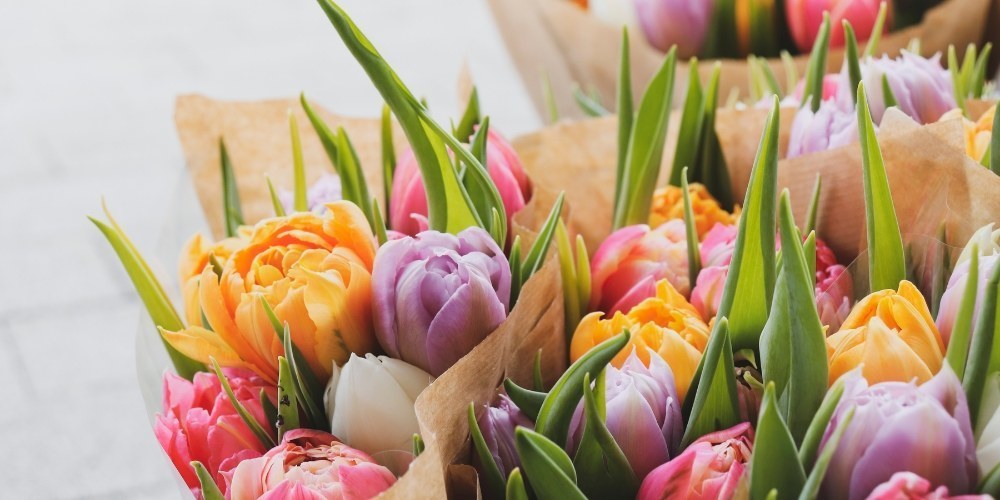
A specialty florist — particularly one with a deep inventory and design expertise — can actually build the bouquet around your specifications. The Scarlet Flower operates with exactly this kind of flexibility. Their team works with fresh, seasonally available blooms and can incorporate specific flowers based on birth month and style preference. If you’re in the Long Beach area and want to see what’s available in person, https://thescarletflower.com/pages/long-beach has current location and ordering details.
The difference in quality between a custom-designed arrangement and a pre-made grab-and-go bouquet is noticeable — not just in appearance, but in longevity. Well-conditioned stems from a reputable florist can last 7 to 14 days in a proper vase with clean water, compared to 4 to 6 days for grocery store arrangements that have already been sitting in their packaging.
The Sustainability Angle: Eco-Friendly Choices That Still Look Stunning
The cut flower industry has a genuine environmental footprint. A significant portion of flowers sold in the US are imported from Colombia, Ecuador, and Kenya — where labor and pesticide use are sometimes concerns — and they require cold-chain logistics that add to carbon emissions. This doesn’t mean flowers are off the table for eco-conscious gift-givers. It means making smarter choices.
Here’s what to look for:
- Locally grown or domestic flowers: Flowers grown in California, Oregon, or Washington have a dramatically shorter supply chain. Ask your florist about domestic sourcing — The Scarlet Flower prioritizes this where seasonal availability allows.
- Certified sustainable farms: Look for flowers certified by Veriflora or Rainforest Alliance, which set standards for pesticide use, water management, and fair labor practices.
- Seasonal choices: Seasonal flowers require less artificial intervention to grow. A September bouquet centered on asters and dahlias (which are naturally in season in fall) has a lighter footprint than one demanding mid-summer blooms in winter.
- Dried and preserved elements: Mixing fresh blooms with dried lavender, pampas grass, or preserved eucalyptus reduces overall fresh-flower volume while adding texture and longevity. Some dried accents last months or even years.
- Biodegradable wrapping: Ask your florist to skip synthetic ribbons and plastic sleeve wrap in favor of kraft paper, twine, or reusable fabric wrapping. The Scarlet Flower can accommodate this on request.
A thoughtful, eco-conscious bouquet can be just as stunning — often more so — than one that leans on conventional sourcing. Native wildflower arrangements in particular look effortlessly beautiful and have practically zero import footprint.
Real Examples: Birth Month + Personality in Action
Example 1: April Birthday, Bold and Extroverted
April’s birth flowers are daisies and sweet peas. For someone loud, vibrant, and socially magnetic, build around white Shasta daisies as the hero, add vivid fuchsia sweet peas and bright yellow ranunculus for color, then finish with textural stems of flowering mint and curly willow. The arrangement reads as playful, cheerful, and unapologetically lively — a perfect mirror of the person.
Example 2: November Birthday, Introverted and Minimalist
November’s birth flowers are chrysanthemums and peonies. For someone who prefers quiet and curated spaces, go all-white or ivory: white chrysanthemums with blush peonies (if still available from late-season stock), soft dusty miller foliage, and a few sprigs of dried baby’s breath. The palette is hushed; the arrangement is architectural. It looks like something from an interior design shoot.
Example 3: August Birthday, Nature-Lover
August’s flowers are gladiolus and poppies. For a hiker or gardener, lean into the wildflower aesthetic: tall gladiolus stems in a warm coral, orange poppies, sprigs of fresh rosemary, dried grasses, and a few seed pods for texture. Wrap it in brown kraft paper with twine. The whole thing looks like it was gathered on a country walk — which is exactly the right feeling.
Troubleshooting: When You Can’t Find the Birth Month Flower
Not every birth month flower is available year-round. Lily of the Valley (May) has an extremely short season. Water Lily (July) is almost never sold as a cut flower. Sweet Pea (April) has limited availability outside spring. What do you do?
Use a color or form substitute. If you can’t get larkspur for a July birthday, substitute delphiniums — they look almost identical and carry similar symbolism. No lily of the valley available? White muscari or white hyacinths are close in form and fragrance.
Lean into symbolism. Some birth month meanings (hope, joy, new beginnings) can be carried by other flowers entirely. Ask your florist to recommend an alternative that carries the same emotional tone.
Use dried or preserved versions. Several seasonal flowers — peonies, lavender, roses — are available in dried form year-round. A small cluster of dried birth month flowers tucked into a fresh arrangement keeps the personal touch alive even when fresh stock isn’t available.
The Scarlet Flower’s design team is particularly good at these kinds of substitutions — they work with what’s beautiful and available, not just what’s technically on the list. That’s the kind of expertise that makes the final arrangement actually stunning rather than just symbolically correct.
Frequently Asked Questions
What is the most popular birth month flower for birthday bouquets?
June’s birth flower — the rose — is by far the most commonly requested for birthday arrangements, which makes sense given roses’ near-universal availability and cultural resonance. However, birth flowers like September’s aster and May’s peony have grown significantly in popularity in 2026 as more people seek out personalized gifting options.
Can I combine multiple birth month flowers in one bouquet?
Absolutely. If you know both the recipient’s birth month flower and a meaningful flower from another person involved in the celebration (a parent, a partner, a best friend), combining both creates a layered, story-driven arrangement. Just keep the overall color palette cohesive so the bouquet reads as intentional rather than eclectic.
How much should I budget for a personalized birth month bouquet?
A well-designed custom bouquet from a specialty florist typically runs $65 to $150, depending on flower availability and arrangement size. Seasonal, locally grown blooms can be more affordable than imported specialty flowers. If budget is a concern, a smaller mono-floral arrangement (single variety, beautifully presented) can be just as impactful at a lower price point.
Are birth month flowers different from birth flowers used in jewelry or tattoos?
The lists are largely the same, though some jewelry and tattoo traditions use simplified single-flower-per-month lists, while the traditional botanical calendar often includes two flowers per month. For gifting purposes, either flower from the month’s pair is appropriate — choose whichever is more available, more beautiful, or more personally meaningful to the recipient.
Does The Scarlet Flower offer same-day delivery for birthday bouquets?
Yes — The Scarlet Flower offers same-day delivery options in their service area, which is especially useful for last-minute birthday gifts. Checking availability early in the day gives you the best selection of fresh, seasonal blooms for a customized arrangement.
Making It Memorable
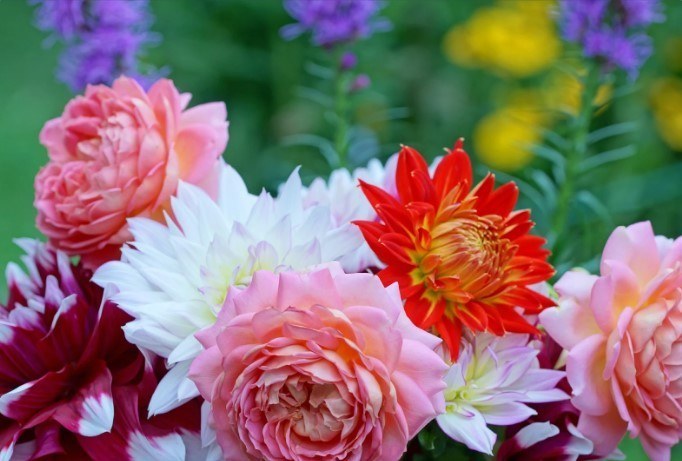
A birthday is a moment someone will remember, even if briefly. The flowers you send are part of that memory — and a bouquet that was genuinely chosen for someone, not just grabbed because it was available, carries a different kind of weight. Birth month flowers give you a meaningful starting point. Personality guides the palette and style. And working with a skilled florist like The Scarlet Flower makes sure the execution actually matches the intention.
The next time a birthday is coming up, start with two questions: What month were they born? And what makes them them? The answers will tell you almost everything you need to know about the perfect bouquet.