Contents:
- Why Hydrangeas Are Built to Wilt (It’s Not Your Fault)
- The Air Bubble Problem
- The Large-Bloom Surface Area Factor
- The Latex-Like Sap Issue
- The Hot Water Trick: Step-by-Step Revival
- What You Need
- The Process
- What If They Still Don’t Perk Up?
- Preventing the Wilt: Smart Care From Day One
- The First 10 Minutes Matter Most
- Strip the Leaves Below the Waterline
- Location, Location, Location
- Change the Water Every Other Day
- Seasonal Care Calendar: Month-by-Month Guide
- January – February (Deep Winter)
- March – April (Early Spring)
- May – June (Late Spring / Early Summer)
- July – August (Peak Summer)
- September – October (Early Fall)
- November – December (Holiday Season)
- Eco-Friendly Ways to Extend — and End — a Hydrangea Bouquet
- Drying Your Hydrangeas
- Composting
- Choosing Sustainable Sources
- Reusing Vase Water
- Understanding Hydrangea Varieties and Their Vase Life
- Bigleaf Hydrangeas (Hydrangea macrophylla)
- Panicle Hydrangeas (Hydrangea paniculata)
- Smooth Hydrangeas (Hydrangea arborescens)
- Oakleaf Hydrangeas (Hydrangea quercifolia)
- Pairing Hydrangeas With Other Flowers: What Works
- Budget-Conscious Buying Tips
- Buy Tight, Not Open
- Check the Stems and Leaves
- Timing Your Purchase
- Quantity Over Variety
- Frequently Asked Questions
- My hydrangeas wilted overnight and haven’t been out of water. What went wrong?
- Can I use flower food packets with hydrangeas?
- Can I revive hydrangeas that have been wilted for more than a day?
- Why do some of my hydrangeas revive with the trick but others don’t?
- Is it better to keep hydrangeas in a cool room or a warm one?
- One Final Note on Getting Your Money’s Worth
You splurge on a gorgeous hydrangea flowers bouquet — those big, pillowy blooms practically glowing in shades of blush pink or sky blue — and you set it on the kitchen table feeling pretty proud of yourself. Two hours later you walk back in and the whole thing looks like it’s auditioning for a sad documentary. Heads drooping, petals going papery at the edges. What happened?
If you’ve been there, you’re in very good company. Hydrangeas are famously dramatic about water, and most people never get a fair warning before the melt-down begins. The good news: there’s a simple revival technique that works in under an hour, costs nothing, and doesn’t require any special supplies. Even better, once you understand why these flowers droop so fast, you can prevent the whole crisis from happening in the first place.
This guide covers everything — the botany behind the wilt, the hot water trick explained step by step, a month-by-month care calendar, eco-friendly tips for getting every last day out of your blooms, and answers to the most common questions people ask. By the end you’ll handle hydrangeas like a seasoned florist, even if this is your first bouquet.
Why Hydrangeas Are Built to Wilt (It’s Not Your Fault)
Before blaming yourself, it helps to know what you’re dealing with. Hydrangeas belong to the genus Hydrangea, and their name literally comes from the Greek words for water (hydro) and vessel (angos). They are, at their core, water-storage machines. Their thick, succulent stems and large flower heads are designed to hold and move a ton of moisture — which means any interruption in that water supply hits them harder and faster than it hits most other cut flowers.
The Air Bubble Problem
The number one reason a freshly cut hydrangea wilts before its time is an air bubble. The moment you cut a stem, air rushes into the vascular tissue (the tiny tubes called xylem that normally carry water up the stem). That bubble acts like a cork — no matter how much water is in your vase, it can’t get past the blockage to reach the flower head. The bloom starves while sitting in a full vase of water. Frustrating? Absolutely. Fixable? Completely.
The Large-Bloom Surface Area Factor
Hydrangea flower heads are made up of dozens — sometimes hundreds — of individual tiny florets clustered together into that signature rounded pom-pom shape. All that surface area means the plant is transpiring (releasing moisture through its petals and leaves) at a much higher rate than, say, a single rose bloom. On a warm day, a hydrangea can lose water faster than even a healthy stem can draw it up, especially if you’ve got it near a sunny window or an air-conditioning vent.
The Latex-Like Sap Issue
Hydrangea stems also release a milky, slightly sticky sap when cut. This sap can harden and seal off the stem end within minutes, adding to the blockage problem. That’s why flowers bought from a shop and left uncut for even a short car ride often arrive already struggling. The stem end has sealed itself on the way home.
The Hot Water Trick: Step-by-Step Revival
Florists have used this technique for decades. It sounds counterintuitive — won’t hot water cook the stems? — but the science is solid. Hot water moves into plant tissue far more efficiently than cold water does, because heat reduces the viscosity of water, helping it push through blocked xylem tubes and dissolve or dislodge the air bubble or hardened sap.
What You Need
- A kettle or pot of water heated to about 160–180°F (70–80°C) — not a rolling boil, just steaming hot
- A clean vase or heat-safe container (a mason jar works fine)
- Sharp scissors or pruning shears
- A towel or paper to protect the blooms from steam
- Cool, fresh water for the final vase
The Process
- Boil and let stand. Heat water to about 160–180°F. Let it sit for 60 seconds off the heat. You want it very hot but not aggressively boiling.
- Pour about 2–3 inches into a container. Use a heat-safe vase, pitcher, or large mason jar. You only need a few inches of hot water — enough to submerge the very bottom of the stems.
- Re-cut the stems at a sharp angle. Use scissors or sharp shears to cut at a 45-degree angle about an inch up from the bottom of each stem. Do this right before you put them in the hot water so no new air bubble forms.
- Protect the blooms from steam. Loosely wrap the flower heads in a kitchen towel or drape a cloth over the top of the container. Steam is just as damaging as dry heat — you don’t want those petals wilting further from the vapor.
- Soak for 30–60 minutes. Leave the stems in the hot water as it slowly cools down to room temperature. You’ll often see stems start to straighten within 20 minutes.
- Transfer to fresh cool water. Once the blooms have perked up, move the vase to fresh, cool water and place them somewhere out of direct sunlight and away from drafts.
That’s genuinely it. Most hydrangeas that look completely finished will recover to at least 80% of their original glory using this method. Some will come back so completely you’d never know they had a bad afternoon.
What If They Still Don’t Perk Up?
For extreme cases — stems that have been out of water for several hours — try a full submersion method first. Fill a sink or large bowl with cool water and submerge the entire flower head and stem for 20–30 minutes. The blooms can absorb water directly through their petals and florets, bypassing the stem blockage entirely. Then follow with the hot water stem treatment described above. This two-step approach rescues even the most dramatically wilted specimens.
Preventing the Wilt: Smart Care From Day One
The best way to deal with wilting is to stop it from happening. Here’s how to set your bouquet up for success the moment you bring it home.
The First 10 Minutes Matter Most
When you get home with fresh hydrangeas, don’t set them down and go unpack your groceries. Those first ten minutes are critical. Have a clean vase filled with cool water ready before you even leave to pick them up. The moment you’re home, re-cut the stems (under water if possible — this prevents any air from entering the freshly cut end) and get them straight into water.
Adding a small amount of white vinegar to the vase water — about one teaspoon per quart — slightly acidifies the water, which helps it travel up the stem more efficiently. This is an old florist’s trick that costs pennies and genuinely makes a difference.
Strip the Leaves Below the Waterline
Any leaves sitting in the vase water will rot, introducing bacteria into the water that clog the stems even further. Take two minutes to strip all foliage from the lower half of each stem before placing them in the vase. Your flowers will thank you with days of extra life.
Location, Location, Location
Hydrangeas hate drafts and heat sources more than most cut flowers. Keep them away from:
- Air conditioning and heating vents
- Direct sunlight through windows
- The top of refrigerators (warm from the motor)
- Fruit bowls — ripening fruit emits ethylene gas that ages flowers rapidly
The ideal spot is a cool room with indirect light. A north-facing windowsill or a spot on a shaded dining table is perfect. If your home runs warm, placing the vase in a cool room overnight (even a slightly chilly hallway) can meaningfully extend vase life.
Change the Water Every Other Day
Fresh water every 48 hours sounds like a small thing but it’s one of the biggest factors in vase longevity. Each time you change the water, rinse the vase to clear out any bacterial residue, and give the stems a fresh diagonal cut. You’re clearing whatever has started to clog the ends and opening up fresh tissue to draw water.
Seasonal Care Calendar: Month-by-Month Guide
Cut flower care isn’t one-size-fits-all throughout the year. Temperature, humidity, and heating systems all shift with the seasons, and your hydrangeas need slightly different handling depending on when you buy them.
January – February (Deep Winter)
Indoor heating systems create surprisingly dry air — often drier than a desert. Hydrangeas in heated rooms transpire faster than normal. Mist the flower heads lightly once a day with a spray bottle filled with cool water. Change vase water every 48 hours rather than every three days. Keep away from radiators and forced-air vents.
March – April (Early Spring)
Temperatures are fluctuating and fresh hydrangeas start arriving in shops more abundantly. This is generally the easiest time of year to care for them — indoor temperatures are moderate and humidity is rising. Standard care applies: fresh water every two days, cool indirect light, no fruit nearby.
May – June (Late Spring / Early Summer)
Hydrangeas are in peak season and at peak availability, which means you’ll find the freshest, most affordable options at grocery stores, farmers markets, and online florists. Vase life is typically the longest during this window because the flowers are freshly cut and not stressed from long shipping times. Still watch out for warm days — if your home hits above 75°F, consider a cooler spot.
July – August (Peak Summer)
This is hydrangea’s prime outdoor growing season but the hardest season for cut blooms indoors. Heat and air conditioning are the twin enemies. Flowers wilt faster, water evaporates faster, and bacteria in vase water multiply more quickly in warm temperatures. Change water daily if possible. The hot water trick may need to be deployed every couple of days for particularly sensitive stems. Consider buying in smaller quantities more frequently rather than trying to make one big bunch last all week.
September – October (Early Fall)
Conditions improve as temperatures moderate. Dried hydrangeas are also at their best this time of year if you want to preserve your blooms rather than discard them. See the eco-friendly section below for details.
November – December (Holiday Season)
Hydrangeas appear in abundance at florists for holiday arrangements. The main challenge returns to dry indoor heating. Misting and cool placement matter here, and the blooms you receive may have traveled longer distances given the volume of holiday demand. Ask your florist when the shipment came in — fresher is always worth the ask.
Eco-Friendly Ways to Extend — and End — a Hydrangea Bouquet
There’s a real sustainability angle to cut flower care that doesn’t get talked about enough. The cut flower industry has a significant environmental footprint — transportation, refrigeration, packaging, and ultimately the waste of flowers that get tossed after a few days. Getting maximum life from every bouquet is genuinely the greener choice, and when flowers do reach end of life, there are smarter options than the trash.
Drying Your Hydrangeas
Hydrangeas are one of the very best flowers for air drying. When your fresh blooms start showing age — petals becoming slightly papery, colors shifting to a muted, antique tone — that’s the ideal moment to dry them rather than compost them. Remove them from the vase, shake off any water, and hang them upside down in a dry, dark, airy space for two to three weeks. The result is a dried arrangement that can last for months or even years. Dried hydrangeas are having a serious design moment right now and look stunning in neutral-toned interiors.
Composting
When flowers genuinely can’t be saved, composting is far better than landfill. Fresh flower matter is nitrogen-rich and breaks down quickly. Remove any floral foam, wire, or plastic wrapping first — those don’t compost — and add the organic material to your compost bin or municipal green waste. The vase water (which contains flower nutrients and small organic particles) can go straight into garden soil or onto outdoor plants.
Choosing Sustainable Sources
When you’re ready for your next bouquet, consider sourcing from florists who carry domestic or locally grown flowers when possible, or who use eco-certified international suppliers. Shorter supply chains mean fresher flowers and a smaller carbon footprint. At https://mypeonika.com/ you’ll find thoughtfully curated arrangements designed with quality and longevity in mind — flowers that arrive at peak freshness so you get the most from every dollar spent.
Reusing Vase Water
Plain vase water — water that hasn’t gone cloudy or smelly — can be poured directly onto houseplants or outdoor gardens. It contains trace minerals and nutrients from the stems. This is a tiny habit that costs nothing and means zero waste from your flower care routine.
Understanding Hydrangea Varieties and Their Vase Life
Not all hydrangeas behave the same way in a vase, and knowing which variety you have can help you set realistic expectations and tailor your care routine.
Bigleaf Hydrangeas (Hydrangea macrophylla)
These are the classic mophead and lacecap types — the rounded, fluffy blooms most people picture when they think “hydrangea.” They’re the most dramatic wilters and the most dramatic revivers. The hot water trick works spectacularly well on these. Vase life with good care: 5–10 days.
Panicle Hydrangeas (Hydrangea paniculata)
These have elongated, cone-shaped flower heads — think “Limelight” or “Pinky Winky” varieties. They’re actually more durable as cut flowers, less prone to sudden wilting, and hold their shape well as they age and dry. Vase life with good care: 7–12 days.
Smooth Hydrangeas (Hydrangea arborescens)
The “Annabelle” type with large white balls. These perform similarly to bigleaf varieties in a vase — beautiful but thirsty. They dry exceptionally well and are a great candidate for the air-drying preservation method. Vase life with good care: 5–8 days.
Oakleaf Hydrangeas (Hydrangea quercifolia)
Less common as cut flowers but worth knowing about. Their elongated clusters and interesting foliage make them a great structural element in mixed arrangements. Fairly good vase performers. Vase life with good care: 6–10 days.
Pairing Hydrangeas With Other Flowers: What Works
If you’re building a mixed arrangement or looking to complement your hydrangeas with other statement blooms, a few pairings consistently outperform others — both aesthetically and in terms of compatible care requirements.
Roses: The classic pairing. Both flowers prefer cool conditions and frequent water changes, so their care schedules align perfectly. The contrast between rose’s tight, layered petals and hydrangea’s loose clusters is visually stunning.
Peonies: Another natural complement. Peonies and hydrangeas share similar water needs and bloom roughly the same season (spring through early summer), which is why they appear together so often in wedding arrangements. Both are generous, romantic blooms that fill a vase beautifully.
Anthuriums: For something more modern and long-lasting, anthuriums are a brilliant pairing. Their waxy, structural blooms last two to three times longer than hydrangeas, so they carry the arrangement forward as the hydrangeas age. If you want to explore bold tropical pairings, check out the selection at https://mypeonika.com/collections/anthuriums-bouquet — the color combinations with blue or purple hydrangeas are genuinely striking.
Eucalyptus: Adds texture and the subtle silver-green foliage sets off hydrangea’s colors beautifully. Eucalyptus is also long-lasting and can be air-dried alongside the hydrangeas when the time comes.
Budget-Conscious Buying Tips
Getting the most value from hydrangeas starts before you even get them home. A few smart buying habits go a long way.
Buy Tight, Not Open
When selecting hydrangeas at a shop or grocery store, choose stems where the flower head is still slightly tight rather than fully open. Fully open blooms are beautiful right now but have already used much of their vase life in the store cooler. Tighter blooms give you the full arc of the flower — watching them open at home — plus more days of enjoyment overall.
Check the Stems and Leaves
Healthy hydrangeas have firm, slightly stiff stems (not soft or bendy) and leaves that are green, not yellowing or spotted. Brown stem ends can indicate the flowers have been sitting in old water too long. If you see sliminess at the stem end, pass on those and look for fresher stock.
Timing Your Purchase
Florists receive deliveries two to four times per week in most regions. Asking when the delivery day is and shopping the day after gives you the freshest possible stock. For grocery stores, mid-week deliveries are common, making Wednesday and Thursday morning good shopping windows for flowers.
Quantity Over Variety
A single large bunch of one type of hydrangea in a simple clear vase often looks more impactful than a complicated mixed arrangement, and it costs far less. Three to five large-headed stems of the same variety in a generously sized vase creates the lush, full look that makes hydrangeas so appealing — no filler flowers needed.
Frequently Asked Questions
My hydrangeas wilted overnight and haven’t been out of water. What went wrong?
This almost always comes down to the air bubble problem mentioned earlier. Even if your flowers went straight into a vase when you got home, if the stem wasn’t freshly cut first, the end may have sealed during transport. Use the hot water trick: re-cut the stems at a sharp angle and place them in hot (160–180°F) water for 30–60 minutes. In most cases they’ll be completely upright again within an hour.
Can I use flower food packets with hydrangeas?
Yes, and they genuinely help. The little packets that come with bouquets contain three things: sugar (energy for the flower), an acidifier (helps water travel up the stem), and a biocide (kills bacteria in the water). All three benefit hydrangeas specifically. If you run out, a home version works nearly as well: one teaspoon of white vinegar, one teaspoon of sugar, and a drop of bleach per quart of water.
Can I revive hydrangeas that have been wilted for more than a day?
Sometimes, yes — but results are less reliable the longer the flower has been stressed. Try the full submersion method first (submerge the entire head and stem in cool water for 20–30 minutes), then follow with the hot water stem treatment. If the petals have gone translucent or developed dark spots, those cells have died and recovery isn’t possible. But if the wilt is just structural — stems flopped, petals still intact — there’s a solid chance of a meaningful revival even after 24 hours.
Why do some of my hydrangeas revive with the trick but others don’t?
It usually comes down to stem health. Older stems with significant bacterial buildup, very soft or rotting sections, or stems that have been cut short multiple times may simply not have enough healthy vascular tissue left to respond. Also check whether the stems have any kinks or bends — a kinked stem can block water flow almost as effectively as an air bubble. Straighten stems gently before treatment and make sure your cut is clean and diagonal, not crushed or torn.
Is it better to keep hydrangeas in a cool room or a warm one?
Cooler is almost always better for cut flowers. Lower temperatures slow the flower’s metabolism, which reduces the rate of transpiration (water loss through the petals) and slows bacterial growth in the vase water. A room around 60–65°F is ideal. The refrigerator overnight is fine if you don’t have a cool room — just keep them away from the back wall where temperatures can drop below freezing, and keep them away from fruit.
One Final Note on Getting Your Money’s Worth
Hydrangeas sit at a sweet spot in the cut flower world: they’re genuinely impressive — big, lush, and attention-grabbing — but they’re among the more affordable statement flowers when you factor in how much visual impact one stem delivers. A single large hydrangea head has as much presence as three or four roses. That math makes them an excellent choice for anyone who wants beautiful flowers without spending like it’s a special occasion every week.
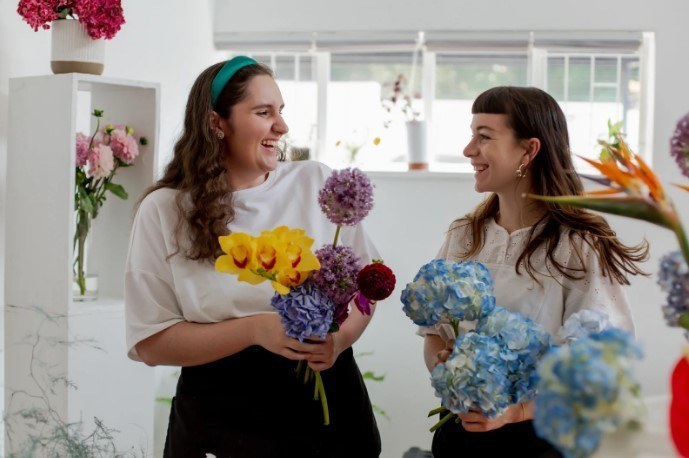
The key is knowing what you’re working with. These flowers require a little more attention than a bunch of sunflowers or carnations, but the payoff is worth the five extra minutes every other day. Master the hot water trick, keep them cool and hydrated, and you’ll reliably get 7 to 10 days of gorgeous blooms from a bouquet that might have wilted by day two without that knowledge.
Whether you’re buying for a dinner party, freshening up a living room, or treating yourself because it’s a Thursday and flowers make Thursdays better — hydrangeas are a smart, rewarding choice. Now you have everything you need to keep them at their best.