Contents:
- What Is Vertical Cut Flower Gardening?
- Why Go Vertical With Cut Flowers?
- Best Flowers for Vertical Cut Flower Gardens
- How to Build a Vertical Cut Flower Garden
- Choose the Right Structure
- Potting Mix & Drainage
- Planting & Spacing
- Sunlight
- Supporting Upright Growth: Techniques & Tools
- Trellising: The Backbone of Vertical Blooms
- Stacking Planters: More Than Just Lettuce Towers
- Hanging Baskets & Living Walls
- Maintaining a Vertical Cut Flower Garden
- Regular Deadheading and Harvesting
- Feeding & Watering (The Vertical Way)
- Dealing With Pests and Disease
- Harvesting Flowers: Vertical vs. Traditional
- Designing for Beauty and Utility
- Where to Buy Vertical Flower Gardening Supplies (2026 Update)
- FAQ: Vertical Cut Flower Gardening
- What flowers grow best in a vertical garden for cutting?
- How much sunlight does a vertical cut flower garden need?
- Can I grow cut flowers vertically indoors?
- What’s the biggest challenge in vertical cut flower gardening?
- Are vertical flower planters expensive in 2026?
Vertical Cut Flower Gardening: Blooms That Reach New Heights
All across America, urban flower lovers are growing dahlias in alleys, snapdragons on porches, and zinnias up the side of old garages. Flower farming is no longer limited to sprawling rural acres. Vertical cut flower gardening–where blooms are cultivated upward, not outward–lets you transform even the tightest spots into productive, joyful cutting gardens.
What Is Vertical Cut Flower Gardening?
Vertical cut flower gardening is the method of growing flowers for harvesting (cutting) using vertical space–such as walls, fences, trellises, towers, or specialized planters–rather than traditional garden beds. This approach is popular in small urban backyards, balconies, or spaces where horizontal room is limited.
Quick Answer:
Vertical cut flower gardening refers to growing flowers for cutting and arranging, using upright supports or structures so plants grow upward, maximizing flower yield in minimal ground space. Techniques include trellising, stacking planters, hanging baskets, or using living wall systems–all designed to give you more stems per square foot.
Why Go Vertical With Cut Flowers?
Most American neighborhoods aren’t bursting with roomy gardens. According to the Census Bureau’s 2026 Housing Survey, 62% of U.S. households now have less than 400 sq. ft. of outdoor space. But vertical gardening isn’t just about saving space:
- More flowers, less ground: Even a 2-by-6-foot fence can hold as many stems as a traditional 8-by-8 flower bed.
- Easy harvesting: Upright gardens keep blooms at eye level–no more stooping in the mud.
- Pest and disease reduction: Better airflow means less powdery mildew or botrytis (a chronic problem for zinnias and cosmos in humid states).
- Design flexibility: Moveable vertical systems let you rotate, swap, or change your entire display with the seasons.
“Vertical gardening isn’t just practical–it’s an art form that turns any blank wall into a living bouquet,” says Eliza Sloane, Lead Floral Designer at Bloom City Farms, Chicago.
Best Flowers for Vertical Cut Flower Gardens
Not every flower is a climber or loves being stacked. These species thrive in vertical setups, producing abundant, long stems perfect for bouquets:
| Flower | Structure Needed | Notes |
|---|---|---|
| Sweet Peas | Tall trellis | Early-spring favorite, fragrant |
| Clematis | Wall/fence wire | Spectacular, easy to train |
| Climbing Roses | Sturdy arch/trellis | Huge flush in June, rebloom with care |
| Snapdragons | Stacked planters | Upright, dozens of stems |
| Zinnias | Vertical garden tower | Compact, cut-and-come-again |
| Nasturtiums | Hanging basket | Edible, bright blooms |
| Morning Glory | Netting/fence | Prolific, summer-long color |
| Black-eyed Susan Vine | Trellis or obelisk | Fast-growing, heat tolerant |
Pro Tip:
Look for varieties labeled “long stem” or “cut flower” in catalogs. Many breeders, like Johnny’s Selected Seeds or Floret Flower, now rate flowers by stem length and vase life.
How to Build a Vertical Cut Flower Garden
Choose the Right Structure
Vertical systems run from basic to high-tech. For most U.S. home gardeners, here’s what works:
- Wall-mounted planter pockets: Fabric or plastic pockets for shallow-rooted annuals like pansies or violas.
- Trellises and netting: Perfect for sweet peas, sunflowers, and climbing nasturtiums.
- Stackable container towers: Brands like GreenStalk ($159 for a 5-tier unit in 2026) let you plant dozens of zinnia or snapdragon seedlings in a single square foot.
- DIY pallet gardens: Recycled wood pallets lined and stuffed with potting soil–cheap and effective for trailing annuals.
“A four-foot-wide vertical trellis against a fence can yield as many cut flowers as two standard 4×8 raised beds,” notes Dr. Marcela Ruiz, Professor of Urban Horticulture at Oregon State University.
Potting Mix & Drainage
Vertical systems dry out fast. Use a high-quality, lightweight potting mix (not straight garden soil). Amend with slow-release flower fertilizer–Espoma Flower-tone or Dr. Earth’s annual flower mix are both good options.
- Tip: Mix in 10% perlite or coconut coir to keep soil airy.
- Watering: Drip irrigation or self-watering inserts can save hours in hot U.S. cities.
Planting & Spacing
Crowding kills flower production. Even vertically, follow spacing guidelines–usually 4-8 inches between seedlings. Train stems as they grow; use soft ties or garden clips.
Sunlight
Most cut flowers need 6+ hours of direct sunlight. South- or west-facing walls are best. Some shade is fine for begonias or fuchsias, but you’ll get fewer stems.
Supporting Upright Growth: Techniques & Tools
Trellising: The Backbone of Vertical Blooms
For vining and climbing species like sweet peas or morning glory, a classic 6-foot trellis or wire mesh is ideal. Secure at both ends for wind stability. For bushier plants–like snapdragons–horizontal mesh (Netafim flower netting is a favorite of U.S. flower farmers) supports tall, straight stems.
Stacking Planters: More Than Just Lettuce Towers
The U.S. market is flush with stackable planters–like Mr. Stacky (Florida-based, $49 per 5-tier kit) and the aforementioned GreenStalk. These work brilliantly for pansies, violas, nasturtiums, and even mini-dahlias.
Hanging Baskets & Living Walls
Modular living wall systems (Woolly Pocket, $39 per kit) let you create a tapestry of color. Place fragrant or trailing varieties at the top so blooms drape gracefully.
Maintaining a Vertical Cut Flower Garden
Regular Deadheading and Harvesting
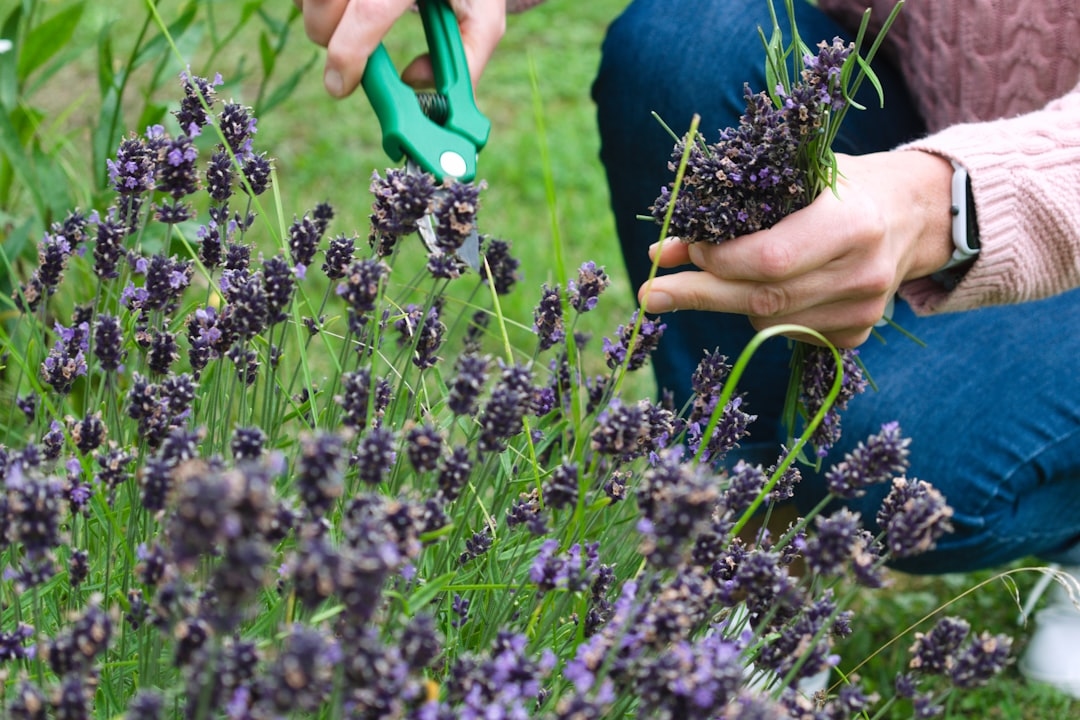
Vertical gardens truly reward frequent picking–more cuts mean more blooms. Harvest in the cool morning, using sharp snips. Remove spent flowers at least weekly to keep plants producing.
Feeding & Watering (The Vertical Way)
Since vertical systems dry out 2-3 times faster than ground beds, stick to consistent watering. Automated drip kits like Raindrip ($21 starter kit) are a game-changer. Fertilize monthly during peak bloom–liquid kelp or an all-purpose flower booster.
Dealing With Pests and Disease
Airflow is your best ally in a vertical system. Still, watch for aphids (especially on nasturtiums and sweet peas). Spray with insecticidal soap or release ladybugs–available from arbico-organics.com (ships throughout the U.S.).
For fungal issues, proper spacing and a copper fungicide spray work wonders.
“Powdery mildew can devastate vertical zinnias in humid states. Space wisely, and don’t let foliage stay wet overnight,” advises Iris Kim, owner of Sugarloaf Flower Studio, Atlanta.
Harvesting Flowers: Vertical vs. Traditional
Here’s a quick comparison:
| Factor | Vertical Garden | Traditional Bed |
|---|---|---|
| Space Required | 3-8 sq. ft. | 16-64 sq. ft. |
| Stems per Square Foot | 8-24 | 3-8 |
| Ease of Access | High (eye-level) | Varies (bending/kneeling) |
| Initial Setup Cost | $75-$300 | $50-$150 (raised bed) |
| Maintenance Time | 1-2 hrs/week | 2-3 hrs/week |
“You can grow a florist’s bouquet on a single fence panel,” remarks Naomi DeLuca, winner of the 2026 Urban Blooms Award in Philadelphia.
Designing for Beauty and Utility
Vertical gardens aren’t just practical–they make the perfect photo backdrop or privacy screen. Combine showy climbers like clematis with trailing nasturtiums for color at every height. For a cutting patch that’s also camera-ready, stick to a simple palette: blues, purples, and whites, or go all-American with red, white, and blue annuals.
Small-Space Combo Ideas:
- Patriotic Fence: Red ‘Benary’s Giant’ zinnia, white sweet pea, blue morning glory.
- Boho Balcony: Apricot climbing rose, purple trailing verbena, coral snapdragons.
- Edible+Ornamental Wall: Nasturtium, strawberry, calendula, chives.
Where to Buy Vertical Flower Gardening Supplies (2026 Update)
U.S. gardeners have more options than ever in 2026:
- Amazon.com: GreenStalk, Mr. Stacky, Dr. Earth, Espoma, Netafim mesh.
- Local garden centers: Many now stock living wall systems and specialty annuals.
- Johnny’s Selected Seeds: Top-rated for long-stem flower seeds.
- Floret Flowers (Washington State): Exclusive vertical-friendly varieties, ship nationwide.
- The Sill: Designer living wall kits, often runs summer discounts.
Average setup cost for a small vertical cut flower garden in 2026: $120-$280, including planters, trellis, soil, and starter packs of seeds/plants.
FAQ: Vertical Cut Flower Gardening
What flowers grow best in a vertical garden for cutting?
Top choices include sweet peas, snapdragons, climbing roses, clematis, nasturtiums, and zinnias. Look for varieties advertised as “long-stem” or “suitable for cutting” from U.S. seed companies.
How much sunlight does a vertical cut flower garden need?
Most cut flowers require at least 6 hours of direct sun daily. Place your vertical garden on a south- or west-facing wall or fence for best results.
Can I grow cut flowers vertically indoors?
Yes–compact varieties like mini zinnias, violas, and nasturtiums can be grown in vertical wall planters near a bright window or under grow lights. However, outdoor sun yields bigger blooms and longer stems.
What’s the biggest challenge in vertical cut flower gardening?
Keeping up with watering and feeding is crucial. Vertical systems dry out faster than ground beds, especially during summer. Consider drip irrigation or self-watering inserts.
Are vertical flower planters expensive in 2026?
Entry-level vertical planters start around $49-$79. Modular or designer systems can exceed $200-$300. DIY options (like pallet gardens) cost as little as $20 plus soil.
Ready to turn that empty fence or patio wall into a fountain of fresh flowers? Just choose two or three cut flower favorites, invest in a sturdy vertical planter, and enjoy armfuls of blooms all summer long. This year, let your garden reach for the sky–and your vase will never be empty.