Contents:
- What Are Ranunculus? (Quick Facts)
- Ranunculus Aren’t Actually Buttercups
- The Pronunciation Is Simpler Than You Think
- They’ve Got a Supermodel Shelf Life
- How to Stretch Their Vase Life
- They’re Grown on American Flower “Superfarms”
- Ranunculus Mean “Radiant Charm”
- Each Color Has Its Own Personality
- Ranunculus Are Technically Toxic
- They’re a Dream for DIY Weddings
- Why They’re Easy for Amateurs
- Ranunculus Are Now Trending on Social Media
- FAQ: Ranunculus, Answered
- What’s the best time to buy ranunculus in the US?
- How long do cut ranunculus last in a vase?
- Are ranunculus flowers safe for pets?
- Can you grow ranunculus at home in America?
- What’s the typical price for ranunculus bouquets in 2026?
9 Facts You Didn’t Know About Ranunculus
Walk into a Seattle flower shop in late March, and you’ll likely catch someone marveling at those ruffled, watercolor blooms sitting pretty next to the tulips. Ranunculus–sometimes called “buttercups” (though real botanists will raise an eyebrow)–are adored by floral designers and wedding planners from New York to Los Angeles. Still, most Americans can’t pronounce the name or explain why these flowers have skyrocketed in popularity across the country.
Here are nine surprising, expert-backed facts about ranunculus–guaranteed to make you look like the plant whisperer at your next brunch.
What Are Ranunculus? (Quick Facts)
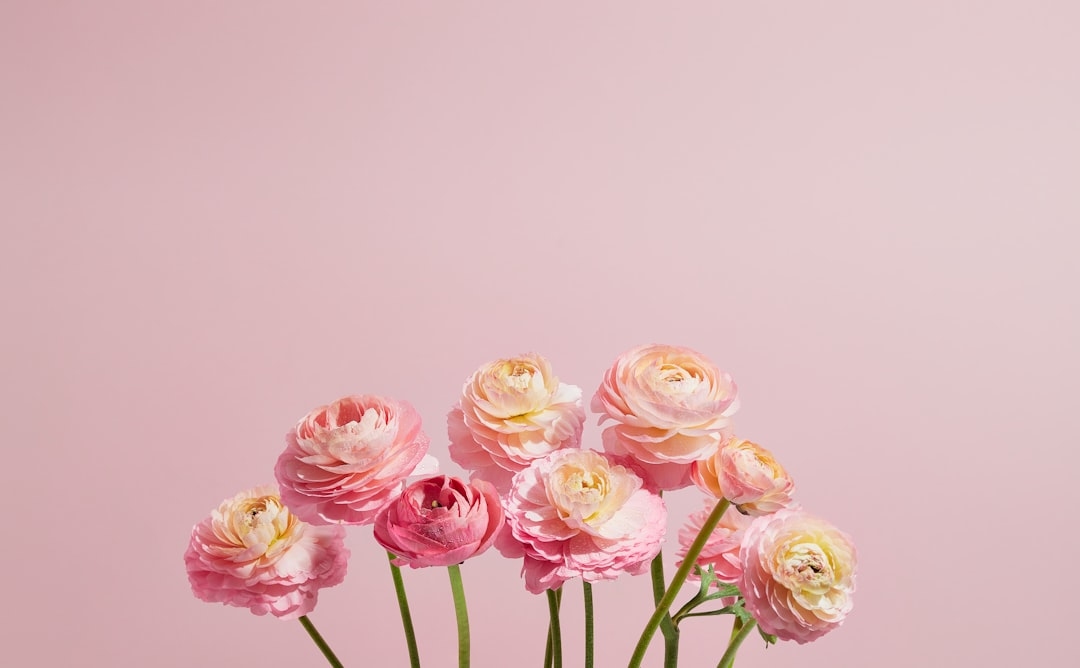
Ranunculus are spring-blooming perennials known for their layers of delicate, tissue-thin petals and a remarkable vase life that rivals roses and peonies. Native to Asia and the Mediterranean, they’ve become a staple in US floral design, particularly from January to June. Available in nearly every color except true blue, ranunculus are prized for weddings and everyday arrangements.
Average US market price per stem in 2026: $2.50-$4.00 at premium florists like BloomNation and UrbanStems.
1. Ranunculus Aren’t Actually Buttercups
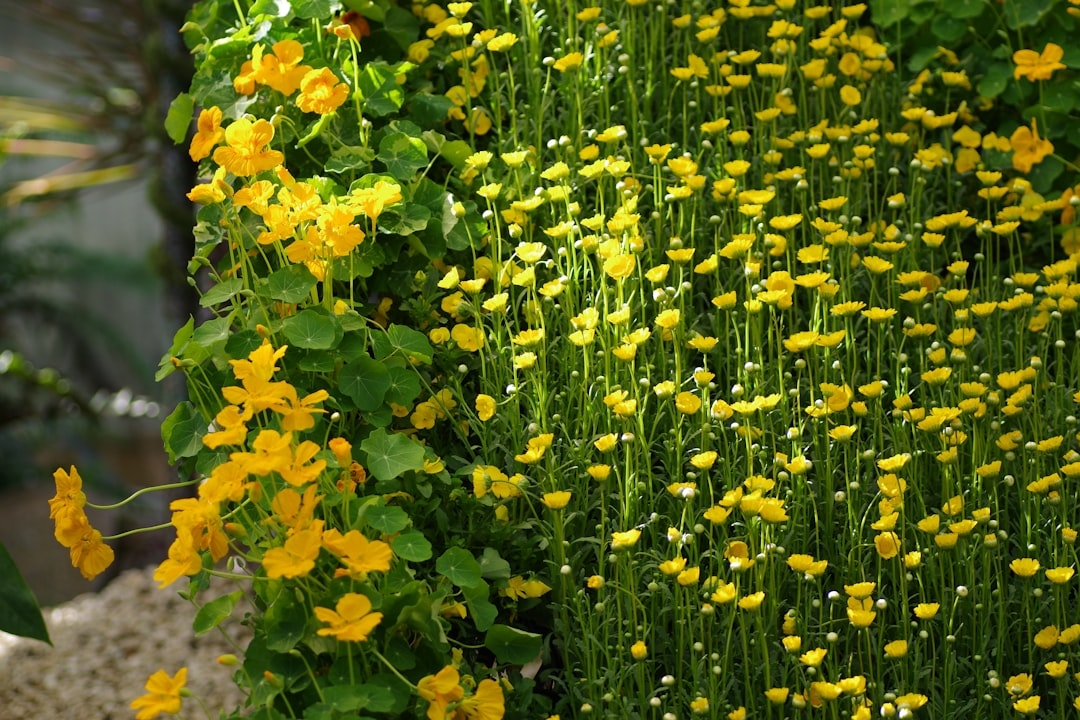
Walk through the wild in states like Oregon or Pennsylvania and you might spot cheerful yellow flowers called “buttercups.” But those aren’t the same ranunculus you’ll find in today’s bridal bouquets.
Key difference:
- Wild “buttercups” (Ranunculus acris): Thin, basic petals. Found in meadows and lawns.
- Florist ranunculus (Ranunculus asiaticus): Bred for fat, layered blooms. Grown on farms or in greenhouses.
“I’ve had clients request ‘buttercups’ for weddings, not realizing the lush, romantic look comes from the cultivated ranunculus, not the little wildflowers,” says Daisy Arnold, lead designer at Brooklyn’s Petal & Pine (est. 2010).
2. The Pronunciation Is Simpler Than You Think
Ranunculus trips up even seasoned plant lovers. In American English, it’s:
ruh-NUN-kyoo-lus (not “ran-UN-kyool-us”).
A fun memory trick: Say “run-UN-culus,” as if you’re running to the “un-culus” (whatever that is!). And for the trivia buffs: the Latin root “rana” means frog–early botanists named the group because many wild species thrive near wetlands.
3. They’ve Got a Supermodel Shelf Life
Peonies wilt in days. Garden roses droop by the weekend. But ranunculus? Handled properly, they’ll last a full 10-14 days in a vase, which is near the top of the cut flower class.
How to Stretch Their Vase Life
- Re-cut stems on arrival (at a sharp angle under water).
- Replace water every other day.
- Keep cool–avoid direct sun or heat.
According to Kristopher Leigh, floral scientist at California’s Petal Research Institute, “Ranunculus in the US–especially those from Carlsbad, CA–can outlast most cut flowers. Their unique stem structure slows bacterial growth.”
4. They’re Grown on American Flower “Superfarms”
While many ranunculus are imported from Italy or Holland, US-grown blooms lead the way each spring.
Top US Ranunculus Farms (2026):
| Farm Name | State | Acres Planted | Season Peak | Consumer Access |
|---|---|---|---|---|
| The Flower Fields | California | 55 | March-May | Tours & local shops |
| Sweet Root Farm | Virginia | 6 | April-June | Farmer’s markets |
| Floret Flower Farm | Washington | 3 | April-May | Subscription/Online |
Unlike Dutch tulips, which are flown in chilled, American ranunculus often go from field to florist within 48 hours–locking in their signature freshness.
5. Ranunculus Mean “Radiant Charm”
In the Victorian “language of flowers,” each bloom carried secret significance. Ranunculus, with their endless petals, symbolized being “dazzled by your charms.” Still a favorite for modern bouquets, they’re picked for:
- Engagements and weddings (“you’re radiant”)
- Thank-you gifts
- Mother’s Day (a top seller at UrbanStems since 2020)
“I always recommend ranunculus for anyone wanting to make a statement without going over the top,” says Jordan Fischer, head florist at Dallas-based Fleurish. “They read as joyful and romantic–but not stuffy.”
6. Each Color Has Its Own Personality
Forget all-white arrangements: ranunculus come in a full spectrum, and US florists are experimenting more each year.
Popular Colors & Their Vibe in 2026:
- Blush pink: Soft, romantic (weddings)
- Fire orange: Bold, energetic (modern homes)
- Deep burgundy: Moody, dramatic (editorial shoots)
- Lemon yellow: Fresh, playful (spring parties)
- Pure white: Classic, clean (corporate events)
Pull-quote:
“No other cut flower offers this mix of color saturation and elegance at such a fair price point.”
–Emily Hancock, owner, Hancock Floral Supply (Houston, TX)
7. Ranunculus Are Technically Toxic
Admire freely–don’t eat or handle with bare hands for long periods. All parts of the ranunculus contain protoanemonin, an irritant.
What this means for you:
- Safe in bouquets and vases.
- Keep away from pets and children who might nibble.
- Wear gloves if you garden with them for extended time.
The American Society for the Prevention of Cruelty to Animals (ASPCA) lists ranunculus as mildly toxic to cats, dogs, and horses.
8. They’re a Dream for DIY Weddings
Ranunculus are surprisingly forgiving for home designers or ambitious DIY brides.
Why They’re Easy for Amateurs
- Strong, wiry stems support heavy blooms.
- Long-lasting–arrangements can be made in advance.
- Mix well with peonies, anemones, and eucalyptus.
- Cost per stem is lower than most specialty roses or peonies in 2026.
Example: The average DIY bridal bouquet cost using ranunculus is around $55-$85 (vs. $120+ for peony-only designs, per Florists’ Review 2025 report).
9. Ranunculus Are Now Trending on Social Media
Check Instagram or Pinterest: #ranunculus has exploded since 2024, with over 2.8 million posts as of spring 2026.
Why?
- Their layers photograph beautifully.
- Influencers love their “fluffy” look.
- Sustainable US flower farms have made them more widely available.
TikTok creators like @RootsAndPetals and @CityBouquet have shown creative arranging tips that went viral, spurring a new generation of flower fans.
FAQ: Ranunculus, Answered
What’s the best time to buy ranunculus in the US?
Peak season in the US runs from January to June, with the best selection in March and April from California and Washington growers.
How long do cut ranunculus last in a vase?
With proper care (fresh water, stem trimming), cut ranunculus last 10 to 14 days–longer than peonies and on par with top-grade roses.
Are ranunculus flowers safe for pets?
No. Ranunculus are mildly toxic to cats and dogs if ingested, so keep arrangements out of their reach.
Can you grow ranunculus at home in America?
Yes! Corms are sold at garden centers like The Home Depot and online at Eden Brothers. In USDA zones 7-10, plant in fall for spring blooms.
What’s the typical price for ranunculus bouquets in 2026?
Expect to pay $45-$80 for a small-to-medium ranunculus bouquet at a premium US florist, or $2.50-$4 per stem at local markets.
For flower lovers eager to try something new this spring, order a bunch of locally grown ranunculus. Arrange them for your kitchen table, or surprise a friend who needs a pick-me-up–their vibrant, sculpted petals are practically guaranteed to spark joy. And if you’re feeling adventurous, try growing your own next fall. With more US farms investing in specialty varieties every year, ranunculus are only going to get better (and more beautiful) from here.