Contents:
- Quick Answer: Are Dried Flowers More Sustainable Than Fresh Flowers?
- How Fresh Flowers Impact the Environment
- The Journey of a Bouquet
- The Sustainability Profile of Dried Flowers
- The Upsides
- Potential Downsides
- Fresh vs Dried Flowers: Sustainability Comparison Table
- The American Florist’s View: Local, Seasonal, and Sustainable
- Local Dried Flowers
- “Everlasting” Arrangements: A Growing Trend
- Sustainability Nuances: Not All Dried Flowers Are Equally Green
- Chemical Preservation vs. Air Drying
- Imported Dried Flowers
- Ways to Make Your Flower Habit Greener
- Tips from Eco-Conscious Florists
- Pull-Quote
- FAQ: Dried vs Fresh Flowers Sustainability
- Are dried flowers always more eco-friendly than fresh?
- Can I compost dried flowers?
- How can I tell if dried flowers are sustainable?
- Do dried flowers last forever?
- How expensive are dried bouquets compared to fresh?
- Want Greener Flowers in 2026? Choose Wisely
Are Dried Flowers More Sustainable Than Fresh?
A fresh bouquet can light up a room, but the story behind those blooms is less romantic than you might think. In 2024, American florists imported more than $2.1 billion worth of cut flowers–most of them flown thousands of miles, cooled by energy-hungry refrigeration, and discarded within ten days. Meanwhile, dried flowers have quietly bloomed into a $142 million US market (IBISWorld, 2026), promising arrangements that last for months, not weeks. Are dried flowers truly more sustainable than fresh ones, or is this just clever eco-marketing? Let’s dig in.
Quick Answer: Are Dried Flowers More Sustainable Than Fresh Flowers?
Yes–dried flowers are generally more sustainable than fresh flowers for most uses in the US.
Here’s why:
- Long-lasting: Dried arrangements can last a year or more; fresh flowers typically last only 7-14 days.
- Lower carbon footprint: Less need for refrigeration, water, and rapid cross-country shipping.
- Less waste: Fewer bouquets tossed in the trash.
- Minimal chemicals: When air-dried or naturally preserved, they require fewer pesticides and preservatives.
However, not all dried flowers are created equal. Imported, chemically preserved, or dyed dried flowers can still have a notable environmental impact.
How Fresh Flowers Impact the Environment
Most fresh flowers don’t come from your local farm. In 2026, over 70% of fresh cut flowers sold in the US were imported, mainly from Colombia and Ecuador (USDA Floriculture Crops).
The Journey of a Bouquet
- Air Freight: Flowers are flown into major hubs like Miami–each bouquet racking up air miles and carbon emissions. Shipping one ton of flowers from Bogotá to Miami via cargo jet emits about 1.5 metric tons of CO2, according to a 2024 study by Dr. Rachel Jennings, Environmental Horticulture Specialist, UC Davis.
- Cold Chain: Flowers need to be chilled from field to florist, requiring constant refrigeration.
- Water Use: Flower farms use hundreds of gallons of water per acre, rivaling thirsty crops like almonds.
- Pesticides & Chemicals: To pass US customs, many flowers are treated with chemicals to kill pests–a process that exposes workers to toxins and contributes to pollution.
- Short Shelf Life: Most fresh bouquets last 7-10 days, after which they’re landfill-bound.
“Every rose from the supermarket costs us twice–first in carbon costs, then in waste.”–Jessie Kim, Lead Florist, Petal Theory (Portland, OR)
The Sustainability Profile of Dried Flowers
Dried flowers are not just a vintage trend for rustic weddings. Their environmental profile depends on how and where they’re grown, processed, and shipped.
The Upsides
- Longevity: A dried bouquet can keep for 6-18 months with minimal care.
- No Cold Chain: No need for refrigeration during shipping or storage.
- Less Water Use: Once harvested, no more water is needed.
- Biodegradable: Most dried flowers can be composted at end-of-life, unlike plastic faux flowers.
Potential Downsides
- Dye & Chemical Use: Some dried flowers are bleached, dyed, or preserved using chemical treatments (glycerin, silica gel, etc).
- Imports: Some dried stems are still imported from China or India, adding transport emissions.
- Monocultures: Large-scale farms sometimes raise single species for drying, reducing biodiversity.
Fresh vs Dried Flowers: Sustainability Comparison Table
| Factor | Fresh Flowers | Dried Flowers |
|---|---|---|
| Lifespan | 7-14 days | 6-18 months |
| Water Use Post-Harvest | High | None |
| Refrigeration Needed | Yes | Rarely |
| Typical Source | 70% imported | 60% US-grown, 40% imported |
| Chemicals (Pesticides) | Often | Rare/minimal (varies) |
| Shelf Waste | High | Low |
| Compostability | Yes | Yes |
| Cost (US avg, 2026) | $45 per bouquet | $54 per bouquet |
Note: Dried bouquets often cost slightly more upfront but last many times longer.
The American Florist’s View: Local, Seasonal, and Sustainable
Ask any US florist in 2026 about sustainability, and the conversation moves fast from “fresh vs dried” to “local vs imported.”
Local Dried Flowers
Small growers like Tiny Hearts Farm in New York or Floret Flowers in Washington now offer 100% domestically-grown, naturally dried bouquets. No air miles, no cold chain, minimal packaging.
- Example: Tiny Hearts Farm’s “Harvest Dried Mix” ($49) features statice, strawflower, and yarrow grown organically within 100 miles of their shop.
- Waste-Free Packaging: Many indie florists now ship dried bouquets in recycled cardboard, skipping cellophane or foam.
“Everlasting” Arrangements: A Growing Trend
In 2026, dried and “everlasting” arrangements make up 26% of Etsy’s floral sales–up from 11% in 2022. “Customers want flowers that last longer than a Zoom call,” notes Sarah Leland, co-founder of Dried & Wild LA, which ships all-natural bouquets across the US.
Sustainability Nuances: Not All Dried Flowers Are Equally Green
Chemical Preservation vs. Air Drying
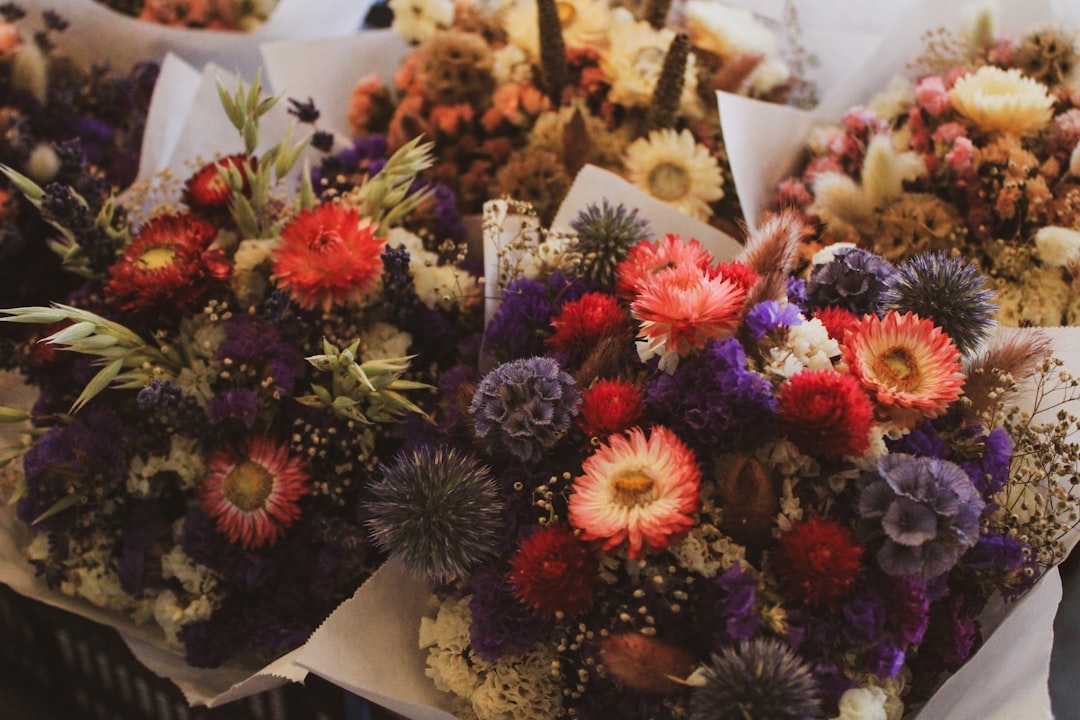
- Glycerin-Preserved: Some “soft touch” dried flowers are preserved in glycerin and dye baths–technically longer-lasting, but less biodegradable.
- Natural Air Drying: Flowers simply hung and dried (e.g., lavender, statice, globe amaranth) have minimal footprint and are compostable.
Imported Dried Flowers
- China is the top exporter of dried flowers globally, accounting for 37% of US imports in 2026 (U.S. Census Bureau).
- Freight emissions are lower than for fresh flowers, since dried stems weigh less and don’t need refrigeration, but still substantial for overseas shipments.
“Dried flowers can be as eco-friendly as you want them to be. Ask where–and how–they’re grown and dried.”–Lucy Tran, Sustainable Florist, Greenhouse Blooms (Chicago, IL)
Ways to Make Your Flower Habit Greener
You don’t have to swear off fresh blooms completely. Small shifts add up, especially if you’re buying regularly for events, gifts, or home decor.
Tips from Eco-Conscious Florists
- Favor US-grown flowers: Both fresh and dried; seek out labels like “Certified American Grown” or shop local farmer’s markets.
- Ask about methods: Was your dried bouquet naturally air-dried or preserved with chemicals?
- Reuse & Repurpose: Fresh bouquets can be dried at home–hang upside down in a dark, dry spot.
- Compost the leftovers: Both fresh petals and truly natural dried flowers can go to compost rather than landfill.
- Go floral-lite at big events: Consider dried installations that can be reused, swapped, or donated.
Pull-Quote
“In my shop, a fresh peony bouquet lasts a week. A dried strawflower arrangement lasts all year. If you’re looking at long-term impact, dried always wins.”
– Marissa Jones, Owner, Blue Sage Florals, Denver
FAQ: Dried vs Fresh Flowers Sustainability
Are dried flowers always more eco-friendly than fresh?
Not always. While locally dried, air-dried flowers are typically more sustainable, imported or chemically treated dried flowers can have a higher carbon or chemical footprint than locally grown fresh blooms.
Can I compost dried flowers?
Yes, if they’ve been naturally air-dried and not heavily dyed or preserved with synthetic chemicals. Glycerin-preserved flowers may break down less readily.
How can I tell if dried flowers are sustainable?
Ask your florist about the growing and drying process, country of origin, and any chemicals used. Favor US-grown, naturally air-dried bouquets with minimal packaging.
Do dried flowers last forever?
No–they’re called “everlasting” but most dried bouquets look their best for 6-18 months, depending on flower type and conditions.
How expensive are dried bouquets compared to fresh?
On average in the US (2026), dried bouquets cost $45-$70, which is about 15-25% more than a similar fresh bouquet. The higher upfront cost is offset by much longer lifespan.
Want Greener Flowers in 2026? Choose Wisely
The next time you crave a bouquet–whether for a friend or your own table–think about the journey those flowers took. Dried flowers, when chosen thoughtfully, offer a beautiful, low-impact way to bring nature indoors for the long haul. Ask questions. Support local growers. And try saving your next bouquet by hanging it to dry. Each small decision helps American floristry blossom a little greener.