Contents:
- Quick Answers: What Are Calla Lilies? (And 13 Surprising Facts)
- The Truth About Calla Lilies: Flower Basics Most People Miss
- Not True Lilies: The Great Floral Mislabel
- Color Beyond White
- Toxic Beauty
- Symbolism: Life, Death, and Everything In Between
- Hardy–But Not Everywhere in the US
- How to Grow Calla Lilies In the US
- Cut Flower Power: Vase Life and Care
- Artistic Inspiration
- Calla Lilies in the Floral Industry: Value and Trends
- Pricing
- Trends
- From Rhizome to Flower: A Growing Mystery
- Year-Round Blooms: Forced Indoors
- The Drama of Black Calla Lilies
- Botanically Rare, Commercially Ubiquitous
- Auction Power: The High-Value Stem
- FAQ: All About Calla Lilies (Featured Snippet Style)
- What is special about calla lilies?
- Are calla lilies poisonous to pets?
- How long do cut calla lilies last?
- Can I grow calla lilies indoors in the US?
- What do calla lilies symbolize in American culture?
13 Facts You Didn’t Know About Calla Lilies
A bride clutching a bouquet of pristine white calla lilies. An Instagram flat lay with a single perfect stem and a gold ring. The calla lily pops up everywhere, alluring and mysterious. Yet most people don’t realize just how wild its story is, or how many misconceptions swirl around its trumpet-shaped bloom. If you think a calla lily is just a pretty face, think again.
Quick Answers: What Are Calla Lilies? (And 13 Surprising Facts)
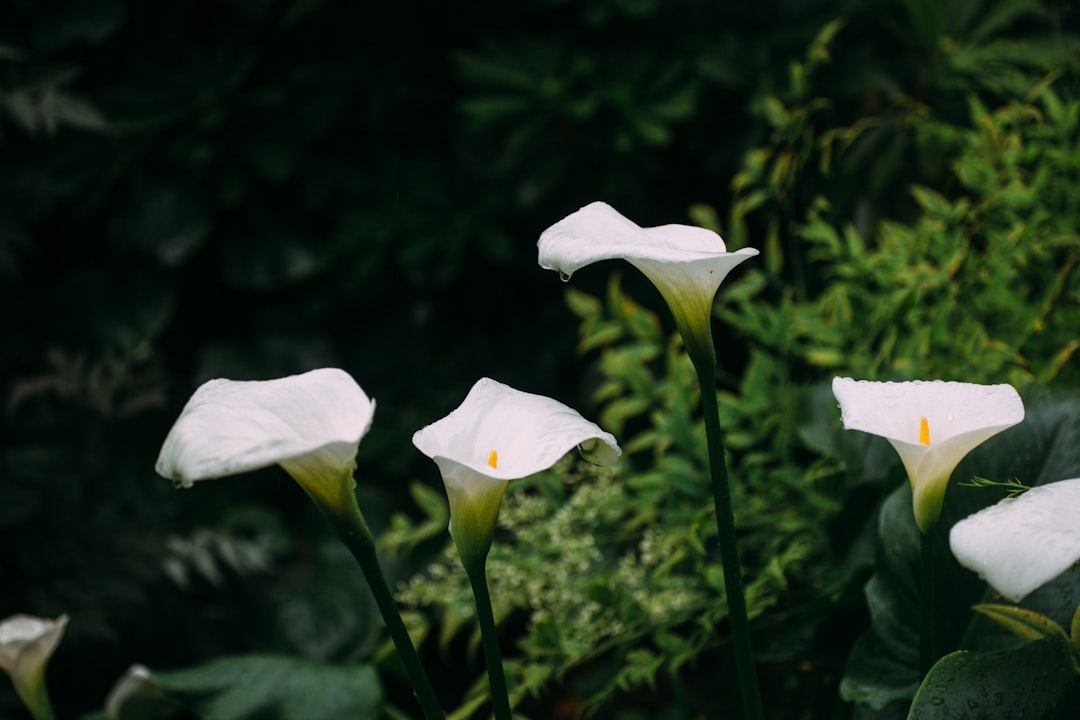
Calla lilies are elegant, trumpet-shaped flowers popular in bouquets and garden beds across the United States. While often associated with weddings and funerals, these striking blooms aren’t true lilies at all. Here are 13 facts that might surprise you about calla lilies:
- Not actually lilies–calla lilies belong to the Araceae family.
- Native to southern Africa, not Europe or South America.
- Symbolize purity, rebirth, and elegance in various cultures.
- Toxic to pets and humans if ingested.
- Come in colors far beyond classic white–including black, purple, orange, and even picotee varieties.
- Used in high-end floral designs by luxury brands like Venus ET Fleur and UrbanStems.
- Grow from rhizomes, not true bulbs.
- Can bloom indoors with proper care–ideal for US apartment dwellers.
- Hardy in USDA zones 8-10–can be perennial in southern California, Texas, and Florida.
- Featured in Diego Rivera paintings and 2025’s top wedding décor trends per The Knot.
- Associated with both marriage and mortality in American symbolism.
- Each stem can last up to two weeks in water.
- Subject of record-breaking floral auctions, fetching up to $8 per stem at New York’s Dutch Flower Line in 2026.
The Truth About Calla Lilies: Flower Basics Most People Miss
Most people, even lifelong plant lovers, are surprised to find out that calla lilies aren’t actually lilies. Their Latin name is Zantedeschia, and they are cousins to caladiums and peace lilies in the Araceae (arum) family.
“What really sets callas apart is their simple, sculptural form–they’re minimalism in flower form,” explains Jessica Morgan, AIFD-certified florist at Brooklyn Blooms.
They’re native to swampy regions of South Africa–think: windswept fields and riverbanks around the Cape. In the late 19th century, horticulturists imported them to Europe, then North America, where they flourished as cut flowers and eventually became a staple for US floral designers, especially in big city shops from New York to San Francisco.
1. Not True Lilies: The Great Floral Mislabel
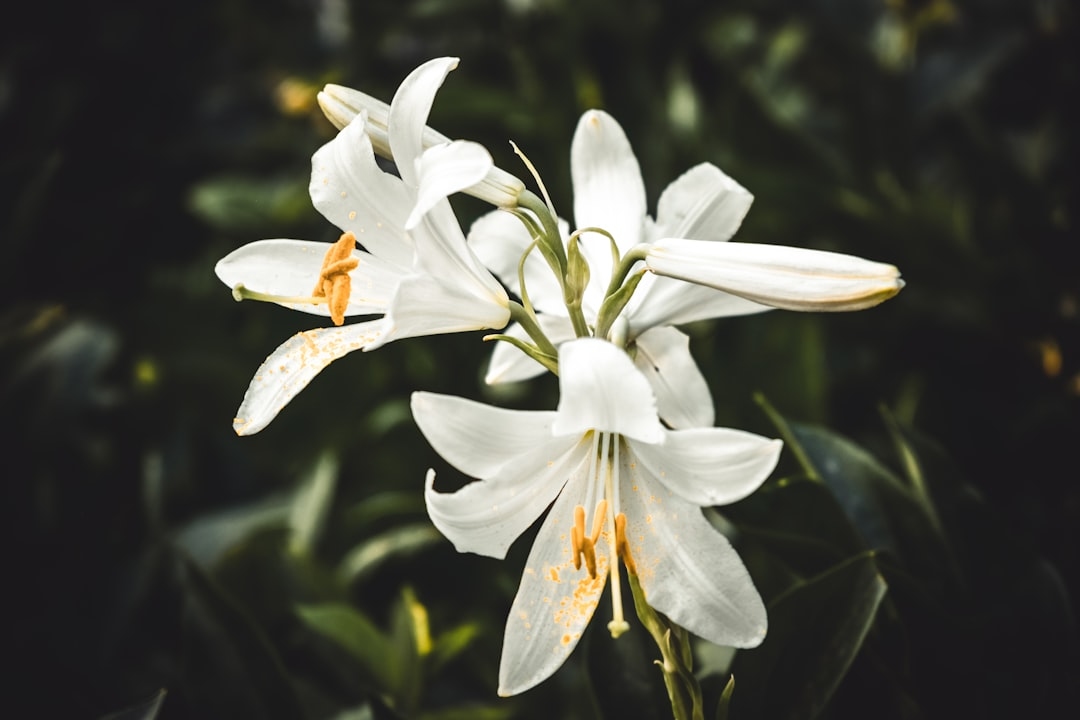
Despite the name, a calla lily isn’t technically a lily at all. The true lilies (Lilium spp., Liliaceae family) look very different, with six separate, often backward-curving petals and a distinctive fragrance.
| Feature | Calla Lily (Zantedeschia) | True Lily (Lilium) |
|---|---|---|
| Family | Araceae | Liliaceae |
| Grows from | Rhizome | Bulb |
| Flower structure | Single spadix and spathe | Multiple petals |
| Scent | Faint, if any | Often fragrant |
| Common in US gardens? | Yes | Yes |
Florists love using callas because of their clean, modern lines–UrbanStems’ 2026 “Chic Modernist” bouquet ships over 1000 calla stems per week nationwide, especially in LA and NYC.
2. Color Beyond White
White is timeless, but calla lilies come in dramatic purples, pinks, yellows, and even near-black. In 2026, demand has surged for sunset tones (orange, coral, gold) driven by TikTok wedding trends and Pantone’s 2026 Color of the Year, Persimmon Glow.
- ‘Black Star’ callas are almost midnight purple
- ‘Flame’ callas feature gold bases with fiery red tips
- ‘Picasso’ callas have white exteriors with a purple throat
“There’s nothing like a deep purple calla for a moody, sophisticated arrangement,” says Marco Lopez, floral designer at San Francisco’s Farmgirl Flowers.
3. Toxic Beauty
Calla lilies look good enough to eat, but don’t try it. All parts of the plant contain calcium oxalate crystals, which can cause burning, vomiting, and swelling if ingested by humans, dogs, or cats. According to ASPCA data from 2026, calla lily ingestion is in the top 10 most frequently reported plant toxicities in US pets, right behind sago palm and oleander.
- Pet-safe tip: Keep arrangements high and out of reach if you have curious pets or young kids.
4. Symbolism: Life, Death, and Everything In Between
Calla lilies have a tangled symbolism in American culture. White callas often appear at weddings (purity and new beginnings) and funerals (resurrection and rebirth). During the Harlem Renaissance, artists like Aaron Douglas used the calla as a subtle symbol of dignity in Black American art.
In 2026, calla lilies ranked among the top 5 flowers for weddings, according to The Knot, along with peonies and ranunculus.
“I once had a client request callas for both their wedding and their grandmother’s memorial service,” shares Jessica Morgan. “It’s a full-circle flower.”
5. Hardy–But Not Everywhere in the US
Calla lilies thrive as perennials in warm US regions (USDA zones 8-10). Florists and gardeners in California, the Gulf Coast, and southern Florida can plant them outdoors year-round. Elsewhere, they’re treated as annuals or dug up for winter.
How to Grow Calla Lilies In the US
- Outdoors year-round: Los Angeles, Houston, Miami (zones 8-10)
- Seasonal or potted: New England, Midwest, Pacific Northwest (zone 7 and below)
- Indoor blooming: Bright, filtered light; 60-75°F; water weekly
Pot-grown callas retail for $25-$45 at Home Depot or Lowe’s in spring 2026–a worthwhile investment for a few months of show-stopping blooms.
6. Cut Flower Power: Vase Life and Care
Calla lilies are prized in the US floral industry for their longevity. A single cut stem can last 10-14 days in water with basic care–much longer than most tulips or garden roses.
- Change water every 3 days
- Cut stems at an angle every 3-4 days
- Keep away from direct sun and ripening fruit (which emits ethylene gas and shortens vase life)
Pro tip: Remove leaves below water line to prevent bacterial growth.
Florists in Chicago and New York often choose calla lilies for event installations–according to 2026 sales data from Dutch Flower Line, Manhattan’s wholesale flower market, stems can fetch $6-$8 each during peak wedding season.
7. Artistic Inspiration
From Diego Rivera’s “Flower Carrier” to Georgia O’Keeffe’s “Calla Lily Turned Away,” these blooms have fascinated artists for over a century. In 2026, calla lilies continue to turn up in mural commissions and high-fashion campaigns–Prada’s Resort 2026 line featured silk calla prints and real calla corsages at their NYC show.
US brides are also favoring “sculptural” bouquets–single-color bunches of calla lilies, like those popularized by Meghan Markle’s New York Botanical Garden elopement spread.
8. Calla Lilies in the Floral Industry: Value and Trends
Pricing
- Wholesale: $2.50-$8.00 per stem in 2026 (depending on color and size)
- Retail: $8-$15 per stem at luxury florists (UrbanStems, Bouqs, Farmgirl Flowers)
- Bouquets: Expect to pay $75-$175 for a dozen calla lilies at major US online retailers
Trends
- “Picotee” edges are a 2026 must-have for modern wedding design
- Orange and yellow callas exploded in popularity after appearing in 2025 Emmy red carpet arrangements
According to Lila Sanders, head buyer at UrbanStems, “We saw a 40% year-over-year increase in colored calla lily sales between Mother’s Day 2025 and 2026.”
9. From Rhizome to Flower: A Growing Mystery
Calla lilies spring from starchy underground rhizomes, not true bulbs. This means you can divide and propagate them much like daylilies or irises once the foliage dies back.
| Step | Best Practice for US Growers |
|---|---|
| Planting | Rhizomes 2-3″ deep, 12″ apart |
| Soil | Rich, well-drained; likes moisture |
| Water | Keep consistently moist, not soggy |
| Dormancy | Dig up (zones 7 and colder) after frost; store at 50°F |
10. Year-Round Blooms: Forced Indoors
Live in a Chicago apartment or Boston brownstone? You don’t need a garden to enjoy callas. Forced calla lilies in pots bloom indoors with the right care.
How to force calla lilies indoors in the US:
- Start with dormant rhizomes in February
- Pot in lightweight, well-drained soil; water thoroughly
- Keep in bright, indirect light at 65-70°F
- Expect blooms in 10-12 weeks
11. The Drama of Black Calla Lilies
Few flowers offer the near-black allure of the ‘Black Star’ or ‘Odessa’ calla. These are favorites among event florists for October weddings or “goth glam” soirées. In 2026, “dark florals” continue to trend, as seen in Martha Stewart Weddings and Vogue’s September style issue.
12. Botanically Rare, Commercially Ubiquitous
Wild calla lilies are considered threatened in parts of South Africa, but commercial varieties are widely available in the US thanks to tissue culture propagation. Major wholesalers like Mayesh and Dutch Flower Line offer over a dozen hybrid varieties, making it easy to find your perfect shade–even for last-minute events.
13. Auction Power: The High-Value Stem
At the annual Dutch Flower Line auction in New York, a single stem of premium, oversized calla fetched $8.25 in April 2026, reflecting surging demand for luxury minimalist arrangements in US city markets.
“Calla lilies are the silent stars of the floral world–understated, but in high demand for anyone who knows their flowers,” notes Karen Lo, head buyer at Dutch Flower Line NYC.
FAQ: All About Calla Lilies (Featured Snippet Style)
What is special about calla lilies?
Calla lilies are unique for their sculptural shape, wide color range, and dual symbolism of purity and transformation. Unlike true lilies, they belong to the arum family and are popular in modern US floral design for their long vase life and dramatic presence.
Are calla lilies poisonous to pets?
Yes, calla lilies are toxic to dogs and cats. Ingesting any part of the plant can cause oral irritation, excessive drooling, and vomiting. Keep arrangements out of reach if you have pets.
How long do cut calla lilies last?
With proper care, cut calla lilies can last between 10 and 14 days in a vase. Changing water every few days and keeping stems out of direct sunlight helps prolong their beauty.
Can I grow calla lilies indoors in the US?
Yes, potted calla lilies can be grown indoors across the US. Place the pot in a bright, indirect light location, keep the soil moist, and expect blooms in late spring or early summer.
What do calla lilies symbolize in American culture?
In the United States, calla lilies symbolize both new beginnings (weddings) and eternal life or remembrance (funerals). Their simple elegance makes them a popular choice for events marking major life transitions.
Curious about making calla lilies the showstopper in your next floral arrangement? Swing by your favorite local florist or check US online delivery services like UrbanStems for fresh stems in trending colors. If you’re a gardener, try forcing some indoors this winter–they just might surprise you with their sophisticated, long-lasting beauty. In a world of fleeting trends, calla lilies are a classic that never quite gives up their air of mystery.