Contents:
- What Is Edible Flower Jelly? (Quick Guide)
- Choosing the Right Edible Flowers
- Flowers That Are Safe (and Delicious)
- Sources for Edible Flowers in the US
- Essential Ingredients and Supplies
- Basic Ingredients
- Equipment
- Step-by-Step: How to Make Edible Flower Jelly
- Prepare Flowers
- Infuse the Water
- Measure and Acidify
- Cook With Pectin and Sugar
- Jar and Seal
- Cool and Store
- Quick Reference Table: Classic Flower Jelly Recipes
- Safety Tips: Avoiding Toxins and Pitfalls
- Flavor Variations and Creative Twists
- Additions and Pairings
- Alcohol-Infused Jellies
- Layered Jellies
- Gift Ideas
- Common Problems (and Fixes)
- Frequently Asked Questions
- What flowers are safe to use for edible flower jelly?
- Does edible flower jelly taste like perfume?
- How long does homemade flower jelly last?
- Can I use honey instead of sugar?
- Where can I buy edible fresh flowers in the US?
- Try Your First Batch: A Challenge and a Gift
Edible Flower Jelly Making Guide
A single jar of violets-in-jelly can stop brunch conversation in its tracks. The glint of petals, suspended and glimmering, feels plucked straight from a spring meadow. Edible flower jellies aren’t just pretty–they’re an old-fashioned pantry treat that’s finding new fans in 2026, thanks to the home-canning boom and the surge of interest in culinary floristry. Read on for a friendly, expert guide to making edible flower jelly that’s as safe as it is stunning.
What Is Edible Flower Jelly? (Quick Guide)
Edible flower jelly is a homemade preserve made by infusing edible, pesticide-free flower petals in a sweetened liquid, then setting it with pectin to create a clear, beautifully colored jelly. Common choices include violets, roses, lavender, and elderflower. Properly made, it’s shelf-stable, food-safe, and delicious–perfect on toast, cheese boards, or as a unique gift.
Choosing the Right Edible Flowers
Not every flower in your yard is fit for snacking, no matter how tempting they look. Only edible, non-toxic, pesticide-free blooms belong in your jelly jar.
Flowers That Are Safe (and Delicious)
Here’s a handy shortlist frequently used by American florists and home preservers:
- Violets (Viola odorata or V. tricolor)
Sweet, floral, and neon purple–iconic for jelly. - Roses (Rosa spp., all fragrant varieties)
Petals from garden roses, never florists’ roses (which may be chemically treated). - Lavender (Lavandula angustifolia)
A distinctive, piney floral note–sparingly used. - Elderflower (Sambucus nigra, only the blossoms)
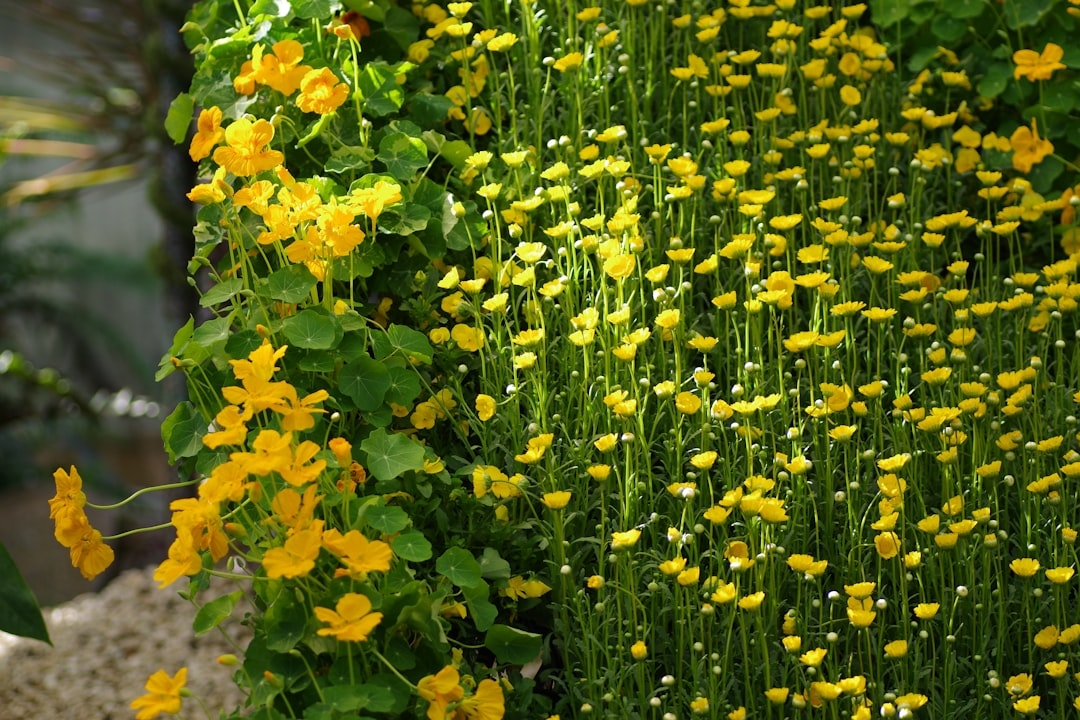
Lemony, subtly musky, and wildly popular in Europe and now the US. - Calendula, nasturtium, hibiscus, and dandelion
Each brings unique color and flavor; hibiscus gives a tart, cranberry-like zing.
Never use foxglove, lily-of-the-valley, daffodils, or oleander–these common garden plants are toxic.
“Don’t trust grocery store bouquets,” warns Jenna Lake, head florist at Brooklyn’s Blush & Bloom Studio. “Always ask your supplier about growing practices, or better yet, grow your own.”
Sources for Edible Flowers in the US
- Local farmers’ markets (ask about growing practices)
- Online stores: Gourmet Sweet Botanicals, Marx Foods, Melissa’s Produce
- Home-grown: Use untreated, organic gardening methods; never harvest within 50 feet of a road.
2026 tip:
More US specialty groceries now carry certified edible flowers in the produce aisle, averaging $6-$10 per 25-flower pack.
Essential Ingredients and Supplies
Quality matters. Each element makes a difference, from your water to your pectin.
Basic Ingredients
- Edible flowers: About 2 cups loosely packed petals (fresh)
- Water: Filtered or spring water
- Lemon juice: Fresh, for acid and clarity (never bottled for best flavor)
- Sugar: Granulated white (preserves color best)
- Pectin: Sure-Jell, Ball RealFruit Classic, or Pomona’s Universal Pectin (for low-sugar options)
Equipment
- Large, non-reactive saucepan
- Fine mesh strainer or cheesecloth
- Measuring cups/spoons
- Sterilized canning jars and lids
- Canning funnel (for tidy jars)
- Tongs or jar lifter (heat-resistant)
- Waterbath canner (for shelf-stable storage)
Pro tip: Ball and Kerr remain the most reliable canning jar brands in 2026. Both are widely available at Target, Walmart, and local hardware stores.
Step-by-Step: How to Make Edible Flower Jelly
The method is simple but does have a few key steps. Take your time, and you’ll be rewarded with jewel-like jars every time.
1. Prepare Flowers
- Rinse petals gently in cold running water to remove dust and insects.
- Pat dry thoroughly–excess water can dilute the flavor.
- Remove all green parts (calyxes, stems, sepals), which can turn jelly bitter.
2. Infuse the Water
- Combine 2 cups flower petals with 2 cups boiling filtered water in a heatproof bowl.
- Cover and steep for 1-4 hours, or until the liquid is vividly colored and fragrant.
- Strain through a double layer of cheesecloth, pressing gently to extract every drop.
“Longer infusion brings a stronger floral note, but don’t overdo it or you risk bitterness,” cautions Dr. Tasha Nguyen, horticulturist, California Edible Plants Society.
3. Measure and Acidify
- Measure out 2 cups infused liquid.
- Stir in 2 tablespoons fresh lemon juice.
(Acidity balances flavor and helps your jelly set and stay safe.)
4. Cook With Pectin and Sugar
- Pour floral infusion and lemon juice into a large saucepan.
- Add one standard box commercial pectin (usually 1.75 oz or 49-50g).
- Bring to a rolling boil, stirring constantly.
- Add 4 cups white sugar all at once; stir until completely dissolved.
- Return to a vigorous boil; cook for exactly 2 minutes.
5. Jar and Seal
- Skim off foam with a spoon for clarity.
- Ladle hot jelly into sterilized jars, leaving 1/4” headspace.
- Wipe rims, apply lids, and process jars in a boiling waterbath for 10 minutes (adjusting for altitude as per USDA guidelines).
6. Cool and Store
- Remove jars and let cool undisturbed for 24 hours.
- Check seals, label, and store in a cool, dark cupboard for up to 12 months.
Quick Reference Table: Classic Flower Jelly Recipes
| Flower | Color | Distinctive Flavor | Sugar (cups) | Specialty Uses |
|---|---|---|---|---|
| Violet | Purple | Sweet, floral | 4 | Toast, tea, cakes |
| Rose | Blush-pink | Perfumed, honeyed | 4 | Scones, yogurt, gifts |
| Lavender | Pale blue | Herbal, resinous | 4 | Cheese, shortbread |
| Dandelion | Yellow | Mild, honey-like | 4 | Muffins, cocktails |
| Hibiscus | Ruby red | Tart, cranberry | 4 | Glazes, sodas |
Safety Tips: Avoiding Toxins and Pitfalls
You don’t want a pretty headache. Flower jelly is safe if you attend to the details.
Always:
- Confirm botanical identity–double-check with a guide or expert.
- Use only blooms not sprayed with pesticides or herbicides.
- Acidify properly: Without enough lemon juice or citric acid, jelly may not be shelf-stable.
- Follow precise canning times.
Never:
- Substitute wild-picked flowers unless certain of their ID and growing conditions.
- Reduce sugar below tested-safe recipes unless using low-sugar commercial pectin and following its instructions.
A 2026 independent test by the Cornell Food Science lab found that 87% of home-canned flower jellies with proper acidity and canning procedures had zero microbial risk after 12 months of storage.
Flavor Variations and Creative Twists
Flower jelly is just the beginning. American home cooks are getting bold.
Additions and Pairings
- Citrus peel: Thin strips of lemon or orange zest boost aroma.
- Herbs: Microdoses of thyme, mint, or rosemary for layered flavors.
- Spices: Allspice with hibiscus, or vanilla bean with rose.
Alcohol-Infused Jellies
Add 2 tablespoons of elderflower liqueur (like St-Germain) at the end for a grown-up twist.
Layered Jellies
Pour two batches (say, dandelion and violet) in layers for a striped effect–let bottom layer set partially before adding the next.
Gift Ideas
- Small hex jars with handwritten labels
- Paired on a cheese board with brie, chèvre, or aged Gouda
- As cocktail ingredients (stirred with gin, or used for edible cocktail “gems”)
Common Problems (and Fixes)
Even experienced canners sometimes run into trouble. Here’s how to troubleshoot:
- Jelly didn’t set?
Reboil with extra pectin and a touch more lemon juice. Or use as a syrup for pancakes and cocktails. - Cloudy jelly?
Strain through double cheesecloth and avoid pressing too hard on the flowers. - Bitter taste?
Remove all green parts from flowers; don’t over-infuse.
“A light hand brings out the best in floral preserves,” says Michael Greer, certified Master Preserver (USDA, 2021). “Start subtle–flavors concentrate as the jelly sets.”
Frequently Asked Questions
What flowers are safe to use for edible flower jelly?
Edible flower jelly is made with petals from non-toxic, pesticide-free varieties such as violets, roses, lavender, calendula, nasturtium, elderflower, hibiscus, and dandelion. Always avoid toxic flowers like foxglove, lily-of-the-valley, daffodil, or oleander. Confirm with a reputable edible flower chart or your local extension office.
Does edible flower jelly taste like perfume?
Properly made edible flower jellies are delicately flavored, not overpowering or soapy. The taste ranges from lightly floral and sweet (violet, rose) to tart and fruity (hibiscus). Overly strong or bitter jelly likely comes from using too many flowers or the wrong varieties.
How long does homemade flower jelly last?
When processed and sealed properly in sterilized jars via waterbath canning, edible flower jelly keeps for up to 12 months in a cool, dark place. Once opened, refrigerate and use within 1-2 months.
Can I use honey instead of sugar?
For a softer set and lightly floral undertone, honey can be substituted for up to half the sugar in most tested recipes. Use a low-sugar pectin such as Pomona’s and follow package instructions for safe acidification.
Where can I buy edible fresh flowers in the US?
Certified edible flowers are sold at gourmetgrocers, select Whole Foods, and online (Gourmet Sweet Botanicals, Melissa’s Produce). Many US farmers’ markets now offer seasonal edible blooms–ask farmers about their growing practices before buying.
Try Your First Batch: A Challenge and a Gift
Pick up a pint of organic violets or snap some chemical-free roses from your garden this weekend. Set aside two hours, just for yourself (or with a kid or friend as kitchen helper). At the end, you’ll not only have a few jars of edible flower jelly, but also a new story–a flavor that only exists because you made it yourself.
You’ll find that once you master one recipe, a whole world of edible flower preserves is at your fingertips. See where curiosity and a little canning confidence take you next: think candied petals, floral syrups, or a homemade flower jelly tasting flight at your next brunch. The American pantry is blooming.