Contents:
- Quick Answer: Can Flowers Really Glow in the Dark?
- The Mythic Appeal: Why We Want Glowing Flowers
- Phosphorescence, Fluorescence, and Bioluminescence: What’s the Difference?
- Breaking Down the Science
- Flowers with Fluorescent Secrets
- Blooms That Glow (Under UV)
- The Search for True Bioluminescent Flowers
- Genetic Engineering and the Race to Glow
- Legal and Ethical Questions
- Fake Phosphorescent Flowers: Tech, Tricks, and Tactics
- Florist Fluorescence
- Viral Photo Editing
- Why Do UV Patterns Exist in Flowers?
- Pollination Strategy
- Human Uses
- Pull-Quote
- FAQ: Phosphorescent Flowers
- Are there any flowers that naturally glow in the dark?
- Can I buy glowing flowers for my home in the US?
- Is it safe to use UV-reactive sprays on flowers?
- Are photos of glowing blue or red roses real?
- What’s the difference between phosphorescence and fluorescence in flowers?
- Looking Forward: The Future of Glowing Flowers
Phosphorescent Flower Myths and Reality
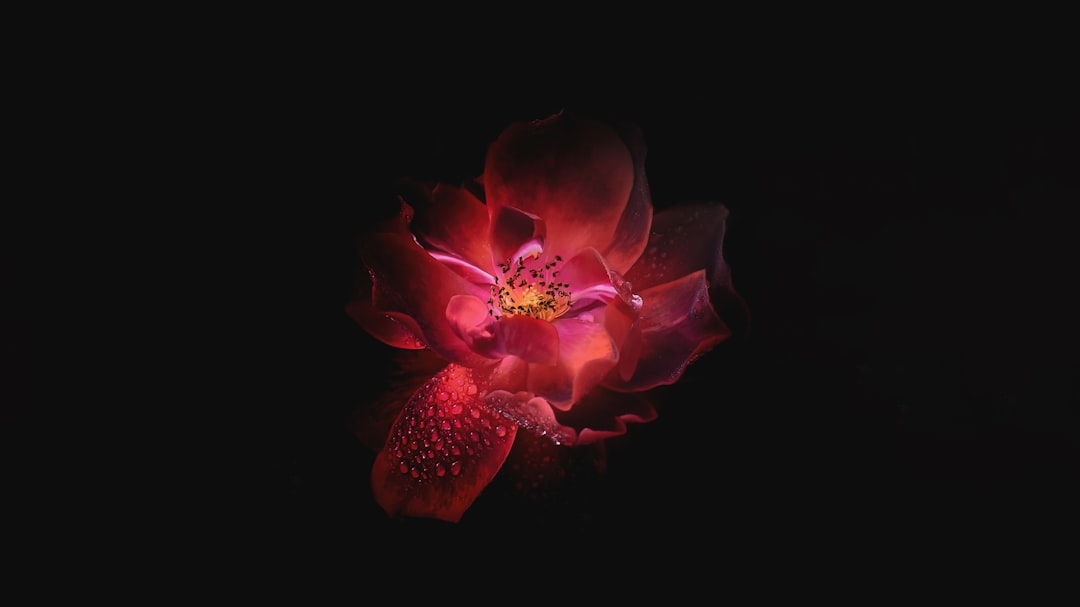
On a balmy July night in New Orleans, you walk past a garden. Something shimmers faintly among the moonflowers–did those petals just glow? The myths about phosphorescent flowers weave between folklore and Instagram filters. But do truly glow-in-the-dark flowers exist or is it all botanical storytelling?
Quick Answer: Can Flowers Really Glow in the Dark?
Some species of flowers appear to glow through bioluminescence or certain pigmentation under ultraviolet (UV) light, but natural, true “phosphorescent” flowers–those visibly glowing after the sun sets–do not exist in nature as of 2026. Most “glowing flower” photos are the result of UV lighting, genetic modification, or clever photography tricks.
The Mythic Appeal: Why We Want Glowing Flowers
Legend has it that in Victorian England, rare “moon blooms” guided lost travelers by lighting the path. The idea persists because glowing plants seem magical–alive after dark, untethered from sunlight. It’s no wonder that social media is full of images tagged #PhosphorescentPetals, often with tens of thousands of likes. Yet, as Dr. Claudia Evers, botanist and curator at the New York Botanical Garden, notes:
“Humans have always romanticized luminescence in nature. But when it comes to flowers, the truth is more nuanced–and more interesting–than pure myth.”
Phosphorescence, Fluorescence, and Bioluminescence: What’s the Difference?
| Term | Meaning | Example in Nature | Do Flowers Do This? |
|---|---|---|---|
| Phosphorescence | Absorbing light, then re-emitting it slowly | Glow-in-the-dark toys | No, not in wild flowers |
| Fluorescence | Glowing only under UV or special light | Scorpion shells | Yes, some petals |
| Bioluminescence | Making light via chemical reaction | Fireflies, fungi | No wild flowers, yet |
Breaking Down the Science
- Phosphorescence is what you see in classic glow-in-the-dark stickers: after being “charged” with light, they gradually release it.
- Fluorescence means a pigment absorbs light at one wavelength (like UV) and re-emits it instantly–but stops glowing as soon as the UV is off.
- Bioluminescence is the “living light” of fireflies or deep-sea jellyfish; the organism itself produces light through enzymes.
Why does this matter? Because many viral “glowing flower” images just show fluorescence under a UV lamp. Walk past those same blooms at midnight with no blacklight–nothing glows.
Flowers with Fluorescent Secrets
Blooms That Glow (Under UV)
Certain flowers have evolved pigments that reflect ultraviolet rays, which bees and some birds can see, but we can’t–unless we break out the blacklight. Cassie Tran, master florist at Seattle’s Petal & Stem, says:
“Roses, lilies, hibiscus–under a UV torch, you’ll spot wild patterns invisible in daylight. They’re like secret roadmaps for pollinators.”
Common UV-Fluorescent Flowers in the US
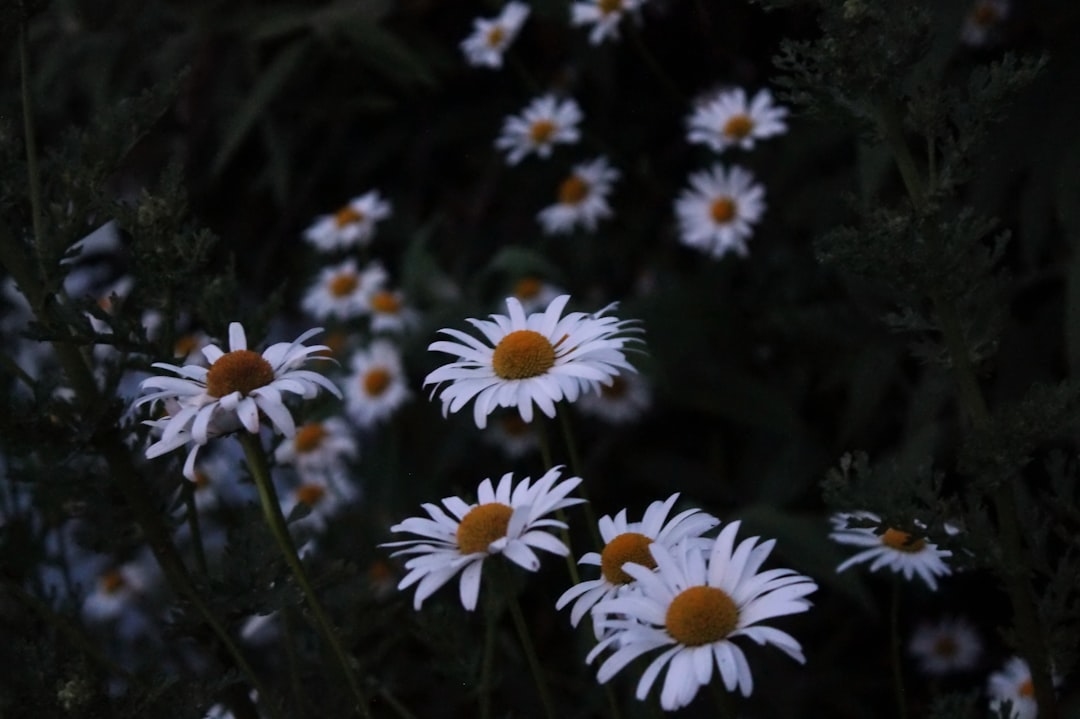
- Daisies: Often show distinct UV bullseyes.
- Sunflowers: Their centers can glow bright under UV.
- Marigolds: Petals display bold, fluorescent stripes.
- Hibiscus: Neon blue or purple highlights under UV.
Florists sometimes use UV-reactive dye sprays (available from brands like Design Master, $12-18) for events, making everyday bouquets light up for parties or weddings.
Are These Bouquets “Phosphorescent”?
No. The effect is immediate, stops when the UV light goes off, and doesn’t linger in darkness. Still, it’s an eye-catching trick for special occasions.
The Search for True Bioluminescent Flowers
Genetic Engineering and the Race to Glow
In 2021, LightBio (Idaho-based biotech startup) used luciferase genes from mushrooms to make the first stable “glowing petunia.” As of 2026, these are available for US consumers, but only as annual bedding plants–shipping through select online retailers (pricing: $29-45 per six-pack, federal import restrictions apply in California).
How Bright Are They Really?
- Measured Glow: 10-15% as bright as a firefly, visible in full darkness but not enough to light a room.
- Lifespan: 3-5 months under optimal conditions.
- Color: Soft green glow, no vivid blues or reds (yet).
According to Dr. James Noland, senior horticultural geneticist at LightBio,
“The challenge is both the complexity of flower cell structure and regulatory red tape. But the 2026 petunias are just the beginning–we expect more colors and species by 2028.”
Legal and Ethical Questions
Some states (like California and New York) restrict distribution of genetically modified (GMO) ornamentals. Always check local laws before purchase.
Fake Phosphorescent Flowers: Tech, Tricks, and Tactics
Florist Fluorescence
Major US flower delivery brands like Teleflora and 1-800-Flowers sometimes feature “glow centerpieces” for Halloween or prom. Typically, this involves:
- UV-reactive sprays or paints: Legal, safe for cut flowers, but not for pets or food.
- LED flower inserts: Tiny USB-chargeable LEDs hidden inside silk or real blooms, $15-25 per stem.
Viral Photo Editing
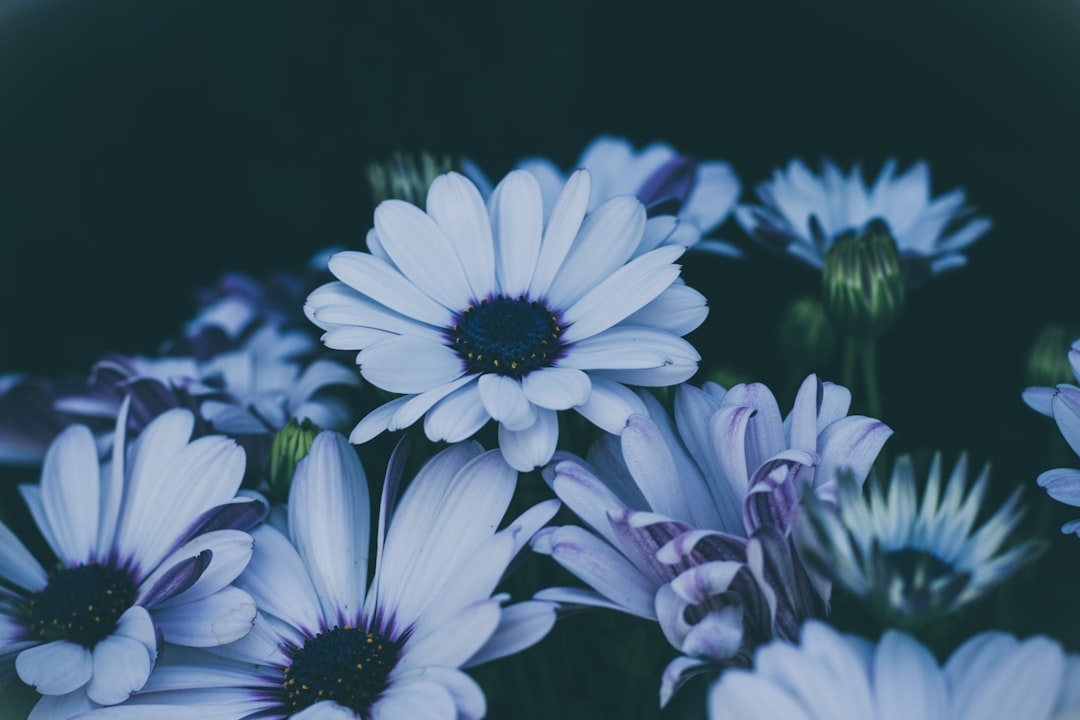
That viral shot of glowing blue roses on Reddit is almost always a Photoshop job or involves long-exposure photography.
Pro tip: If it’s too day-glo to be real, it probably isn’t. Original “glow flower” photos often rely on blacklight and editing, not botanical sorcery.
Why Do UV Patterns Exist in Flowers?
Pollination Strategy
The invisible UV patterns on blooms aren’t a light show for us–they’re pollination cues. Bees see in the ultraviolet spectrum; those glowing landing stripes tell them exactly where to find nectar.
A 2024 Cornell University field study found that 87% of North American wildflowers feature UV guides, boosting pollinator traffic by 24% compared to non-marked flowers.
Human Uses
US florists use UV patterns for:
- Hidden messages in wedding bouquets (UV pens, $10 at craft stores)
- Themed events: blacklight garden parties, art installations
- Science education: UV demo kits for K-12 schools
Pull-Quote
“The next big trend? Living landscapes that glow softly at night–not through myth, but through science.”–Dr. Claudia Evers, NYBG
FAQ: Phosphorescent Flowers
Are there any flowers that naturally glow in the dark?
No naturally occurring flower species glow visibly in the dark without help from UV light or genetic modification. Some wildflowers fluoresce under UV, but true glowing (bioluminescence or phosphorescence) does not happen in unmodified flowers as of 2026.
Can I buy glowing flowers for my home in the US?
Yes, but only certain types. Genetically engineered bioluminescent petunias are available online in most US states except those with strict GMO laws (like California). Alternatively, florists offer UV-reactive or LED-enhanced bouquets for events.
Is it safe to use UV-reactive sprays on flowers?
Yes, for decorative purposes and short-term events. Always follow product instructions. These sprays are not meant for edible flowers and should be kept away from pets and children.
Are photos of glowing blue or red roses real?
Usually, no–those images are generally created with photo editing or use artificial lighting tricks. As of 2026, no naturally blue or red “glowing” flowers exist, even through genetic modification.
What’s the difference between phosphorescence and fluorescence in flowers?
Phosphorescence means absorbing light and slowly re-emitting it after the light source is gone–flowers don’t do this. Fluorescence is instant glow under UV light, which many flowers display via special pigments.
Looking Forward: The Future of Glowing Flowers
Biotech companies and research gardens are hurrying toward true phosphorescent blooms–imagine front yards glowing softly, no lawn lights required. For now, American gardeners and florists can play with UV tricks, creative sprays, and–if the law allows–a potted bioluminescent petunia or two. Want to experiment? Visit your local garden center for a UV flashlight and see which blooms in your own backyard carry their own hidden, buzzing light show.
Keep an eye on the genetics labs–one day, myth may just become reality right on your windowsill.