Contents:
- Gardenias: Quick Answers to Common Questions
- Gardenias Aren’t Native to the Americas
- They’re Notoriously Fussy–But Worth the Effort
- Nighttime is Their Moment
- Gardenias in American Pop Culture
- The Fragrance Industry’s White Gold
- Why?
- They Symbolize Secret Love and Purity
- They’ve Starred in Science and Medicine
- Not All Gardenias Are White
- Gardenias and Southern Homes Go Hand-in-Hand
- Short Vase Life–But There’s a Trick
- Toxic for Pets (and Some People)
- They’re Hard to Propagate–But Not Impossible
- The Cut Flower Market: Luxury Meets Tradition
- FAQ: Gardenias in the US
- What are the best growing conditions for gardenias in the US?
- Are gardenias expensive at US florists?
- How long do gardenia flowers last once cut?
- Are gardenias safe for pets?
- Can gardenias be grown indoors in the US?
13 Facts You Didn’t Know About Gardenias
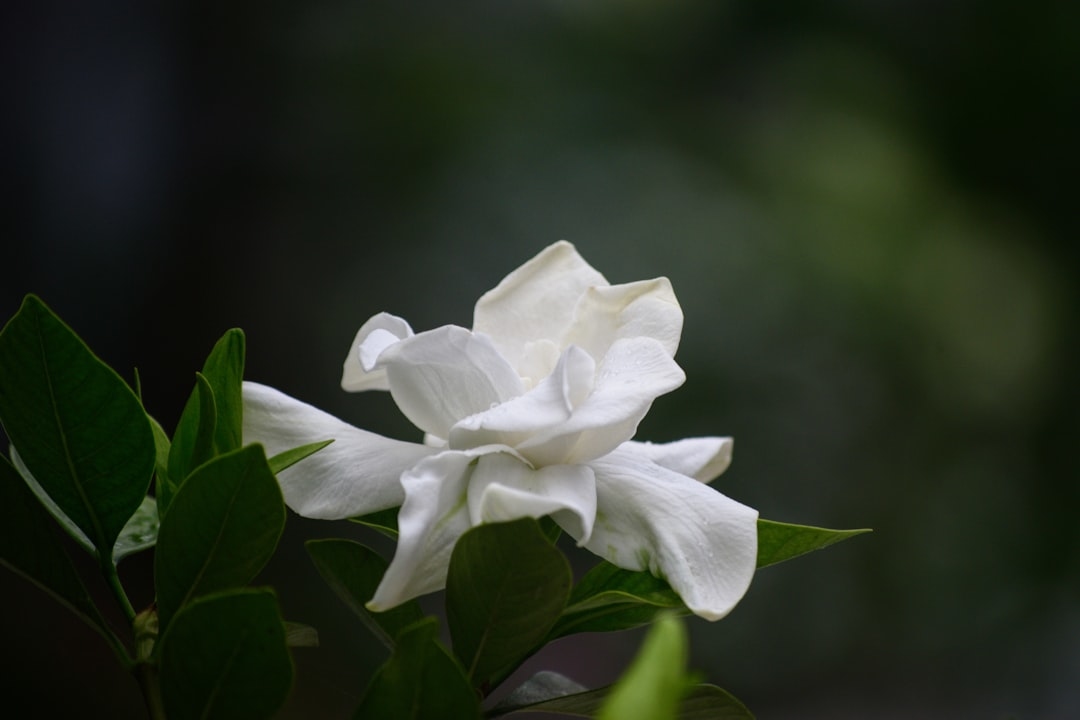
It’s midnight in Charleston, South Carolina, and the summer air is thick with the smell of blooming gardenias–one of America’s most intoxicating floral fragrances. But gardenias are much more than their sweet scent. Beneath those creamy petals is a world of history, secrets, and surprises that even lifelong flower lovers might miss.
Gardenias: Quick Answers to Common Questions
-
What is a gardenia?
Gardenias (Gardenia jasminoides) are evergreen shrubs known for their creamy white, fragrant flowers and glossy green leaves. They’re popular in gardens and as cut flowers, widely used in bouquets and corsages. -
Where do gardenias grow best?
Gardenias thrive in warm, humid climates like the American South (USDA Zones 8-11), preferring acidic, well-drained soil and partial shade. -
Why are gardenias special?
Their unique fragrance, symbolic meaning (purity and secret love), and historical significance have made them beloved for centuries.
For a deeper look at what sets these southern belles apart, let’s unearth the most fascinating–and little-known–facts about gardenias.
1. Gardenias Aren’t Native to the Americas
Although they feel right at home in places like Georgia and Florida, gardenias originated in Asia–specifically southern China, Taiwan, and Japan. European botanists first described them in the 18th century. They got their name from Scottish-American naturalist Dr. Alexander Garden, who never actually discovered them but was honored by Carl Linnaeus in 1758.
Florist Fact: According to Dr. Maria Leighton, horticulturist at the University of California, Davis, “Gardenias became a U.S. garden staple only in the early 1900s, thanks to mail-order nurseries.”
2. They’re Notoriously Fussy–But Worth the Effort
Ask any florist: gardenias are among the most temperamental flowers to grow or keep fresh. They need:
- Acidic soil (pH 5.0-6.5)
- Even moisture–never soggy, never dry
- Mild temperatures (never below 50°F)
- Bright but indirect light
Even seasoned gardeners struggle with yellowing leaves or stubbornly shy blooms. But the reward? A single gardenia flower can perfume a room for days, and gardenia-scented arrangements command premium prices–up to $5 per stem at luxury florists like Flowerbx USA (2026 pricing).
3. Nighttime is Their Moment
Most flowers seem made for daytime, but gardenias are nocturnal showstoppers. Their scent intensifies after dusk, evolving into a complex, creamy, almost spicy aroma. In the southern U.S., gardenia blooms have been called “nature’s evening perfume.”
“No other flower has the power to evoke a summer night quite like a gardenia,” says floral designer Lauren Kim of Atlanta-based Peachtree Petals.
4. Gardenias in American Pop Culture
From Billie Holiday’s signature hair accessory to corsages at 1950s proms, gardenias are icons in U.S. music and style. In the 2020s, gardenia motifs have surged again on fashion runways (shoutout to Rodarte’s 2026 Resort collection) and in high-profile bridal bouquets.
A short list of “famous” gardenias:
- Billie Holiday (wore fresh gardenias in her hair)
- Marilyn Monroe (gifted gardenia bouquets)
- Tiana in Disney’s “The Princess and the Frog” (her signature flower)
5. The Fragrance Industry’s White Gold
You may know its scent from luxury perfumes–Chanel Gardenia, Tom Ford Velvet Gardenia, and even Bath & Body Works’ cult-favorite candles. But here’s the secret: real gardenia essence is almost never used in fragrances.
Why?
Natural gardenia oil can’t be steam distilled, so perfumers use a process called “enfleurage” or recreate the scent synthetically. A pound of true gardenia absolute can fetch over $12,000 (2026 data, American Fragrance Guild). Most mass-market products use lab-made molecules.
6. They Symbolize Secret Love and Purity
In Victorian floriography (the “language of flowers”), gardenias represent “secret love” or “you are lovely.” Modern florists still tuck them into wedding arrangements for their symbolism–especially in southern U.S. weddings.
| Flower | Traditional Meaning | Common Use |
|---|---|---|
| Gardenia | Secret love, purity | Weddings, proms |
| Rose | Love, passion | Bouquets, dates |
| Lily | Purity, renewal | Funerals, Easter |
7. They’ve Starred in Science and Medicine
Gardenia fruits (not the blossoms) are bright orange and used in traditional Chinese medicine for their anti-inflammatory and anti-anxiety properties. In 2024, University of Florida researchers published a study showing gardenia extracts may help reduce skin inflammation–prompting new U.S. skincare brands to launch gardenia-infused serums by 2026.
8. Not All Gardenias Are White
While creamy white is classic, over 200 cultivars exist. Some American favorites include:
- ‘Mystery’: Large, double blooms (popular for cut flowers)
- ‘August Beauty’: Early, prolific bloomer
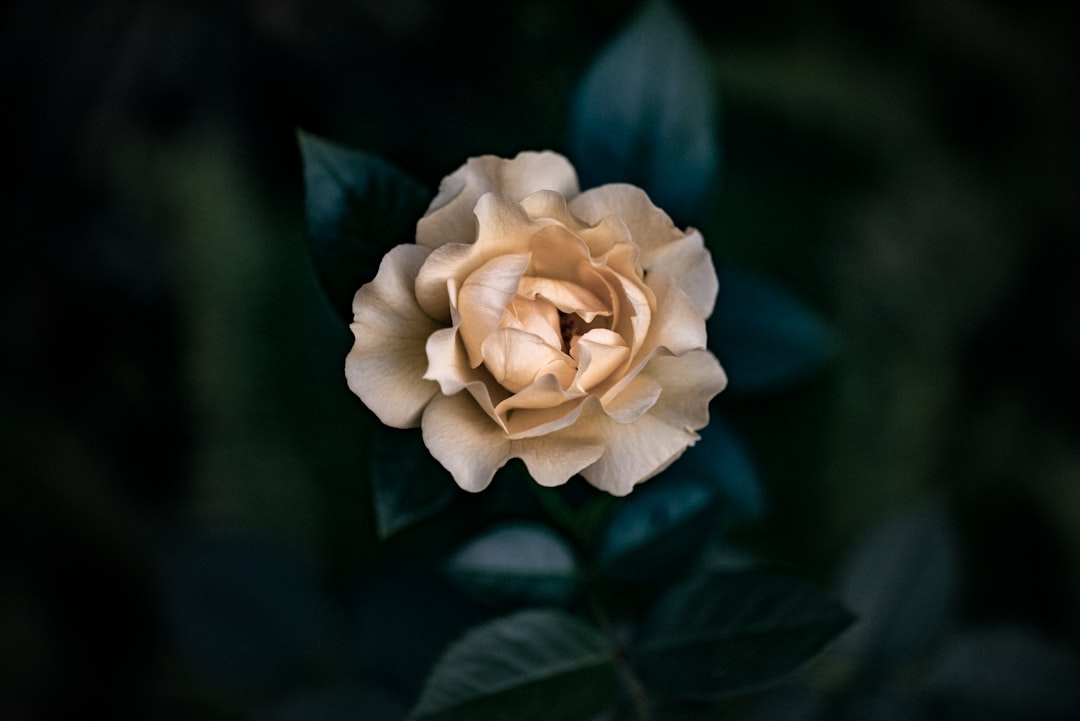
- ‘Golden Magic’: Flowers turn yellow as they age
- ‘Radicans’: Compact, low-growing (great for hedges)
Look for rare yellow and variegated gardenias at specialty nurseries–usually $35-$50 per shrub in 2026.
9. Gardenias and Southern Homes Go Hand-in-Hand
Drive through Savannah or New Orleans and you’ll spot gardenias by the porch, mingling with magnolias and camellias. Realtors report that a blooming gardenia bush can boost curb appeal (and even listing prices) in markets like Charleston and Jacksonville.
10. Short Vase Life–But There’s a Trick
Cut gardenias wilt fast, usually within 24-48 hours. To prolong their beauty:
- Pick buds just before they open.
- Float blooms in shallow bowls of water.
- Mist lightly and keep cool, out of direct sun.
Pro tip from Emily Santos, AIFD-certified florist in Miami: “Store gardenias in the fridge (above 45°F) for up to a week if you wrap stems in wet paper towels.”
11. Toxic for Pets (and Some People)
Gardenias are toxic to dogs, cats, and horses–causing mild gastrointestinal upset if ingested, according to the ASPCA. Rarely, the dense fragrance can trigger allergies in sensitive people. Always display bouquets out of reach of curious pets and toddlers.
12. They’re Hard to Propagate–But Not Impossible
While gardenias can grow from seed, most U.S. gardeners use cuttings or grafted plants for reliability. Rooting hormone and consistent humidity are key. Some specialty nurseries like Logee’s Greenhouses offer starter plants for $25-$60 (2026).
13. The Cut Flower Market: Luxury Meets Tradition
Unlike roses or tulips, gardenias are a “luxury” bloom in the U.S. floral trade. They’re mostly bought for high-end weddings, corsages, and Mother’s Day arrangements. Online florists like UrbanStems and The Bouqs Company typically feature them as seasonal, premium offerings.
FAQ: Gardenias in the US
What are the best growing conditions for gardenias in the US?
Gardenias thrive in USDA Zones 8-11, which include much of the Southeast and Southern California. They need acidic soil, humidity, and partial shade. Winter protection is necessary in cooler regions.
Are gardenias expensive at US florists?
Yes, gardenias are among the pricier fresh flowers. In 2026, a single stem can cost $4-$7 at major florists, and bridal bouquets featuring gardenias average $150-$300.
How long do gardenia flowers last once cut?
Typically, cut gardenia blooms last 1 to 2 days. Floating the flowers in water or refrigerating them can extend their freshness by a day or two.
Are gardenias safe for pets?
No, gardenias are mildly toxic to dogs and cats if ingested. Symptoms may include vomiting and diarrhea. Always keep stems out of reach.
Can gardenias be grown indoors in the US?
Yes–especially dwarf varieties like ‘Radicans’ or ‘Buttons’. Indoor gardenias need bright, filtered light, humidity above 50%, and attention to temperature (never below 60°F).
Ready to experiment with gardenias in your own garden or next bouquet? Visit a local nursery this season–and don’t be afraid to ask about unusual varieties or growing tricks. With a little patience (and maybe a pair of gardening gloves), you could find yourself swept up in the spell of one of America’s most enchanting flowers–now with a few secrets up your sleeve.