Contents:
- Quick Answer: Are Sunflowers Bad for Allergy Sufferers?
- Understanding Pollen Allergies: What Actually Triggers Symptoms?
- Sunflower Pollen Levels: How Do They Compare?
- Pollenless Sunflowers: The Florist’s Secret Weapon
- What Makes a Sunflower “Pollenless”?
- How to Identify Pollenless Sunflowers
- Growing Sunflowers at Home: Allergy Considerations
- Garden Sunflowers and Pollen
- Children and Sunflower Pollen
- Sunflower Allergies: Not Just About Pollen
- Contact Dermatitis
- Sunflower Seed Allergy
- Cross-Reactivity
- List: How to Enjoy Sunflowers with Allergies
- Pull-Quote
- Frequently Asked Questions
- What are the best sunflowers for allergy sufferers?
- Can sunflower bouquets trigger hay fever?
- Do sunflower seeds cause allergies?
- Are sunflowers safe for people with asthma?
- How can I tell if a sunflower is pollenless?
- Looking Ahead: Allergy-Friendly Floristry
Are Sunflowers High Pollen for Allergies? The Truth About Sunflower Allergy Risks
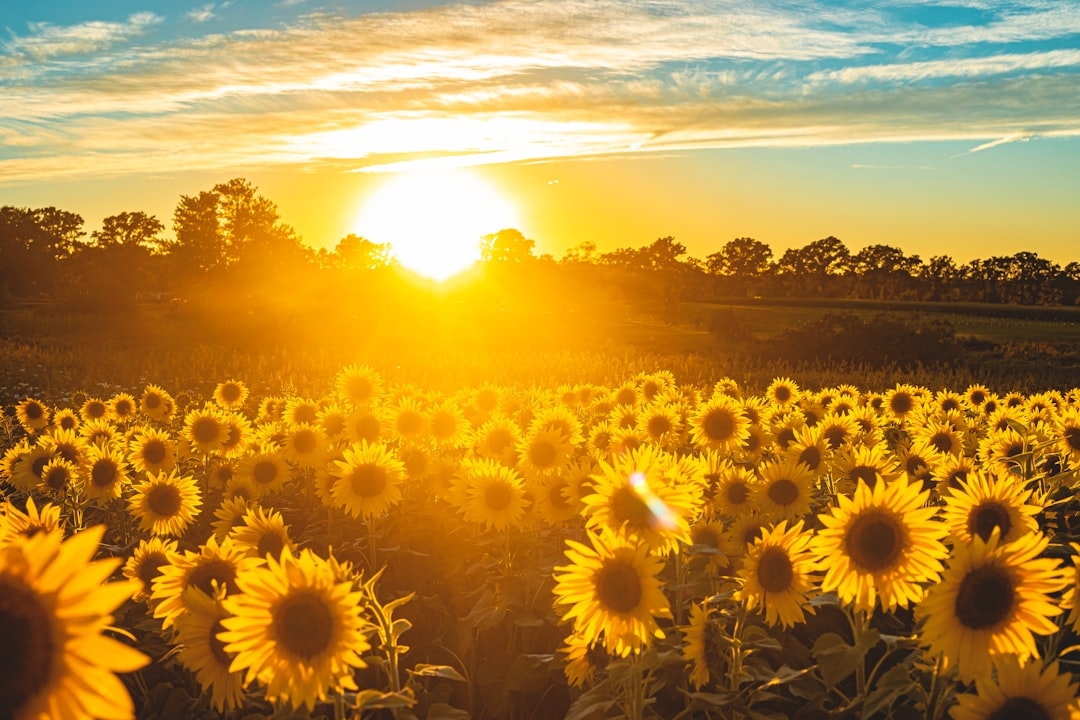
Picture a field of sunflowers in late July: hundreds of cheerful yellow faces, standing tall and turning toward the sun. It’s easy to see why sunflowers are an American summertime favorite for bouquets, gardens, and even wedding backdrops. Yet for folks with pollen allergies, the sight might trigger a different reaction–one of concern. Are those giant blooms loaded with allergy-causing pollen? And should you steer clear if you or someone in your household is sensitive?
Quick Answer: Are Sunflowers Bad for Allergy Sufferers?
Sunflowers produce a moderate amount of pollen, but not all varieties are equally problematic. Traditional single-stem sunflowers (like Helianthus annuus) do release pollen that can cause allergies, but many florist varieties sold in the U.S.–such as ‘Sunrich’ or ‘ProCut’–are bred to be pollen-free or “pollenless.” For most allergy sufferers, these pollenless sunflowers pose minimal risk.
Key Points:
- Standard garden sunflowers: moderate to high pollen (potential allergen)
- Most cut-flower sunflowers: bred for low/no pollen
- Severity depends on allergy type and sunflower variety
Want the full scoop? Let’s break down what makes sunflowers unique in the world of pollen and allergies.
Understanding Pollen Allergies: What Actually Triggers Symptoms?
Allergic reactions to flowers are caused by proteins in pollen grains. When you inhale or touch pollen, your immune system can mistake it for a threat, triggering sneezing, itchy eyes, congestion, and more–a classic case of hay fever or allergic rhinitis. But not all flower pollen is created equal.
Wind vs. Insect Pollination
- Wind-pollinated plants (ragweed, birch) release clouds of fine pollen that travel miles. These are the real villains for allergy sufferers.
- Insect-pollinated flowers, like most sunflowers, produce heavier, stickier pollen that’s designed to stick to bees–not float through the air. This drastically reduces airborne exposure.
Dr. Lynette Mazur, Ph.D. in Plant Sciences and a consulting botanist for the National Allergy Foundation, explains:
“Sunflowers are primarily insect-pollinated, so their pollen is less likely to be airborne compared to grasses or ragweed. However, direct contact can still trigger allergic reactions in sensitive individuals.”
Sunflower Pollen Levels: How Do They Compare?
Here’s how sunflower pollen stacks up against other common allergy offenders.
| Flower/Plant | Pollen Count | Airborne Potential | Allergy Risk |
|---|---|---|---|
| Sunflower (wild) | Moderate | Low | Medium |
| Sunflower (pollenless) | None/Trace | None | Low |
| Ragweed | Very High | Very High | Very High |
| Lilies (Asiatic) | High | Low | Medium |
| Roses (garden) | Low | Very Low | Low |
| Chamomile | Moderate | Moderate | Medium/High |
Takeaway: Sunflowers aren’t the worst offenders, especially compared to outdoor allergens like ragweed. But if you hug a wild sunflower, pollen exposure is possible.
Pollenless Sunflowers: The Florist’s Secret Weapon
If you’ve ever received a sunflower bouquet from a popular US flower delivery service like UrbanStems or The Bouqs Co. and noticed your eyes stayed blissfully clear, there’s a reason.
What Makes a Sunflower “Pollenless”?
Pollenless varietals, such as ‘ProCut Gold’ and ‘Sunrich Orange’, have been selectively bred to produce almost no loose pollen. This doesn’t just help allergy sufferers–it also keeps bouquets spotless (no yellow dust on your tablecloth).
- Introduced in the 1990s, pollenless hybrids are now standard for cut-flower farms in California and across the US.
- These are the sunflowers you’ll find in most florists’ buckets and grocery store bunches in 2026.
Expert note:
“99% of commercial sunflower stems sold for floral arrangements in the US are from pollenless types,” says Gina Harper, owner of Harper Florals in Austin, TX.
How to Identify Pollenless Sunflowers
Look for these clues:
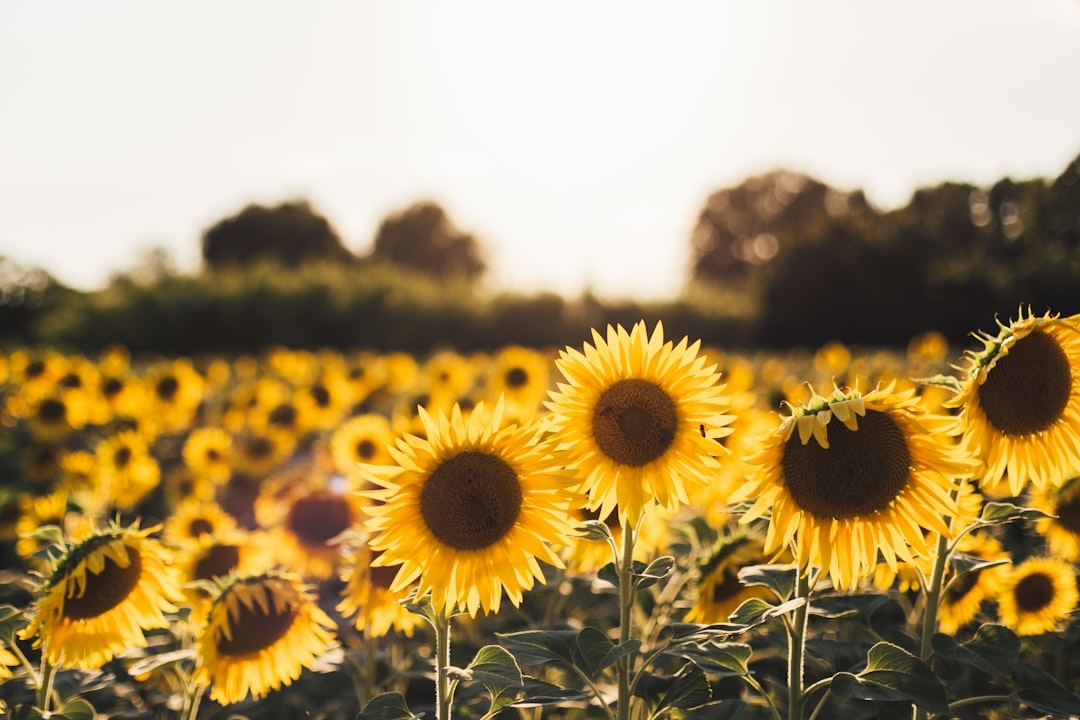
- No visible yellow dust around the central disk
- Labeling: Florist descriptions often mention “pollenless”
- Variety names: ‘Sunrich’, ‘ProCut’, and ‘Apricot Lemonade’ are all low-pollen lines
Growing Sunflowers at Home: Allergy Considerations
Planning your own sunflower patch this summer? You might wonder whether homegrown sunflowers will set off allergies for your family, kids, or pets.
Garden Sunflowers and Pollen
Most seed packets at US hardware stores (Home Depot, Lowe’s) still carry classic garden sunflower varieties, and many of these do shed pollen.
- Tip: Check the back of seed packets for “Pollenless” or specific hybrids.
- Plant spacing: More distance between plants can reduce overall pollen density.
- Best practices: Those with severe pollen allergies or asthma may still want to skip growing classic sunflowers close to windows or high-traffic areas.
Children and Sunflower Pollen
Sunflowers are fun for kids–big, bright, and easy to grow. But direct handling of pollen-heavy stems (making crafts, seed harvesting) may cause temporary skin or respiratory irritation for sensitive children. Choose pollenless types for schools and home play gardens.
Sunflower Allergies: Not Just About Pollen
While most reactions are due to pollen, some rare allergies involve sunflower seeds, oil, or even stems and leaves.
Contact Dermatitis
In rare cases, touching sunflower leaves or stems leads to redness or itching. This is more likely due to plant sap than pollen.
Sunflower Seed Allergy
Sunflower seeds are a popular snack in the US, but true allergies to them are rare. Symptoms could include hives, swelling, or digestive upset. Consult an allergist for testing and guidance.
Cross-Reactivity
Some people with severe ragweed allergies also react mildly to sunflowers, due to related proteins. This is called cross-reactivity.
List: How to Enjoy Sunflowers with Allergies
- Request “pollenless” sunflowers from your florist or flower delivery service.
- Wipe vase stems with a damp cloth before arranging.
- Display sunflowers in well-ventilated rooms, but away from strong fans or open windows during pollen season.
- For garden use, choose labeled pollenless hybrids from reputable brands.
- Avoid harvesting wild sunflowers if you have severe pollen allergies.
Pull-Quote
“Pollenless sunflowers let people with asthma or hay fever enjoy their sunny beauty, minus the sniffles.”
– Gina Harper, Harper Florals
Frequently Asked Questions
What are the best sunflowers for allergy sufferers?
The best sunflowers for people with allergies are “pollenless” varieties, such as ‘Sunrich Orange’, ‘ProCut Red’, and ‘Solara’. These contain little to no airborne pollen and are widely used by US florists in 2026. Always check with your local florist or flower delivery service for confirmation.
Can sunflower bouquets trigger hay fever?
Most sunflower bouquets sold in the US are made from pollenless types and are unlikely to trigger hay fever. Wild or garden sunflowers, however, may have some pollen and can cause symptoms if handled closely.
Do sunflower seeds cause allergies?
Sunflower seed allergy is rare, but possible. Symptoms can include hives, swelling, or upset stomach. If you have a history of nut or seed allergies, consult an allergist before eating sunflower seeds or using sunflower oil.
Are sunflowers safe for people with asthma?
Pollenless sunflowers are generally safe for people with asthma who are sensitive to flower pollen. Classic garden or wild sunflowers, which shed more pollen, should be avoided or handled with care.
How can I tell if a sunflower is pollenless?
Pollenless sunflowers have a clean center (no yellow dusting of pollen) and are often labeled as such by florists or on seed packets. Popular pollenless varieties include ‘Sunrich’, ‘ProCut’, and ‘Apricot Lemonade’.
Looking Ahead: Allergy-Friendly Floristry
Demand for allergy-friendly flowers continues to shape the US floral industry in 2026. With more pollenless sunflower varieties introduced every year and increasing transparency from florists and online retailers, enjoying sunflowers has never been safer for those prone to allergies. When ordering or growing sunflowers, ask about pollen content–your nose (and your friends) will thank you.