Contents:
- Quick Answer: What Makes Snapdragons Special?
- The Dragon’s Jaw: Why Do They Snap?
- They Bloom in Practically Every Color (Except True Blue)
- They’re Toxic–But Also Edible?
- Snapdragons Survive Chilly Weather
- Early-Bloom Champions
- Snapdragons Attract Bees–Not Deer
- They’re Easy for Beginners, Yet Loved by Pros
- Why Florists Love Them
- Snapdragons Have a Royal and Magical Past
- Snapdragons in American Culture
- NASA Grew Snapdragons in Space
- Snapdragons Are a Genetic Goldmine
- American Snapdragons Lead Global Sales
- There Are Compact and Towering Varieties
- Table: Common US Snapdragon Types
- They Have a Surprising “Skull” Seed Pod
- Snapdragons Can Stand Tall in Vases–With One Trick
- FAQ: Snapdragons in Floristry and Gardening
- What do snapdragons symbolize?
- Are snapdragons safe for pets and children?
- How do I get snapdragons to bloom longer?
- Can snapdragons be grown indoors?
- When are snapdragons in season in the US?
13 Facts You Didn’t Know About Snapdragons
Snapdragon flowers don’t just whisper spring – they snap, crackle, and pop with color and oddball charm. Imagine a flower that can “bite” your finger (gently), has inspired herbalists and princesses, and holds a surprising spot in NASA’s space botany experiments. The snapdragon isn’t just another pretty petal at the florist. It’s steeped in folklore, science, and backyard wonder.
Quick Answer: What Makes Snapdragons Special?
Snapdragons (scientific name Antirrhinum majus) are vibrant, tube-shaped flowers native to the Mediterranean. Their blossoms open and close like a dragon’s mouth when squeezed, giving them their whimsical name. Snapdragons are beloved in US gardens for their wild color range, upright form, and surprising resilience – thriving from early spring through late fall. They’re deer-resistant, pollinator-friendly, and even edible. No wonder they’re a favorite in floristry and backyard plots alike.
1. The Dragon’s Jaw: Why Do They Snap?
The “snap” in snapdragon isn’t just marketing flair. When you gently pinch the sides of a mature flower, its two petal lobes pop open and then “bite” shut when you release them. Kids everywhere love this trick; so do plenty of adults.
How does it work?
The flower’s bilateral symmetry creates a hinged, velvety jaw – open for bees and closed to most pests. According to Dr. Marian O’Connor, PhD in Plant Morphology at Rutgers University, “Snapdragons evolved this physical pop as a pollination strategy. Only pollinators strong enough to pull open the ‘jaws’ can reach the nectar, usually big bumblebees.”
- Fun fact: The Latin name, Antirrhinum, means “like a snout.”
What blooms in the florist’s shop is only half the story. Next time you visit your local flower shop or order a bouquet from Bouqs or UrbanStems, see if you can make the flowers “snap.”
2. They Bloom in Practically Every Color (Except True Blue)
Walk into a US nursery in April, and you’ll find snapdragon cultivars in fire-engine red, neon fuchsia, soft creams, and even almost-black burgundies. Some are bicolored, striped, or ruffled like a flamenco dress.
The only color missing? True blue.
Comparison Table: Snapdragons vs. Other Common Cut Flowers
| Flower | Colors Available | Blue Hues? |
|---|---|---|
| Snapdragon | White, Yellow, Pink, Red, Orange, Purple, Burgundy | No |
| Iris | White, Yellow, Purple, Blue | Yes |
| Rose | White, Pink, Red, Yellow, Orange, Lavender | Not naturally |
| Tulip | Almost every color except true blue | No |
Hybridizers keep trying to breed a true blue snapdragon, but as of 2026, it remains a breeder’s dream.
“Snapdragons deliver almost every shade for mixed bouquets, making them a floral designer’s dream,” says Austin-based florist Nicole Mejia, owner of Blackbird Flower Studio.
3. They’re Toxic–But Also Edible?
Here’s a twist: Snapdragons are technically toxic to pets and people if consumed in large quantities, but the flowers themselves are often used as decorative edible garnishes in upscale restaurants. A few petals atop a wedding cake or in a fancy salad? Instagram gold.
- Caution: While the petals are considered safe as a garnish, avoid eating leaves or stems.
- Pet owners: ASPCA lists snapdragons as non-toxic to cats and dogs, but best to keep curious munchers away.
Chefs like Alison Tran, executive chef and edible flower advocate, recommend using only organically grown blooms and washing them thoroughly before use.
4. Snapdragons Survive Chilly Weather
Unlike many annuals that wither with the first fall frost, snapdragons are impressively cold-hardy. In the US, they thrive in USDA Zones 7-11 – and some varieties can handle light snow.
Early-Bloom Champions
Gardeners in the Pacific Northwest and Midwest often plant snapdragons outdoors as early as March or April, before the soil even fully warms up. According to the National Gardening Association, snapdragons can survive temperatures as low as 20°F (-6°C).
- Tip: Mulch helps protect roots during unexpected cold snaps.
This resilience also explains why snapdragons are among the first cut flowers to appear at local farmers’ markets each spring.
5. Snapdragons Attract Bees–Not Deer
Snapdragons are like secret pollinator clubs. Their “dragon jaw” requires a strong bumblebee or large bee to open, so bees are frequent visitors. Hummingbirds may also take a sip.
At the same time, the slightly bitter foliage keeps deer and rabbits away–a rare win for American gardeners plagued by hungry critters.
- Pollinator Bonus: Research from University of California-Davis (2024) showed that snapdragon-heavy gardens attracted 60% more native bumblebees than gardens without them.
- Florist trick: Snapdragons in arrangements can deter deer from nibbling on outdoor bouquets.
6. They’re Easy for Beginners, Yet Loved by Pros
Snapdragons are a classic “sure bet” annual–perfect for anyone planting their first home garden. A packet of seeds costs around $3-$5 at stores like Home Depot, Lowe’s, and online retailers.
Why Florists Love Them
- Excellent vase life (up to 10 days with proper care)
- Long, sturdy stems (up to 36 inches with tall varieties)
- Versatile: use as a focal flower or vertical accent
New York-based floral designer Jamie Lin, AIFD, says,
“Snapdragons hold their shape and color in bouquets–even after shipping overnight via FedEx or 1-800-Flowers.”
Pro tip: For continuous blooms, pinch the stems when plants are 6 inches tall.
7. Snapdragons Have a Royal and Magical Past
Snapdragons have starred in European folklore for centuries. Medieval brides tucked them into wedding bouquets for luck. In ancient Rome, people believed snapdragon garlands could ward off evil spirits.
Snapdragons in American Culture
- Early colonists grew snapdragons in “cottage gardens” for both beauty and superstition.
- The flower was included in the symbolic “language of flowers” that swept Victorian America. In that code, snapdragons mean graciousness or, sometimes, deception–fitting for a flower with a hidden mouth.
8. NASA Grew Snapdragons in Space

Snapdragons have literally reached new heights. In 2012, NASA scientists chose them for a plant growth experiment aboard the International Space Station, thanks to their fast germination and trackable genetics.
By 2026, snapdragons remain a model organism for plant growth studies in microgravity. According to Dr. Ethan Grant, botany lead at NASA’s Kennedy Space Center,
“Their genetic diversity makes them perfect for understanding how spaceflight impacts flowering.”
Think of that next time you spot a bouquet at Trader Joe’s.
9. Snapdragons Are a Genetic Goldmine
Snapdragons aren’t just for pretty faces. Scientists love their complex genetics, which have helped unlock big botanical mysteries.
- First flower to reveal genetic “jumping genes”: Nobel laureate Barbara McClintock’s groundbreaking discovery of transposable elements was partly inspired by snapdragon research in the 1940s.
- Still on the front lines: SNAPGENE, a major 2025 genetics initiative, uses Antirrhinum species to map flower color inheritance.
This makes snapdragons the “lab rat” of the flower world.
10. American Snapdragons Lead Global Sales
In the US, snapdragons are a top-selling bedding plant and a common feature in commercial cut flower fields, especially in California, Texas, and Florida.
- Over 130 million snapdragon stems were sold by US florists in 2025, according to the Society of American Florists (SAF).
- Most are grown in California’s Salinas Valley – the “Salad Bowl of the World.”
Retail pricing: Expect to pay $15-$22 for a snapdragon bouquet from FTD, Teleflora, or local US florists in 2026.
11. There Are Compact and Towering Varieties
Snapdragons aren’t one-size-fits-all. In fact, they range from petite 6-inch “dwarf” varieties (perfect for window boxes) to dramatic 3-foot giants like the ‘Rocket’ series.
Popular US Varieties (2026):
- ‘Madame Butterfly’: Fluffy, double-petaled blooms
- ‘Sonnet’: Classic, mid-height series
- ‘Twinny’: Award-winning, ruffled dwarf snapdragons
- ‘Liberty Classic’: Tall stems for professional cuts
Table: Common US Snapdragon Types
| Variety Name | Height | Best Use |
|---|---|---|
| Fairy Tale | 8-10″ | Borders, containers |
| Sonnet | 18-24″ | Beds, bouquets |
| Rocket | 30-36″ | Tall arrangements |
12. They Have a Surprising “Skull” Seed Pod
After the petals fade, snapdragons leave behind brown, seed-filled pods. Look closely: They resemble tiny, grinning skulls. In some cultures, these “dragon skulls” inspired ghost stories or were used as talismans.
- Fun fact: Some children collect dried pods as “dragon bones.”
- Gardening tip: Saving seeds from these pods is an easy way to propagate next year’s plants.
13. Snapdragons Can Stand Tall in Vases–With One Trick
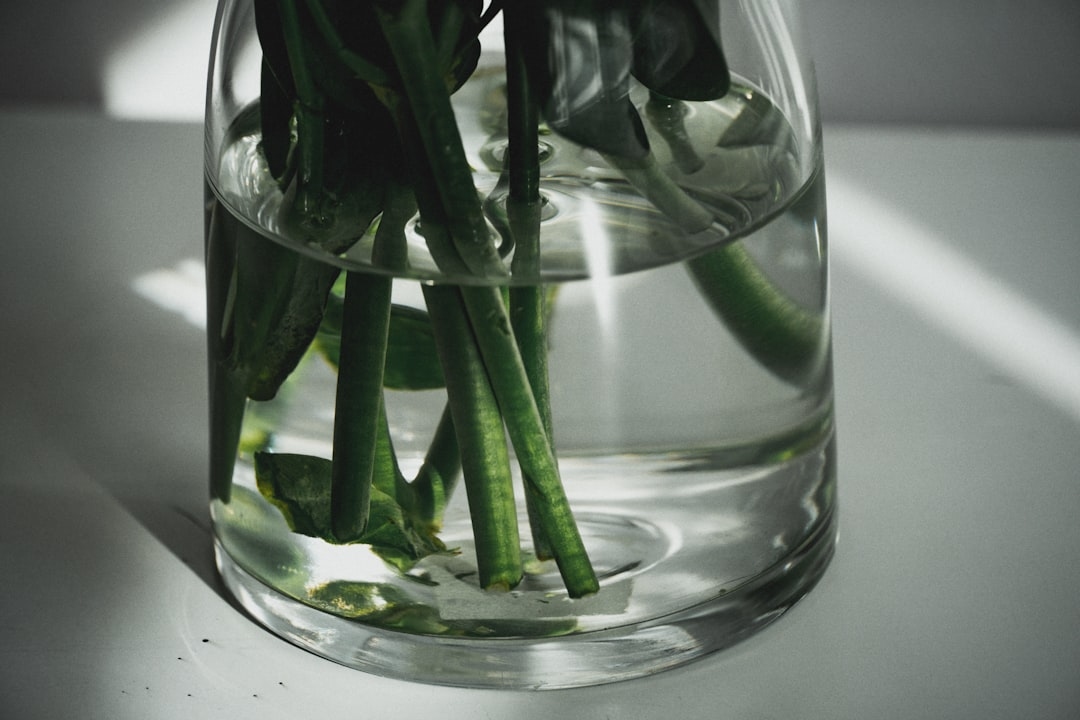
Snapdragons have a reputation for flopping over as cut flowers. The trick? Strip off most of the lower leaves before arranging, and don’t overcrowd stems in the vase.
- Florist advice: Use tall, narrow vases to support their height.
- Change water every 2-3 days for maximum vase life.
“Snapdragons can last over a week if kept cool and away from fruit,” says Chicago florist Maya Liu, who’s designed for events at Millennium Park.
FAQ: Snapdragons in Floristry and Gardening
What do snapdragons symbolize?
Snapdragons symbolize graciousness, strength, and sometimes deception. In Victorian flower language, gifting snapdragons could convey secrets or hidden desires.
Are snapdragons safe for pets and children?
Snapdragon flowers are considered non-toxic to cats and dogs per the ASPCA, but the foliage may cause mild stomach upset if ingested. Always supervise pets and children around garden plants.
How do I get snapdragons to bloom longer?
Pinch seedlings when 3-6 inches tall to encourage bushiness. Deadhead spent blooms regularly. In hot climates, plant in partial shade for longer bloom time through summer and into fall.
Can snapdragons be grown indoors?
Yes, snapdragons can be grown in bright windows or under grow lights. Choose compact varieties and keep soil evenly moist. Expect shorter bloom spikes than outdoor plants.
When are snapdragons in season in the US?
Snapdragons are available in US florists and gardens from early spring (March/April) through late fall (October/November), with peak commercial availability April-June and September-November.
Thinking of your next flower arrangement or garden project? Try adding snapdragons for height, drama, and a bit of magic. Ask your local florist for the freshest stems–or experiment with new varieties in your own backyard. Who knows? You might discover a new favorite in the flower world’s friendliest “dragon.”