Contents:
- Quick Answer: Why Are Chrysanthemums Never Gifts in Italy?
- The Italian Chrysanthemum Tradition
- A Flower Reserved for the Departed
- All Saints’ Day: A National Ritual
- How Flower Meanings Differ: Italy vs. The U.S.
- The Language of Flowers: Why Meanings Matter
- Floristry’s Code: Floriography
- Missteps: Cultural Blunders in Floristry
- When (and Where) Are Chrysanthemums Appropriate Gifts?
- Italian Context: Only for Funerals
- American Context: A Very Different Story
- A Short List: Appropriate Gift Flowers in Italy
- What To Give Instead: Florist Tips for Cross-Cultural Gifting
- Italian-Approved Alternatives
- Conversation Starters with Your Florist
- The Globalization Factor: Will Meanings Ever Change?
- FAQ
- Why are chrysanthemums only used for funerals in Italy?
- What happens if you accidentally give chrysanthemums as a gift in Italy?
- Are there other flowers that are considered unlucky gifts in Italy?
- Can Americans use chrysanthemums in gifts within the US?
- How do Italian florists respond if you request chrysanthemums for a happy occasion?
- Looking Ahead: Making Thoughtful Flower Choices
Why Italians Never Give Chrysanthemums as Gifts
A white chrysanthemum on your doorstep in Milan means something very different than a birthday bouquet from 1-800-Flowers in Memphis. Walk into any Italian florist in November, and you’ll see buckets overflowing with chrysanthemums–but not a single one wrapped up to go to a party or dinner. Florists in Rome and Florence are emphatic: you never gift chrysanthemums in Italy. The story behind this unwritten rule is a striking reminder that flower meanings matter, sometimes for reasons far deeper than simple aesthetics.
Quick Answer: Why Are Chrysanthemums Never Gifts in Italy?
In Italy, chrysanthemums are never given as gifts because they are exclusively associated with mourning, funerals, and honoring the dead. While Americans might see chrysanthemums as cheerful fall flowers, Italians use them almost entirely as grave decorations, especially on All Saints’ Day (November 1) and All Souls’ Day (November 2). Giving them as a present would be considered deeply inauspicious, even offensive, similar to gifting someone a bouquet of lilies at a U.S. baby shower.
The Italian Chrysanthemum Tradition
A Flower Reserved for the Departed
In the weeks leading up to early November, flower markets throughout Italy transform. According to Francesca Bellanti, lead floral designer at Fiori Per Sempre in Bologna, “We sell more chrysanthemums than any other flower that week–sometimes 80% of our business.” Prices spike, with the average bouquet costing around €28 ($31 USD in 2026).
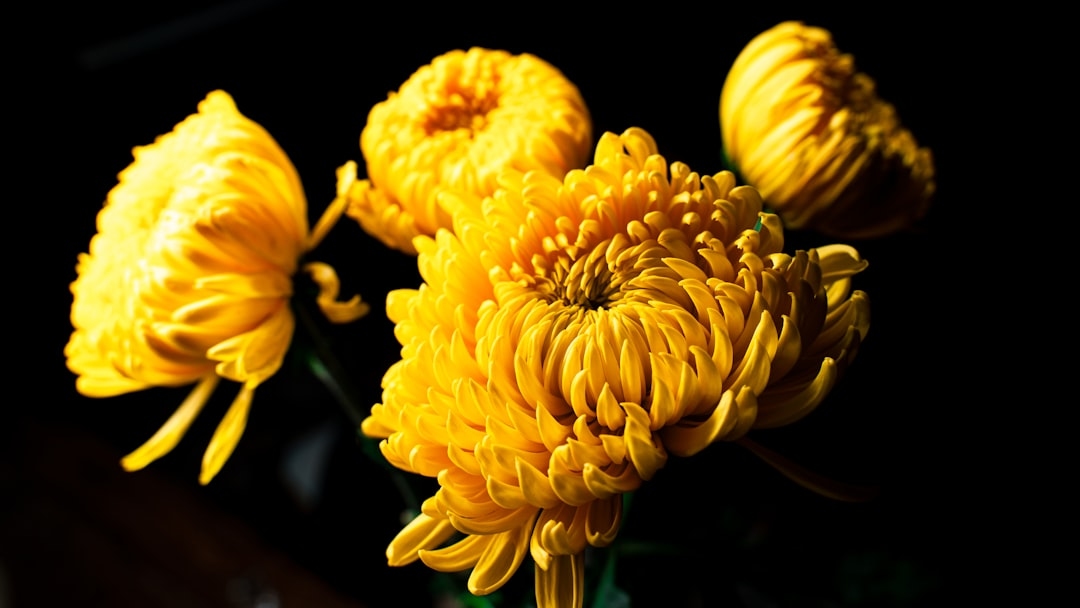
Chrysanthemums–especially white and yellow varieties–are the standard for decorating graves and memorials. This tradition dates back at least 150 years. Italians associate their distinctive shape and long-lasting blooms with remembrance and the cycle of life and death. Year after year, the symbolism deepens, reinforced by both folklore and religious custom.
All Saints’ Day: A National Ritual
Every November 1st, millions of Italians travel to cemeteries. Families–sometimes three or four generations–tidy up headstones and leave fresh flowers. Chrysanthemums dominate because, as botanist Marco Licci (author of The Cultural Botany of Southern Europe) notes, “They’re among the only flowers that survive cold, wet autumn nights.”
This ritual is as common as Thanksgiving gatherings are in the United States. Chrysanthemums, in short, have become emotionally inseparable from memorializing the dead.
How Flower Meanings Differ: Italy vs. The U.S.
| Flower | Meaning in Italy | Meaning in U.S. | Typical Occasions |
|---|---|---|---|
| Chrysanthemum | Mourning, funerals | Cheerful, friendship, fall | Birthdays, Thanksgiving, get-well |
| Lily | Purity, funerals | Purity, sympathy | Funerals, weddings |
| Rose | Love, romance | Love, romance | Valentine’s Day, anniversaries |
| Carnation | Respect, death | Admiration, love | Mother’s Day, proms |
“A chrysanthemum bouquet in Italy is a statement: ‘You are remembered.’ In the U.S., it’s more like, ‘Happy fall!’”
– Lucia Romano, Rome-based event florist
The Language of Flowers: Why Meanings Matter
Floristry’s Code: Floriography
The concept that “flowers speak” runs deep in European history. Victorian floriography–a 19th-century “language of flowers”–assigned symbolic meanings to nearly every bloom. Italy took this even further, with regional differences layered on top of national norms.
Chrysanthemums became so tied to mourning that, by the 1930s, no Italian would risk giving them to someone alive–especially not to mark a happy event. According to Gianni Fabbri, curator at the Florence Horticultural Society, “There’s superstition. A chrysanthemum bouquet says, ‘I wish you ill luck.’ It’s not just old-fashioned people who feel this way. Even in 2026, every Italian knows the rule.”
Missteps: Cultural Blunders in Floristry
In the last decade, U.S. and UK-based flower delivery services (such as Teleflora and FTD) have stumbled into this cultural minefield. In 2023, a well-meaning American tech company in Milan sent potted “autumn mums” to its Italian staff for their office reopening. The gesture was met with uneasy silence–some employees quietly returned their plants to local street shrines.
When (and Where) Are Chrysanthemums Appropriate Gifts?
Italian Context: Only for Funerals
- Funerals: Customary, expected, and respectful.
- All Saints’/All Souls’ Days: For family graves only.
- Memorial services: Sometimes, as a somber tribute.
Never present chrysanthemums for:
- Birthdays
- Anniversaries
- Weddings
- Graduations
- Romantic gestures
American Context: A Very Different Story
Across the U.S., chrysanthemums (often called “mums”) are a fall staple. Grocery bouquets from Trader Joe’s or Target nearly always include some, and “hardy garden mums” sell out at Home Depot and Lowe’s every October. FTD lists mixed chrysanthemum bouquets for $59.99 as of September 2026. Most Americans associate them with warmth, friendship, and autumn abundance.
A Short List: Appropriate Gift Flowers in Italy
- Roses (for romance, admiration)
- Tulips (cheerful occasions)
- Orchids (elegance, congratulations)
- Sunflowers (joy, accomplishment)
- Irises (friendship, wisdom)
What To Give Instead: Florist Tips for Cross-Cultural Gifting
Italian-Approved Alternatives
If you want to show warmth, gratitude, or joy to friends or business partners in Italy, opt for one of these:
- Roses: Universally safe–choose color carefully (red for love, yellow for friendship).
- Peonies: Popular for celebrations.
- Lilies (except white): Suitable for some happy events, but check regional customs.
- Tulips: Symbolic of rebirth and cheerfulness.
Conversation Starters with Your Florist
Ask, “Quali fiori sono adatti per un regalo allegro?” (“Which flowers are appropriate for a happy gift?”) or specify the relationship and occasion.
Many Italian florists know Americans’ flower habits and will guide you away from cultural pitfalls. Lucia Romano, who runs a bilingual shop in Florence, says, “We love when customers ask! It’s better to be curious than to make a mistake that embarrasses everyone.”
The Globalization Factor: Will Meanings Ever Change?
As American and European cultures mix, some traditions morph–others hold firm. In major Italian cities, you might occasionally see mums in contemporary arrangements, especially from expat florists or international chains. But as of 2026, the chrysanthemum taboo remains. “Trends come and go, but this one is deep-rooted,” says Marco Licci. “It’s about respect for the departed, not just a flower.”
FAQ
Why are chrysanthemums only used for funerals in Italy?
Chrysanthemums in Italy symbolize mourning and remembrance. This is because they are traditionally used to honor deceased loved ones, especially during All Saints’ Day and funerals. The association is so strong that giving chrysanthemums to the living is considered bad luck.
What happens if you accidentally give chrysanthemums as a gift in Italy?
It may create discomfort or even offense, as the gesture can be interpreted as wishing bad luck or referencing death. It’s best to consult with a local florist or choose universally positive flowers such as roses or tulips.
Are there other flowers that are considered unlucky gifts in Italy?
Yes. Lilies (especially white ones) and cyclamens are also associated with funerals in some Italian regions. Always check with local traditions before choosing a bouquet for a special occasion.
Can Americans use chrysanthemums in gifts within the US?
Absolutely. In the United States, chrysanthemums are popular in bouquets for birthdays, thank-yous, and fall decorations. The funeral association does not apply in American culture.
How do Italian florists respond if you request chrysanthemums for a happy occasion?
Most will gently steer you toward a different flower, explaining the custom. Some might outright refuse if they sense you are unaware of the taboo, preferring to spare both you and the recipient embarrassment.
Looking Ahead: Making Thoughtful Flower Choices
As international travel and remote work connect Americans with Italian friends, clients, or partners, a little floral knowledge goes a long way. Next time you’re planning to send flowers across borders, pause and ask about local meanings–your thoughtful effort will be remembered far longer than the blooms themselves. And if you’re in Italy this November, take a moment to admire the fields of chrysanthemums, knowing they carry stories of family, memory, and respect. That’s the real language of flowers–nuanced, powerful, and infinitely worth learning.