Contents:
- What Is Monobotanical Arrangement Design? (Featured Snippet)
- Why Choose Monobotanical Arrangements?
- Simplicity with Maximum Impact
- A Designer’s Secret Weapon
- Best Flowers for Monobotanical Arrangements
- How to Design a Monobotanical Flower Arrangement
- The Essentials: Stems, Vessels, and Prep
- Arranging Techniques
- Key Details
- Monobotanical vs. Mixed Flower Arrangements: Quick Comparison
- Monobotanical Flower Arrangements for Weddings and Events
- Why Couples and Planners Love the Look
- Pricing Realities
- Aesthetics for Every Event
- Care and Maintenance Tips for Monobotanical Arrangements
- Monobotanical Arrangements in the US: Where to Shop and What’s Trending in 2026
- Buying Fresh Monobotanical Arrangements
- Trending Flowers in US Cities
- Pop Culture Shoutouts
- Monobotanical Arrangement Design FAQ
- What is a monobotanical arrangement?
- Are monobotanical arrangements cheaper than mixed arrangements?
- Which flowers last longest in a monobotanical arrangement?
- Can monobotanical arrangements be used for formal events?
- How do I keep my monobotanical arrangement fresh?
- Make Your Mark with a Monobotanical Statement
Monobotanical Arrangement Design: The Art of Celebrating a Single Flower
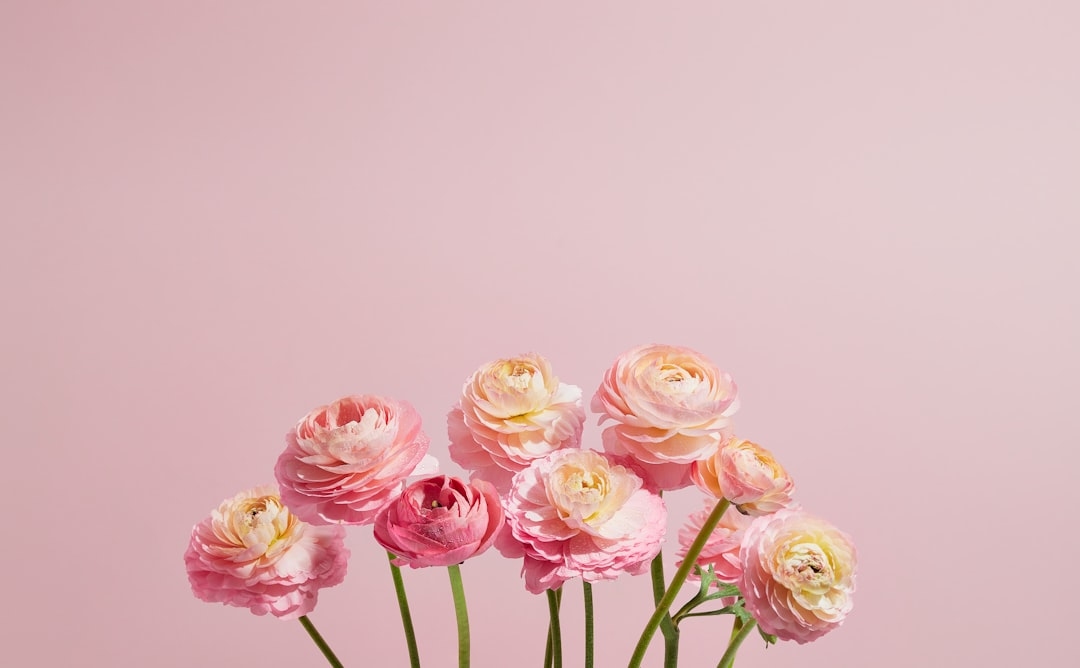
A single type of flower–tulips, hydrangeas, ranunculus–commanding all the attention. No filler. No distractions. Monobotanical arrangement design is shaking up the floral design scene, seen everywhere from modern weddings in Brooklyn to boutique hotel lobbies in L.A. This style turns the spotlight on the unique lines, textures, and personalities of just one floral variety. Intrigued? Let’s dig into how and why monobotanical arrangements work, and why more American florists are falling for this “one flower, many stems” approach.
What Is Monobotanical Arrangement Design? (Featured Snippet)
Monobotanical arrangement design means creating floral displays using only one type of flower. For example, an arrangement made entirely of white peonies or vibrant orange tulips, without mixing in other flower varieties or greenery. This style emphasizes the natural beauty, form, and texture of a single botanical element–often resulting in a modern, striking look that’s both easy to execute and impactful.
Why Choose Monobotanical Arrangements?
Simplicity with Maximum Impact
Imagine walking into a room and seeing 30 dahlias, all coral pink, massed together in a glass cylinder. That’s a visual punch. “Monobotanical designs are the floral world’s answer to minimalism,” says Sara Nguyen, owner of Spruce Studio (Seattle, AIFD). “They’re expressive, focused, and incredibly versatile for American homes.”
Highlights:
- Ease of sourcing: Bulk stems from US flower farms (like Sun Valley or California Flower Mall) save time and cost.
- Consistency: Single-flower designs work for modern events, classic dinner tables, or corporate settings.
- Trending in 2026: Pinterest reported a 47% spike in searches for “one flower arrangements” between 2024 and 2026.
A Designer’s Secret Weapon
Professional florists often use monobotanical arrangements for statement pieces–weddings, retail displays, even subscription boxes. Why?
- Shorter design time: No fussing with mixing textures.
- Predictable pricing: 25 garden roses at $3.50/stem for a $90 arrangement, no surprise filler costs.
- Flexibility: Scale up for drama, scale down for subtlety.
“When you want to showcase the beauty of a flower, nothing else should compete for attention.”
– Marcus Hill, Lead Designer, Brooklyn Botanical Design
Best Flowers for Monobotanical Arrangements
Some blooms shine solo. Others… not so much. Picking the right flower is 90% of success in monobotanical design.
| Flower Type | Seasonality (US) | Vase Life | Style Notes |
|---|---|---|---|
| Peonies | April-June | Short (5-7 days) | Romantic, lush, high-impact |
| Ranunculus | Jan-May | Medium (7-10 days) | Light, whimsical, modern |
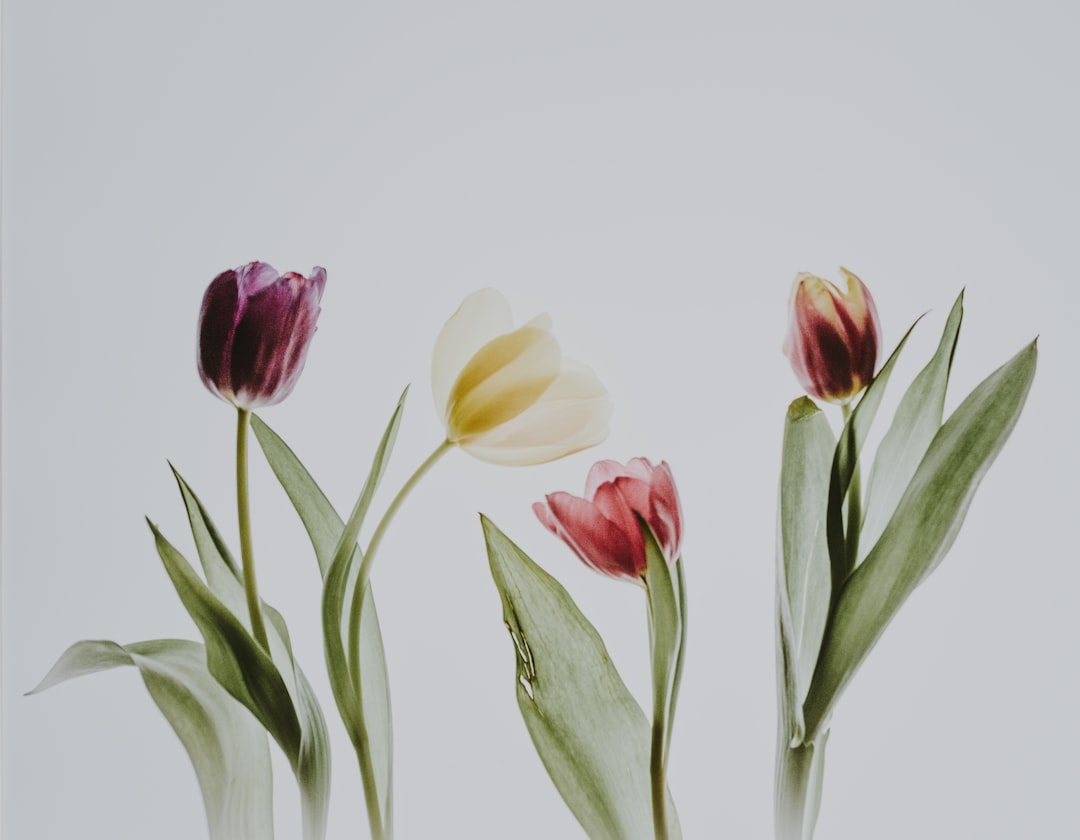
| Tulips | Dec-May | Medium (7-10 days) | Fresh, classic, contemporary |
| Hydrangeas | Year-round | Short (5-8 days) | Voluminous, great for drama |
| Roses | Year-round | Long (10-14 days) | Iconic, versatile, formal or casual |
| Sunflowers | Jun-Oct | Medium (6-10 days) | Rustic, cheerful, bold |
| Calla lilies | Year-round | Long (10-14 days) | Sleek, sculptural, elegant |
| Anemones | Dec-May | Medium (7-10 days) | Bold, graphic, trending |
Pro tip: Avoid hyper-delicate blooms (like sweet peas) for large monobotanical pieces–they wilt too fast for most US delivery timelines.
How to Design a Monobotanical Flower Arrangement
The Essentials: Stems, Vessels, and Prep
- Buy in Bunches: Most US flower wholesalers and delivery services (e.g., FiftyFlowers, Farmgirl Flowers) offer bunches in 10-25 stems. For a centerpiece, 15-20 stems typically fill a medium vase.
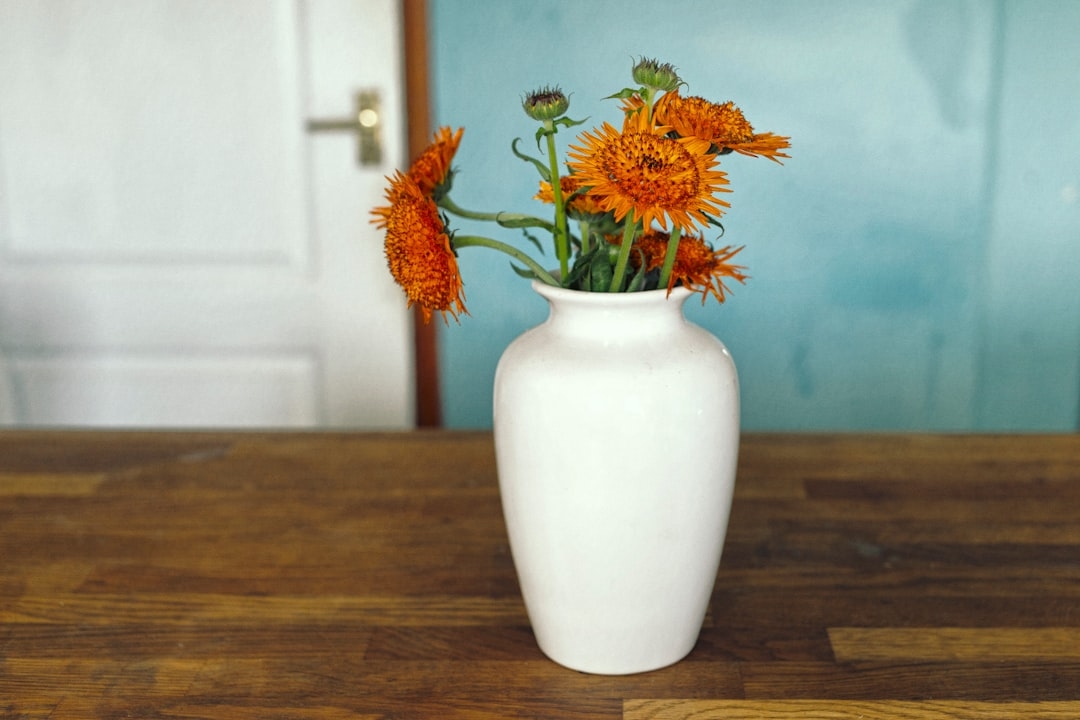
- Choose the Right Vessel: The vase should fit the mood and structure of your chosen flower. Tulips? Tall, narrow cylinder. Hydrangeas? Low, wide bowl.
- Prep and Condition: Strip leaves below the water line, trim stems at an angle, and hydrate for at least 3 hours before arranging.
Arranging Techniques
Massing
Group stems closely for a lush, dense feel. Works beautifully with peonies, ranunculus, and roses.
Layering Heights
Stagger heights for dimension. For example, let some tulip heads arch and others stand tall.
Linear Arrangements
Align stems in a bold row for a modern look–think a line of calla lilies spanning a long tray.
Key Details
- Use odd numbers of stems (e.g., 9, 11, 21) for natural harmony.
- Rotate the arrangement as you build, so it looks good from all angles.
- Replenish water daily–monobotanical bundles can drink a surprising amount.
Monobotanical vs. Mixed Flower Arrangements: Quick Comparison
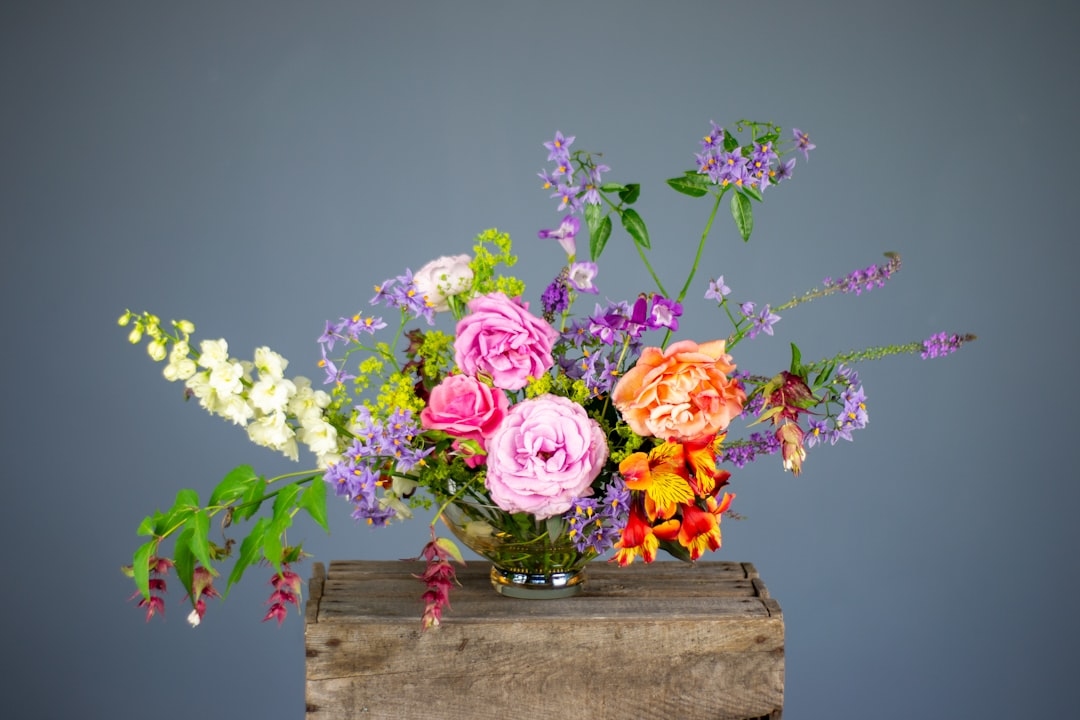
Florists and flower lovers often ask: is it better to create an arrangement with just one flower, or mix several varieties? Here’s a straightforward look:
| Feature | Monobotanical | Mixed Flower Arrangements |
|---|---|---|
| Visual Impact | Bold, simple focus | Complex, layered interest |
| Skill Level | Easier to design | Requires more technique |
| Cost | Often less expensive | Can be pricier (due to variety) |
| Longevity | Stems die together | Some outlast others |
| Seasonal Flexibility | Best with in-season | Mix out-of-season blooms |
| Styling Time | Quicker | Slower (balancing colors/textures) |
Monobotanical Flower Arrangements for Weddings and Events
Why Couples and Planners Love the Look
The monobotanical trend has major appeal for weddings and events in 2026. “We’re doing full peony tablescapes that look almost cloud-like, and couples love the clean, Instagram-ready visuals,” shares Lydia Mason, creative director at Gathered Events, Austin. Planners favor these arrangements for:
- Sourcing efficiency: Bulk orders save money.
- Customization: Match the single flower to a brand color or wedding theme.
- Sustainability: Less variety means less waste–important for eco-conscious clients.
Pricing Realities
- White rose monobotanical bouquets: Around $95-150 each for premium stems in US cities.
- Peony centerpiece (in season): $120-200 per table at high-end weddings.
- DIY event kits (from sites like BloomsByTheBox): Start at $65 for 20 stems.
Aesthetics for Every Event
Not just for weddings–think corporate entryways, hotel bars, or holiday parties. Masses of blue hydrangea or yellow tulips can redefine a space with a single palette.
Care and Maintenance Tips for Monobotanical Arrangements
Keeping these arrangements looking sharp is straightforward–another reason they’re so popular.
- Change water daily–stems clumped together need hydration.
- Keep out of direct sunlight–heat can wilt monochromatic displays fast.
- Re-cut stems every 2-3 days–maximizes vase life.
- Remove spent blooms quickly to prevent bacteria.
“A single flower type makes troubleshooting easier. If something wilts, you know exactly which batch was off,” notes Carlos Jimenez, Chicago-based florist and contributor to Floral Review Journal.
Monobotanical Arrangements in the US: Where to Shop and What’s Trending in 2026
Buying Fresh Monobotanical Arrangements
- Local florist shops: Many now offer “by the bunch” arrangements. Standouts: UrbanStems (NYC, DC), Flora2000 (California), and The Bouqs Co. (nationwide).
- Subscription services: Farmgirl Flowers and BloomsyBox offer monthly single-flower deliveries–great for home or office.
Trending Flowers in US Cities
- NYC/Boston: Ranunculus and anemones (spring), all-white peonies (early summer).
- L.A./San Francisco: Bright tulips and protea in contemporary glass vases.
- Midwest: Sunflowers and roses remain perennial favorites for homes and offices.
Pop Culture Shoutouts
2026’s top celebrity event? Zendaya’s Vogue cover shoot featured a monobotanical cascade of 700 golden daffodils. That photo racked up 9 million likes in a week.
Monobotanical Arrangement Design FAQ
What is a monobotanical arrangement?
A monobotanical arrangement is a floral design made using only one type of flower, such as a bouquet of entirely peonies or tulips, without mixing in other varieties or greens.
Are monobotanical arrangements cheaper than mixed arrangements?
They can be. Using one flower type allows florists to buy in bulk, often reducing costs. However, if you choose luxury blooms (like peonies out of season), prices can still be high.
Which flowers last longest in a monobotanical arrangement?
Roses and calla lilies tend to have the best vase life, often lasting 10-14 days with proper care, making them excellent choices for monobotanical designs.
Can monobotanical arrangements be used for formal events?
Absolutely. Many high-end events and weddings in the US now feature monobotanical centerpieces for a modern, sophisticated look.
How do I keep my monobotanical arrangement fresh?
Change the water daily, recut stems every 2-3 days, keep out of direct sun, and remove any wilted flowers at once.
Make Your Mark with a Monobotanical Statement
This year, set your table, office, or next event apart with the quiet drama of a monobotanical arrangement. Challenge yourself: pick a flower–just one–and see how many moods you can create by varying the vase, height, or color. Experiment. Tweak. You might be surprised by the power of simplicity in a world that loves more, more, more. And if you discover a favorite bloom, let it shine in numbers. American florists and flower lovers alike agree: sometimes, one really is enough.