Contents:
- What Is a European Hand-Tied Bouquet? – Fast Facts
- Supplies You’ll Need for a Hand-Tied Bouquet
- Your Toolkit
- Flower Selection
- Step-By-Step: Making a European Hand-Tied Bouquet
- Condition Your Flowers
- Create a Focal Point
- Spiral the Stems
- Add Filler and Texture
- Bind the Stems
- Finish and Trim
- Key Differences: European Hand-Tied Bouquet vs. Traditional American Bouquet
- Top Tips for Stunning Hand-Tied Bouquets
- Choose the Right Flowers for the Season
- Play With Texture and Color
- Hydration Is Everything
- Presentation Makes a Difference
- Sourcing Flowers in the US: Where to Buy
- Pull-Quote
- FAQ: European Hand-Tied Bouquets
- What makes a European hand-tied bouquet different from a regular bouquet?
- How long will a hand-tied bouquet last out of water?
- Can I make a European hand-tied bouquet with grocery store flowers?
- What ribbon should I use for wrapping?
- How much does a European hand-tied bouquet cost in 2026?
- Want to Level Up? Try a Wild Meadow-Style Bouquet
European Hand-Tied Bouquet – Step-by-Step
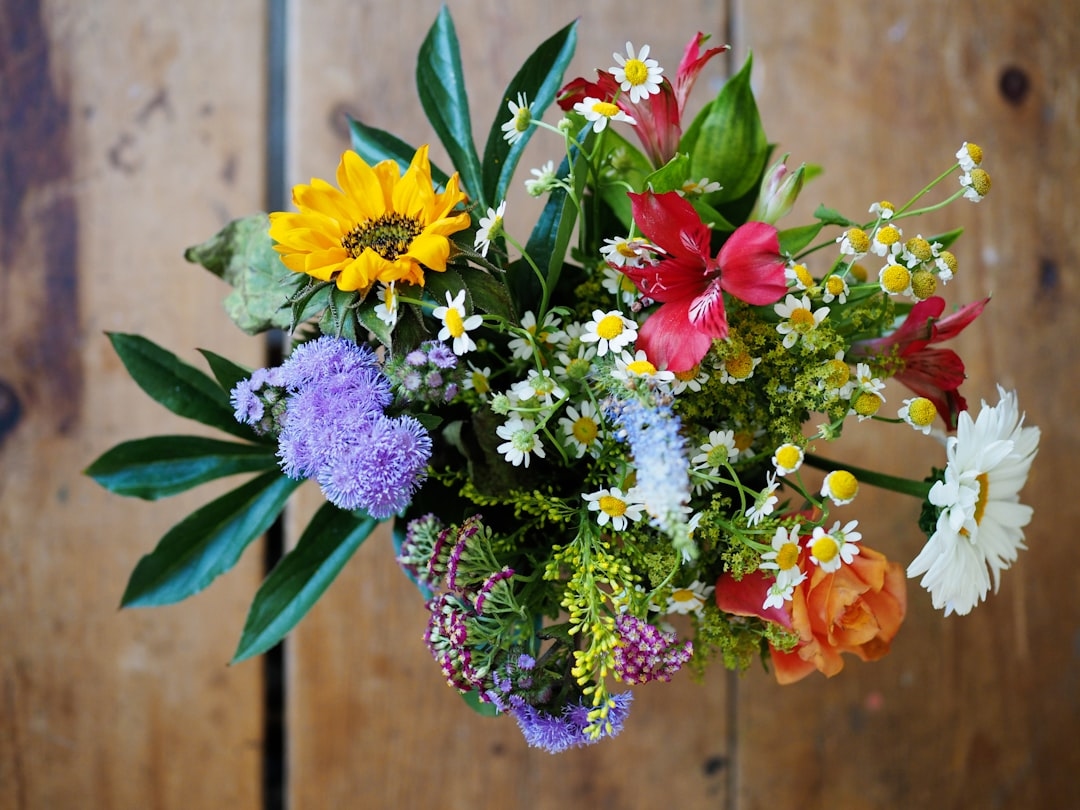
On a crisp June morning in Seattle, six out of ten wedding bouquets will be European hand-tied. This isn’t just a trend–it’s a classic that speaks the language of loose elegance and effortless artistry. The hand-tied bouquet, a staple on Pinterest and at local flower shops like Olive & Cocoa or UrbanStems, has found its forever home in the heart of American floristry.
What Is a European Hand-Tied Bouquet? – Fast Facts
- Definition: A European hand-tied bouquet is a floral arrangement where stems are spiraled and held in one hand, resulting in a rounded, airy, and natural look.
- Why popular: The structure showcases each flower individually and suits both formal events and casual gifting.
- Signature look: Loosely gathered, lush, and often wrapped with twine or ribbon–never crammed into foam or tape.
In short: The European hand-tied bouquet blends old-world tradition with modern American style.
Supplies You’ll Need for a Hand-Tied Bouquet
Your Toolkit
Before you start, make sure you have:
- Sharp floral shears ($18 on Amazon; Felco or Fiskars recommended)
- Floral tape (waterproof, $4-$7 per roll)
- Twine or thin ribbon
- Clear glass vase or bucket filled with clean water
- Flower food packets (often free with flower orders)
- Pruning knife (optional for woody stems)
- Work surface (clean island or table)
Flower Selection
Pick 3-5 varieties for texture and interest. For June-August, these are in season and widely available across the US:
- Peonies (main flower, $4-$7/stem)
- Garden roses
- Ranunculus
- Eucalyptus
- Lisianthus
- Waxflower (for filler)
According to Alexis Tran, AIFD-certified florist in Portland, “The best bouquets mix locally grown focal blooms with at least one textural or trailing accent.”
Step-By-Step: Making a European Hand-Tied Bouquet
1. Condition Your Flowers
Remove all leaves below the water line. Cut stems at a 45° angle, about an inch from the bottom. Let them drink in cool water with flower food for at least 30 minutes.
“Hydration isn’t optional–thirsty flowers wilt in record time, especially if you’re prepping for a summer event,” says Leslie Moore, owner of The Wild Stem, Austin TX.
2. Create a Focal Point
Hold the largest flower (often a big-headed rose or peony) in your non-dominant hand. This is the center of your bouquet.
3. Spiral the Stems
Add the next flower at a slant, crossing stems diagonally over your thumb. Turn the bouquet slightly after each stem. Keep adding blooms and accents, always at an angle, always turning. This ‘spiral technique’ is the heart of the European hand-tied style.
Quick list: Spiral Technique ‘Dos’
- Always add stems at an angle (never straight up and down)
- Rotate bouquet a little after each addition
- Vary height and flower types for a natural finish
- Check for gaps by viewing from above
4. Add Filler and Texture
Tuck in eucalyptus, astilbe, or filler flowers toward the outer edges. Make sure greenery peeks out, softening the outline.
5. Bind the Stems
Secure the bouquet with floral tape wrapped firmly (but not crushingly) just below your hand. Wrap with ribbon or twine, leaving 2-3 inches of the stems exposed.
6. Finish and Trim
With your bouquet still in hand, trim all stems to an even length–about 8-10 inches is standard for table vases or bridal bouquets.
Place immediately in clean water.
Key Differences: European Hand-Tied Bouquet vs. Traditional American Bouquet
| Feature | European Hand-Tied | Traditional American |
|---|---|---|
| Structure | Spiral, loose, airy | Symmetrical, tight |
| Binding | Tape & ribbon/twine | Florist’s foam, wire |
| Flower placement | Variable height | Uniform height |
| Style | Natural, relaxed | Formal, compact |
| Price (avg./bouquet) | $55-$110 | $70-$130 |
“European hand-tied bouquets highlight each stem. American tradition loves a dome shape, sometimes with a little too much symmetry,” says Carmen Shelby, MFA, Senior Designer at Petal & Stem, Chicago.
Top Tips for Stunning Hand-Tied Bouquets

Choose the Right Flowers for the Season
- Spring: tulips, hyacinths, anemones
- Summer: dahlias, sunflowers, zinnias
- Fall: chrysanthemums, celosia, berries
- Winter: amaryllis, hellebores, evergreens
Play With Texture and Color
Mix big, fluffy blooms with delicate fillers. Pair a classic blush rose with trailing eucalyptus. Don’t be afraid to add a single, unexpected bloom (like a blue thistle or a stem of local wildflowers).
Hydration Is Everything
Keep finished bouquets in cool water and refrigerate overnight if prepping for the next day.
Presentation Makes a Difference
A hand-tied bouquet looks best with a loose satin wrap or raw silk ribbon–try tonal shades for extra polish.
Sourcing Flowers in the US: Where to Buy
- Local florists: Always the best for fresh, seasonal options and local advice.
- Flower farms: Search “U-pick flower farm [your city]” for DIY options.
- Online: UrbanStems, The Bouqs Company, and Farmgirl Flowers ship overnight, often with American-grown blooms.
- Wholesale for big events: Sam’s Club, Costco, and FiftyFlowers.com all offer bulk stems for weddings or large parties.
In 2026, over 38% of US consumers prefer to source flowers directly from local growers, supporting freshness and sustainability (National Florist Federation survey, May 2026).
Pull-Quote
“A true hand-tied bouquet is like a snapshot of nature–open, wild, and always a little bit unexpected.”
– Isabella Moretti, Lead Designer, Bloom Society NYC
FAQ: European Hand-Tied Bouquets
What makes a European hand-tied bouquet different from a regular bouquet?
A European hand-tied bouquet uses a spiral technique to arrange stems, creating a loose, rounded, and natural shape without the use of floral foam. Traditional American bouquets are often tighter and more symmetrical, usually built in a flower holder or foam base.
How long will a hand-tied bouquet last out of water?
Most hand-tied bouquets last 2-4 hours out of water in cool conditions, but prolonged exposure, heat, or direct sun will decrease freshness. Place back into water as soon as possible.
Can I make a European hand-tied bouquet with grocery store flowers?
Yes! Select the freshest-looking stems, prep them by removing leaves and thorns, and follow the spiral hand-tying technique. Trader Joe’s and Whole Foods offer solid selections for under $30.
What ribbon should I use for wrapping?
Natural fiber ribbons like silk, linen, or velvet in neutral tones are popular for weddings. For everyday gifts, classic satin or cotton twill does the trick.
How much does a European hand-tied bouquet cost in 2026?
Prices range from $55-$110 at US florists for a standard hand-tied, with premium wedding bouquets reaching $200+ depending on flower types and size.
Want to Level Up? Try a Wild Meadow-Style Bouquet
Once you’ve mastered the classic hand-tied style, experiment with asymmetrical shapes or foraged local greens–think meadow in your hands. For extra longevity, source flowers from nearby growers or try a flower subscription (UrbanStems’ “The Seasonal” starts at $60/month). With every bouquet, you’re not just arranging flowers. You’re shaping a little bit of joy, stem by stem.