Contents:
- Why Do Flowers Make Us Happy? (Direct Answer)
- The Science: Blossoms and the Brain
- Cultural Roots: Why American Traditions Prize Flowers
- The Language of Flowers
- Flowers as Stress-Relief: The Wellness Connection
- Flowers in Therapeutic Settings
- At Home and Work
- Flowers and Emotional Expression
- The Power of Surprise
- Gender & Generational Differences
- Choosing the Right Flowers: Personalized Happiness
- Tips from Professional Florists
- Frequently Asked Questions
- Why do flowers instantly boost our mood?
- Are certain flowers more effective at making people happy?
- How long do the positive effects of receiving flowers last?
- Do artificial flowers have the same psychological effect?
- Is it better to buy flowers locally or order online?
- How to Harness the Mood-Boosting Power of Flowers–Today
The Psychology Behind Why Flowers Make Us Happy
Picture this: a friend hands you a brilliant bouquet just because. Instantly, you feel lighter. Your smile grows; maybe you even stand a little taller. Scientists have tracked these reactions. According to a 2026 poll by the Society of American Florists, 87% of Americans reported an improvement in mood after receiving flowers–even if only a single stem. Why? The answer lies deep within our biology, culture, and daily rituals.
Why Do Flowers Make Us Happy? (Direct Answer)
Flowers make us happy because they trigger positive emotional responses in our brain. Their bright colors, appealing scents, and natural beauty activate the release of dopamine and oxytocin–chemicals linked to pleasure and bonding. Research from Rutgers University found that flowers produce a “true smile” reaction, lowering stress and increasing feelings of connection. In short: flowers are a visual and olfactory cue that lights up our senses and reminds us of growth, hope, and being cared for.
The Science: Blossoms and the Brain
Flowers aren’t just pretty–they’re practically wired into our neural circuitry for joy. Dr. Linda Pierce, PhD in Environmental Psychology, describes flowers as “micro-dose triggers” for happiness. A 2024 meta-study in The Journal of Positive Psychology explains:
- Visual Impact: Our brains are evolutionarily attuned to colors found in healthy, blooming plants. These signal abundance and safety.
- Olfactory Influence: Fragrances like lavender, rose, and jasmine lower cortisol (the stress hormone) by up to 30%, according to a UCLA clinical trial (2023).
- Touch Matters Too: The tactile act of arranging, gifting, or even touching petals boosts oxytocin, sometimes called the “cuddle hormone.”
“To the human mind, a flower means life–a sign that something is thriving,” says florist and mindfulness instructor Mallory Chen, owner of BloomWell in Denver, CO. “It’s hard not to smile in the presence of that energy.”
Cultural Roots: Why American Traditions Prize Flowers
Bouquets aren’t just for weddings and apologies. Americans spend over $6 billion on flowers every Valentine’s Day and Mother’s Day, based on data from the National Retail Federation (2026). But why such deep tradition?
- Historical Rituals: Native American tribes used wildflowers in healing circles, recognizing their spirit-lifting power.
- Modern Symbolism: From presidential inaugurations to Super Bowl halftime shows, flowers underscore both celebration and commemoration.
- Everyday Gestures: Flower delivery services like 1-800-Flowers, UrbanStems, and Floom let people send joy coast-to-coast, often same-day.
The Language of Flowers
The “floriography” craze of the 19th-century hasn’t left us–roses still mean love, sunflowers joy, lilies remembrance. Americans continue to “talk” with their flowers, making each bouquet a personalized message.
| Flower Type | Common Meaning | Popular Occasion |
|---|---|---|
| Red Rose | Love, Passion | Valentine’s Day |
| Sunflower | Happiness, Energy | Graduation |
| White Lily | Sympathy, Purity | Funerals |
| Tulip | Renewal, Cheer | Spring Gifting |
| Orchid | Admiration, Luxe | Corporate Gifts |
Flowers as Stress-Relief: The Wellness Connection
Florists across the US have seen a 40% increase in flower subscriptions since 2023, according to BloomNation. This isn’t just about home décor. It’s about everyday mental health.
Flowers in Therapeutic Settings
Hospitals that integrate flowers–like the Cleveland Clinic and Mayo Clinic–report shorter patient recovery times and higher satisfaction scores. A 2022 Harvard study found that patients with flowers in their rooms required 15% less pain medication.
At Home and Work
A bunch of daisies on the kitchen counter. A desktop succulent at the office. American companies like The Bouqs Company even offer weekly floral deliveries for remote workers to help stave off burnout.
<ul>
<li>Reduces anxiety and tension by fostering “micro-moments” of joy</li>
<li>Boosts creativity and focus–studies show a 20% uplift in cognitive performance when flowers are present in workspace</li>
<li>Fosters a sense of connection, even in digital-first environments</li>
</ul>
Flowers and Emotional Expression
American society often struggles to say what we feel. Flowers step in as gentle, meaningful messengers. According to flower expert Diane Sato, AIFD, “A bouquet can say ‘I love you,’ ‘I’m sorry,’ or ‘You matter’–sometimes more effectively than words.”
The Power of Surprise
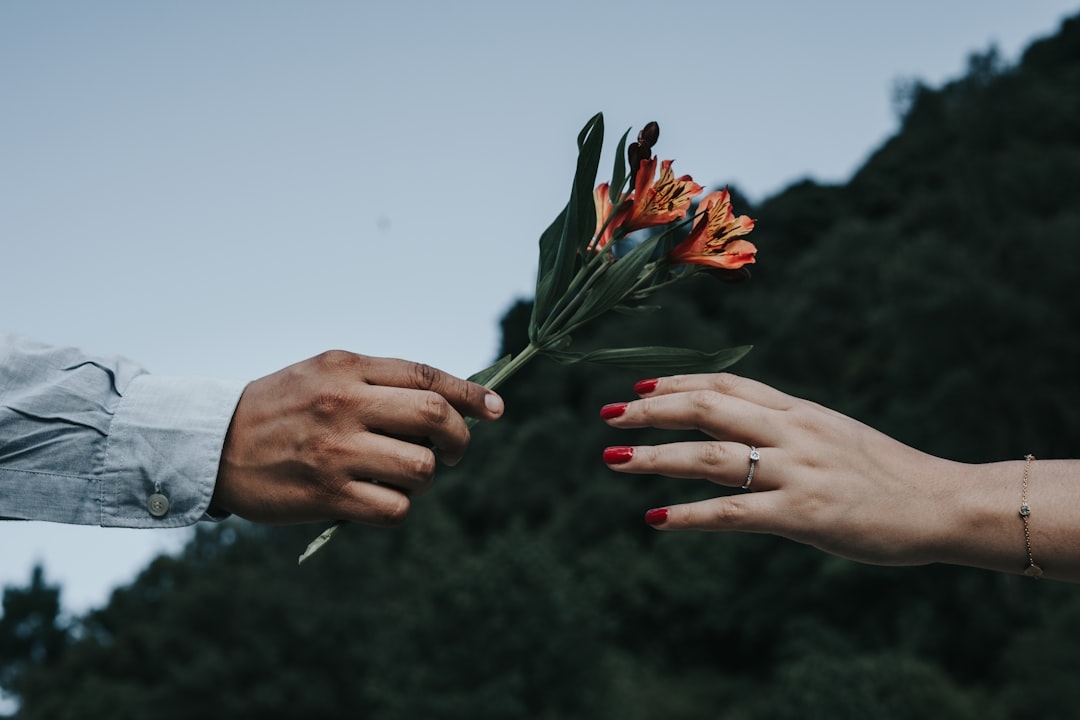
Rutgers University research (2022) shows the emotional lift is even stronger when flowers are unexpected. Participants who received surprise bouquets experienced a 66% improvement in mood markers compared to those who bought flowers for themselves.
Gender & Generational Differences
Millennials are more likely to buy “just because” flowers, while Gen X prefers occasion-based gifting. Men increasingly use floral gifts to express friendship or gratitude, not just romance.
Choosing the Right Flowers: Personalized Happiness
The best flowers for happiness aren’t about price (though luxury bouquets from Venus et Fleur can run over $400). It’s about relevance and meaning.
Tips from Professional Florists
- Consider Favorite Colors: Blue hydrangeas for tranquility, bright gerbera daisies for energy.
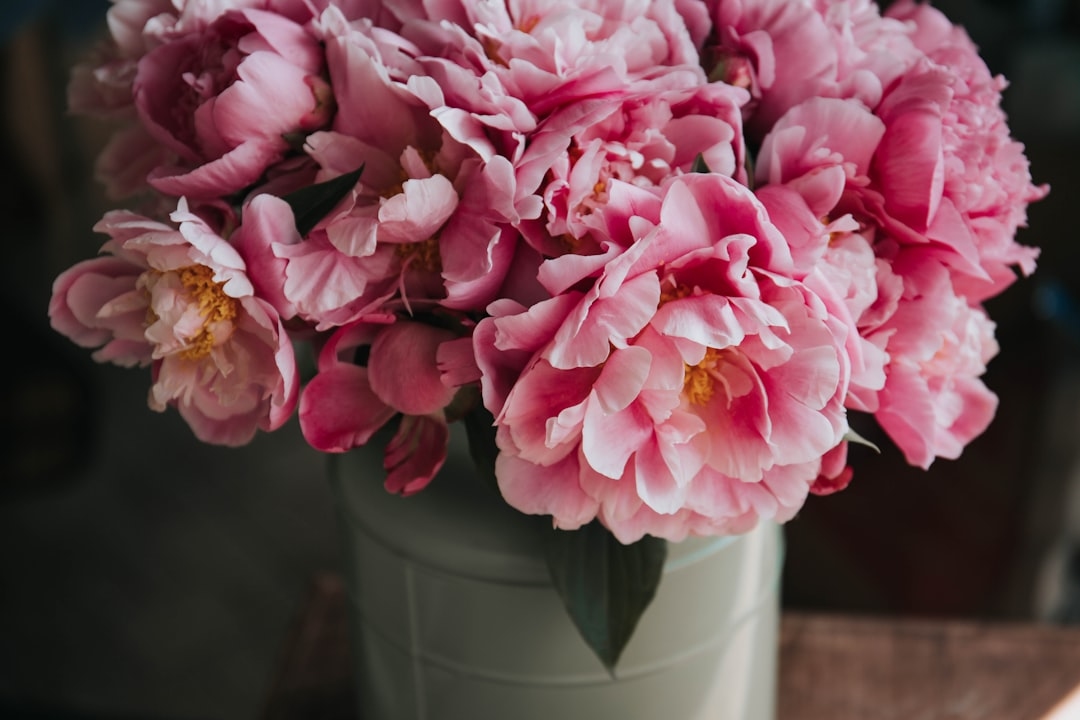
- Add Fragrance: Gardenias and peonies are best for scent-lovers.
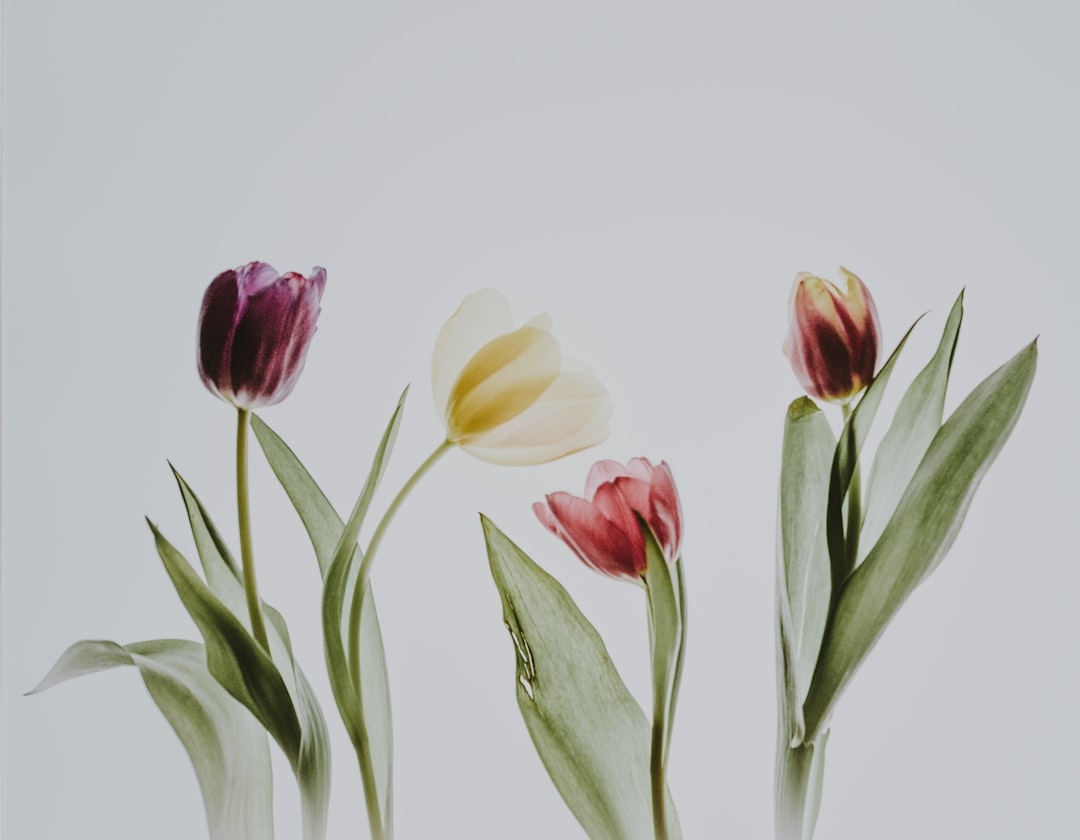
- Seasonal Blooms: Opt for tulips in spring, dahlias in late summer.
- Eco-Friendly Picks: US-grown options from farms like Sun Valley Floral or eco-conscious brands like Farmgirl Flowers.
Cost tip: In 2026, a hand-tied bouquet from a local florist averages $55-$75, while major delivery brands start at $39 for standard arrangements.
“There’s no one-size-fits-all bouquet,” says Jorge Velez, Master Florist of Atlanta Flower Studio. “The perfect flowers are the ones that anticipate a person’s emotional needs–sometimes that’s a wild sunflower, sometimes a single yellow rose.”
Frequently Asked Questions
Why do flowers instantly boost our mood?
Flowers boost mood almost instantly because their colors, shapes, and scents stimulate the parts of our brain associated with pleasure, safety, and social connection. Studies show a visible effect on facial expressions and stress reduction within seconds to minutes after receiving fresh flowers.
Are certain flowers more effective at making people happy?
Yes, certain flowers like sunflowers, peonies, and tulips are especially effective due to their bright colors and energizing shapes. Scented flowers such as lavender and jasmine also have proven mood-boosting and anxiety-reducing effects.
How long do the positive effects of receiving flowers last?
According to a 2025 Rutgers study, the mood-lifting benefits of receiving flowers can last up to three days, with some people reporting lingering feelings of happiness for a full week after receiving a bouquet.
Do artificial flowers have the same psychological effect?
While artificial flowers can brighten up a room, genuine fresh flowers have a stronger impact on mood due to their natural scent, texture, and the sense of living beauty. Most studies focus on the effect of real, living flowers.
Is it better to buy flowers locally or order online?
Buying locally often means fresher flowers and supports small businesses. However, online services like UrbanStems and The Bouqs Company offer convenience and nationwide delivery, making it easier to send happiness even from afar.
How to Harness the Mood-Boosting Power of Flowers–Today
Want to put the psychology of flowers to work in your own life? Try this: pick up a small bunch of seasonal blooms from your local market (or order a surprise delivery for someone you love). Place them in your workspace, or gift them with a simple note. Notice the subtle lift in mood–yours and theirs. If you make fresh flowers a part of your routine–even just once a month–you’re not just decorating. You’re investing in everyday happiness, backed by science and centuries of human tradition.
Next time you see a burst of color in a neighbor’s window or on a city sidewalk, remember: it’s more than just decoration. It’s a cue to smile, to breathe in, and to connect–with others and with yourself.