Contents:
- How to Take Instagram-worthy Flower Photos at Home (Direct Answer)
- Find Your Best Light: Why Window Sills Win
- The Golden Hours
- Create a Flower-Friendly Photo Setup
- Backdrops Matter
- Props (Less is More)
- Master the Art of Flower Arranging for Photos
- Choose the Right Blooms
- Arrange Like a Pro
- Water and Freshness
- Phone vs. Camera: What Actually Matters for Flower Photos?
- Shooting Tips: Angles, Focus, and Composition
- Angles That Flatter
- Focus and Depth
- Composition Rules
- Editing Like a Florist-Photographer
- Best Editing Apps in 2026
- Key Edits
- Posting and Hashtagging for Maximum Likes
- When to Post
- Hashtags that Work
- Trending: Flower Flat Lays, Monochrome Bouquets, and More
- FAQ
- How can I keep my flowers looking fresh for photos?
- What are the best flowers for Instagram photos?
- Do I need a ring light for flower photography at home?
- How do I avoid blurry flower photos with my phone?
- What’s the best way to edit flower photos for Instagram?
Instagram-worthy Flower Photos at Home
The vase of peonies on your kitchen counter could be just as mesmerizing as the arrangements at your favorite local florist. According to a 2025 survey by Statista, 72% of US Instagram users say fresh flowers pop up in their feeds at least weekly. With Americans spending an average of $155 on flowers each year, it’s clear: beautiful blooms deserve gallery-level photos, not just quick snaps. Yet, getting those double-tap-worthy shots in your own living room can feel intimidating. It doesn’t have to be.
How to Take Instagram-worthy Flower Photos at Home (Direct Answer)
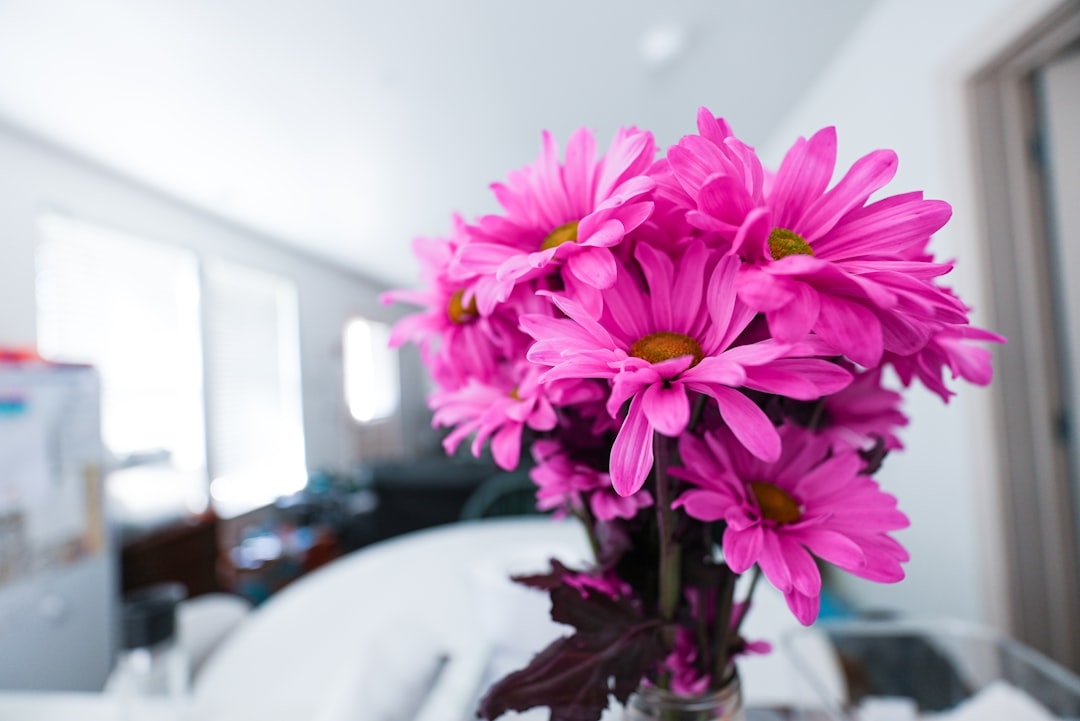
To capture Instagram-worthy flower photos at home, use natural window light, choose uncluttered backgrounds, and arrange your flowers with varying heights and focal blooms. Set your phone or camera to portrait mode for depth, clean your lens, and experiment with angles–shoot from above and side-on. Adjust the exposure to avoid blown-out whites, and use editing apps like VSCO or Lightroom for color tweaks. Fresh, well-hydrated blooms look best–arrange your bouquet just before photographing.
Find Your Best Light: Why Window Sills Win
Great flower photos start and end with lighting. Most pro florists agree: nothing beats daylight for bringing out true colors and petal texture. “Soft, indirect window light is the secret to those creamy, glowing shots you see from high-end florists like Farmgirl Flowers,” says Renae Gibson, Master Florist and owner of New Leaf Studio, Los Angeles.
The Golden Hours
- Early morning (7-9 AM) and late afternoon (4-6 PM) when sunlight is diffused work best.
- Direct midday sun can cause harsh shadows and blow out delicate petals.
- North or east-facing windows tend to deliver the most flattering, sustained light indoors.
Pro tip: Place a sheer white curtain or parchment paper over the window to soften strong rays without losing brightness.
Create a Flower-Friendly Photo Setup
Not all home setups are born equal when it comes to floral photography. A little staging goes a long way.
Backdrops Matter
Nothing ruins a gorgeous arrangement like a cluttered countertop in the background. Simple is best:
- Use a plain white or pale-colored wall.
- Large sheets of foam board (around $8 at Michaels) create seamless, neutral backgrounds.
- Wooden cutting boards, neutral linens, and aged tabletops offer organic texture.
Props (Less is More)
A single silk ribbon. Your favorite coffee mug next to a mini vase. One thoughtfully chosen prop adds story without stealing the show.
“A little negative space lets the flowers speak–and gives your photo room to breathe.”
– Renae Gibson, Master Florist
Master the Art of Flower Arranging for Photos
Even the fanciest camera can’t save a messy bouquet. Styling is everything.
Choose the Right Blooms
- Focal Flowers: Peonies, garden roses, lilies, and sunflowers photograph vibrantly.
- Fillers & Greens: Eucalyptus, waxflower, baby’s breath, or fern add fullness and texture.
- Seasonal blooms: Daffodils in spring, dahlias in summer, ranunculus in fall.
Pro data: According to 2026 FTD.com stats, the most Instagrammed flowers in the US are roses, tulips, and sunflowers.
Arrange Like a Pro
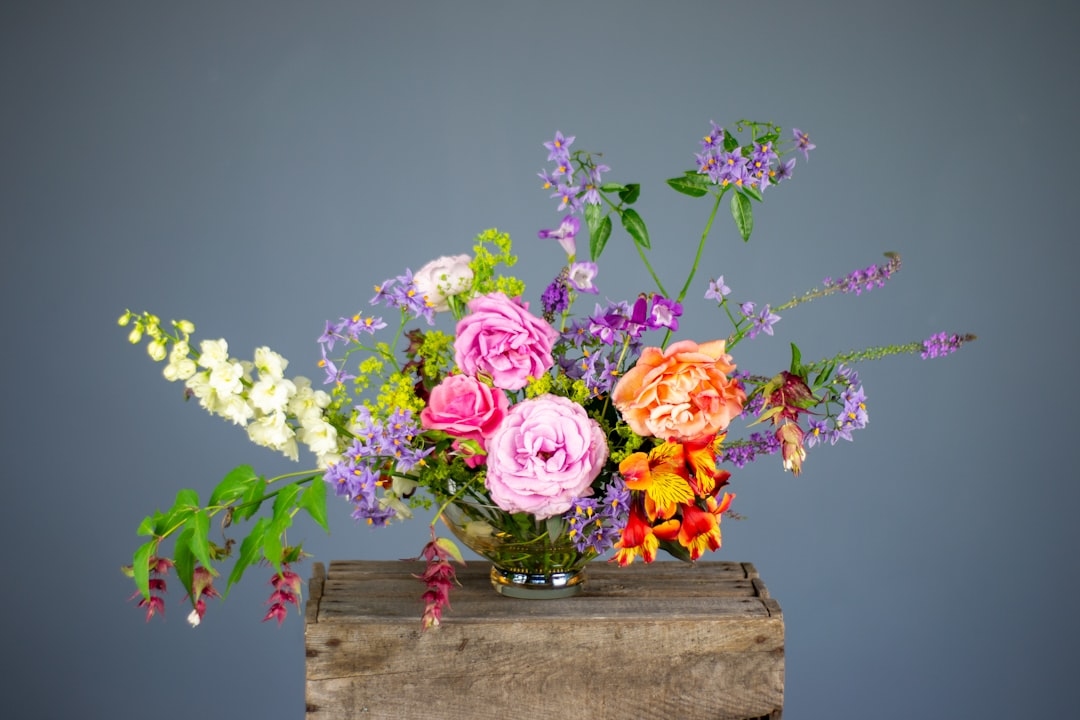
- Vary stem heights for dimension.
- Odd numbers (3, 5, 7 stems) look more natural and less stiff.
- Remove excess leaves under the water line to keep stems crisp.
- Stagger focal flowers so they don’t compete for attention.
Water and Freshness
Nothing droops faster on camera than under-watered stems. Fill vases 2/3 full, and shoot within an hour of arranging for the freshest look.
Phone vs. Camera: What Actually Matters for Flower Photos?
You don’t need a $1,500 DSLR to wow on Instagram. Smartphone cameras (think iPhone 16 Pro or Google Pixel 10) rival entry-level mirrorless cameras for floral photography in 2026.
| iPhone 16 Pro | Google Pixel 10 | Canon EOS R100 (DSLR) | |
|---|---|---|---|
| Portrait Mode | Excellent | Very Good | n/a (manual bokeh) |
| Ease of Use | Highest | High | Moderate |
| Editing App | Built-in & VSCO | Built-in & Snapseed | Lightroom, Photoshop |
| Price (USD) | ~$1,099 | ~$899 | ~$699 (body only) |
Bottom line: For Instagram, a recent phone plus a good eye wins every time. Clean your lens before shooting–and use the grid option to keep lines straight!
Shooting Tips: Angles, Focus, and Composition
Angles That Flatter
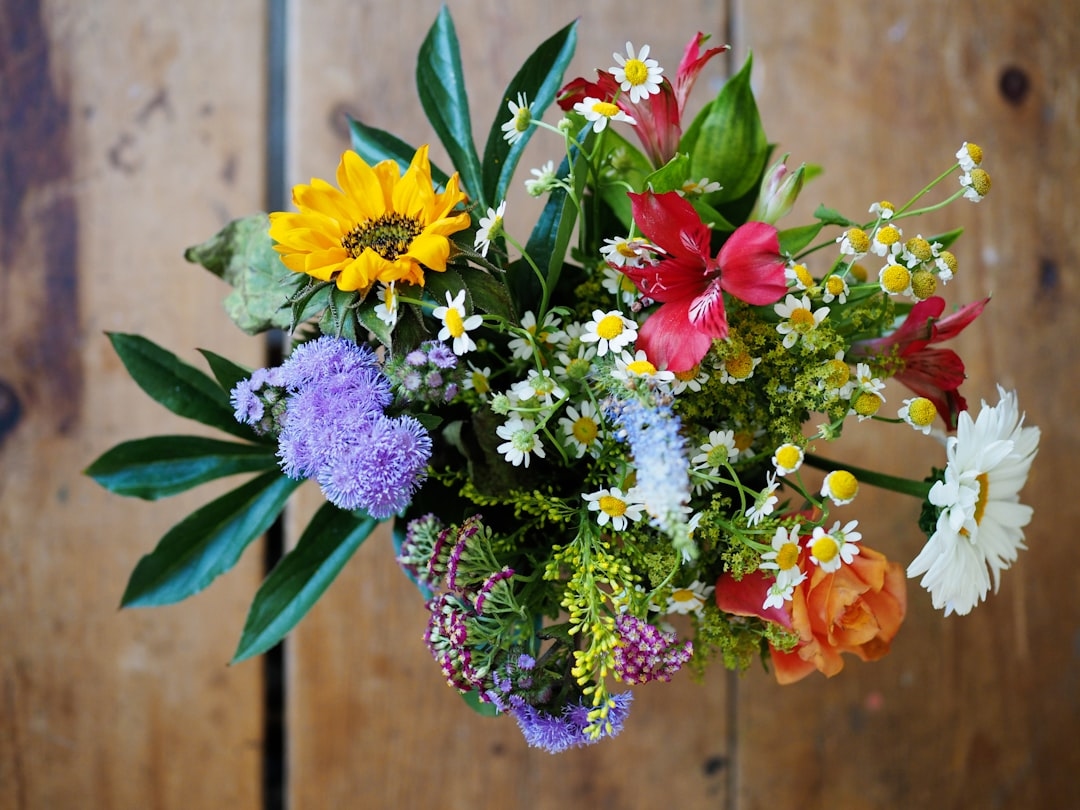
- Overhead (“Flat lay”): Great for mixed bouquets or flower flat lays on a table.
- Side-on: Captures petal layers, especially for roses, peonies, and ranunculus.
- Close-ups: Fill the frame with a single bloom for maximum “wow”.
Focus and Depth
- Tap to focus on the flower center.
- Use portrait mode or set “aperture” to f/1.8-f/2.8 for a dreamy, blurred background.
Composition Rules
- Rule of thirds: Place the main bloom off-center for dynamic tension.
- Leave breathing room at the edges–flowers cropped too tight can look awkward.
- Try negative space: half the photo empty, half bold with blooms.
Editing Like a Florist-Photographer
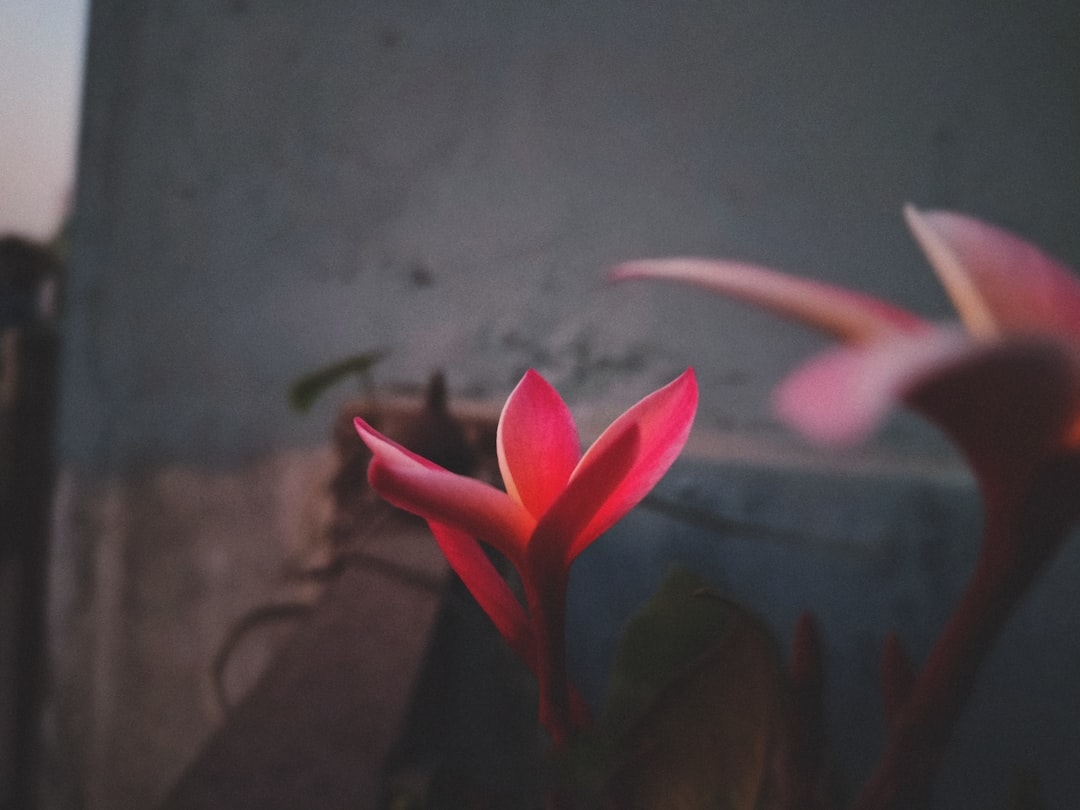
Editing isn’t cheating, it’s the finishing touch–all the top US florists do it.
Best Editing Apps in 2026
- VSCO X ($19.99/year): Classic film vibes, subtle color shifts
- Lightroom Mobile (free/basic, $59.99/year premium): Pro-level color and brightness controls
- Snapseed (free): Great for selective adjustments
Key Edits
- Brightness/Exposure: Bump up for airy looks, but avoid washed-out petals.
- Saturation: Slight boost for vibrancy–don’t overdo it.
- Sharpness/Clarity: Enhance petal details, but skip heavy sharpening (it looks fake).
- Crop/straighten: Eliminate distractions and correct crooked vases.
Color Correction
US home lighting often skews yellow. Use the “white balance” tool to bring whites back to true and keep greens from looking muddy.
Posting and Hashtagging for Maximum Likes
All that work deserves an audience. Timing and tagging boost your reach.
When to Post
Hootsuite’s 2025 analysis of US Instagram trends found:
- Best times for flower photos: Sundays and Wednesdays, 9-11 AM EST.
Hashtags that Work
Mix general and specific:
- #flowersofinstagram (over 120 million posts in 2026)
- #homedecor
- #peonies (swap in your flower type)
- #floraldesign
- #flowerphotography
- #myfloralhome
Keep location in mind: add #nycflowers, #losangelesflorist, or your city for local discoverability.
Trending: Flower Flat Lays, Monochrome Bouquets, and More
Instagram’s floral trends shift with the seasons.
- Flat-lay storytelling: Arrangements spread out on a linen cloth, surrounded by books, pastries, or coffee.
- Monochrome bouquets: One color, multiple textures (all-pink, all-white, etc.).
- Mini arrangements: Bud vases by your bedside, or a trio on your mantel.
- Edible flowers: Nasturtiums and pansies on cakes–not just for the garden!
Instagram Insights 2026 reports a 35% rise in US posts tagged #flowerflatlay since 2023.
FAQ
How can I keep my flowers looking fresh for photos?
To keep flowers fresh, trim stems at an angle, change water daily, and avoid direct sunlight or heat sources. Store them in a cool room until you’re ready to shoot. Mist petals lightly if they start to droop.
What are the best flowers for Instagram photos?
The most photogenic flowers for Instagram include peonies, garden roses, sunflowers, tulips, dahlias, and ranunculus. These varieties have vibrant colors and full, textured petals that stand out in photos.
Do I need a ring light for flower photography at home?
A ring light can help in low-light rooms, but natural daylight from a window usually gives better, softer results for flower photography. Ring lights may cause unnatural highlights on shiny petals.
How do I avoid blurry flower photos with my phone?
To prevent blur, stabilize your phone on a table or tripod, use both hands, and tap to focus on the main flower. Good lighting also lets your phone use a faster shutter speed.
What’s the best way to edit flower photos for Instagram?
For Instagram, use apps like VSCO or Lightroom to slightly increase brightness, adjust white balance to correct colors, and sharpen details. Avoid overly saturated or heavily filtered looks for a natural finish.
Feeling inspired? Challenge yourself to create one new flower photo setup each week. Try a monochrome bouquet in March, a wild, mixed arrangement in April, or a minimalist bud vase by your bedside for May. Bring a little more beauty–and plenty of likes–into your daily life. Happy arranging and snapping!