Contents:
- The Best Pollen-Free Flowers for Hospital Rooms (Quick Answer)
- Why Pollen-Free Matters in Hospitals
- Top Pollen-Free Flowers for Hospital Rooms
- Orchids
- Hydrangeas
- Roses (Tight-Budded Varieties)
- Lisianthus
- Carnations
- Anthuriums
- Hospital Room Flower Guide: What to Avoid
- How Florists Create Pollen-Free Arrangements
- Stem Preparation
- Arrangement Style
- Packaging & Delivery
- The Science: How Do Some Flowers Have Less Pollen?
- Hospital Policies on Flowers in 2026
- Ordering and Delivering Allergy-Friendly Flowers
- US Florist Options
- Timing and Etiquette
- Pull Quote
- FAQ: Pollen-Free Flowers for Hospitals
- What flowers are safe for hospital delivery?
- Why aren’t lilies allowed in hospitals?
- Can I bring potted plants instead of cut flowers?
- Are scented flowers allowed in hospital rooms?
- How do I know if a bouquet is truly pollen-free?
- Brighten Recovery–Thoughtfully
Pollen-Free Flowers for Hospital Rooms
A vase of flowers can be the difference between a stark hospital room and a healing sanctuary. But not every bloom is welcome–pollen can trigger allergies or even jeopardize a patient’s health. In 2026, as hospitals across the US tighten restrictions on what’s allowed bedside, finding the perfect pollen-free flower arrangement has become more than a thoughtful gesture; it’s a necessity.
The Best Pollen-Free Flowers for Hospital Rooms (Quick Answer)
Pollen-free flowers suitable for hospital rooms include orchids, hydrangeas, roses (especially tight-budded or “hothouse” varieties), lisianthus, carnations, and anthuriums. Opt for double-flowered or sterile varieties, as these are bred without pollen-producing parts. Avoid lilies, sunflowers, and daisies, which shed pollen readily.
For quick delivery, many US florists (such as Teleflora, UrbanStems, and 1-800-Flowers) offer arrangements marked as “allergy-friendly” or “hospital-safe.”
Why Pollen-Free Matters in Hospitals
Hospital policies aren’t being picky for no reason. Airborne pollen can irritate respiratory systems, especially in patients with asthma, immune-suppression, or post-surgical wounds. According to Dr. Marla Aneeson, PhD, Chief of Floriculture Allergy Research at St. Jude Medical Center, “As little as 10 micrograms of flower pollen per cubic meter can trigger symptoms in sensitive individuals. Hospitals need to minimize any preventable irritants.”
Pollen can:
- Worsen asthma and allergies
- Complicate recovery for chemotherapy or transplant patients
- Increase risk of infection for the immunocompromised
Most hospital guidelines (including Mayo Clinic and Mount Sinai, 2026) explicitly ban “high-shedding” flowers and plants. Nurses and hospital staff are increasingly trained to recognize and remove problematic arrangements at the door.
Top Pollen-Free Flowers for Hospital Rooms
Armed with this knowledge, here’s how to choose flowers that are both beautiful and accepted by hospital staff.
1. Orchids
Orchids have a reputation for elegance, but they’re also nearly pollen-free. Their pollen is sticky and enclosed, meaning it won’t float in the air.
- Popular types: Phalaenopsis (Moth Orchid), Cymbidium
- Longevity: 2-3 weeks with proper care
- Price range (2026): $40-$85 per arrangement
2. Hydrangeas
These lush, globe-shaped flowers are typically sterile and don’t release pollen. Hydrangeas add volume and color (white, blue, pink) to arrangements and symbolize gratitude–perfect for a get-well gift.
3. Roses (Tight-Budded Varieties)
Roses generally have less airborne pollen, especially those bred for cut-flower use.
“Most commercial roses sold in the US are hothouse-grown and bred to be pollenless, making them hospital-safe,” says Leah Riggins, AIFD-certified florist at Boston Blooms.
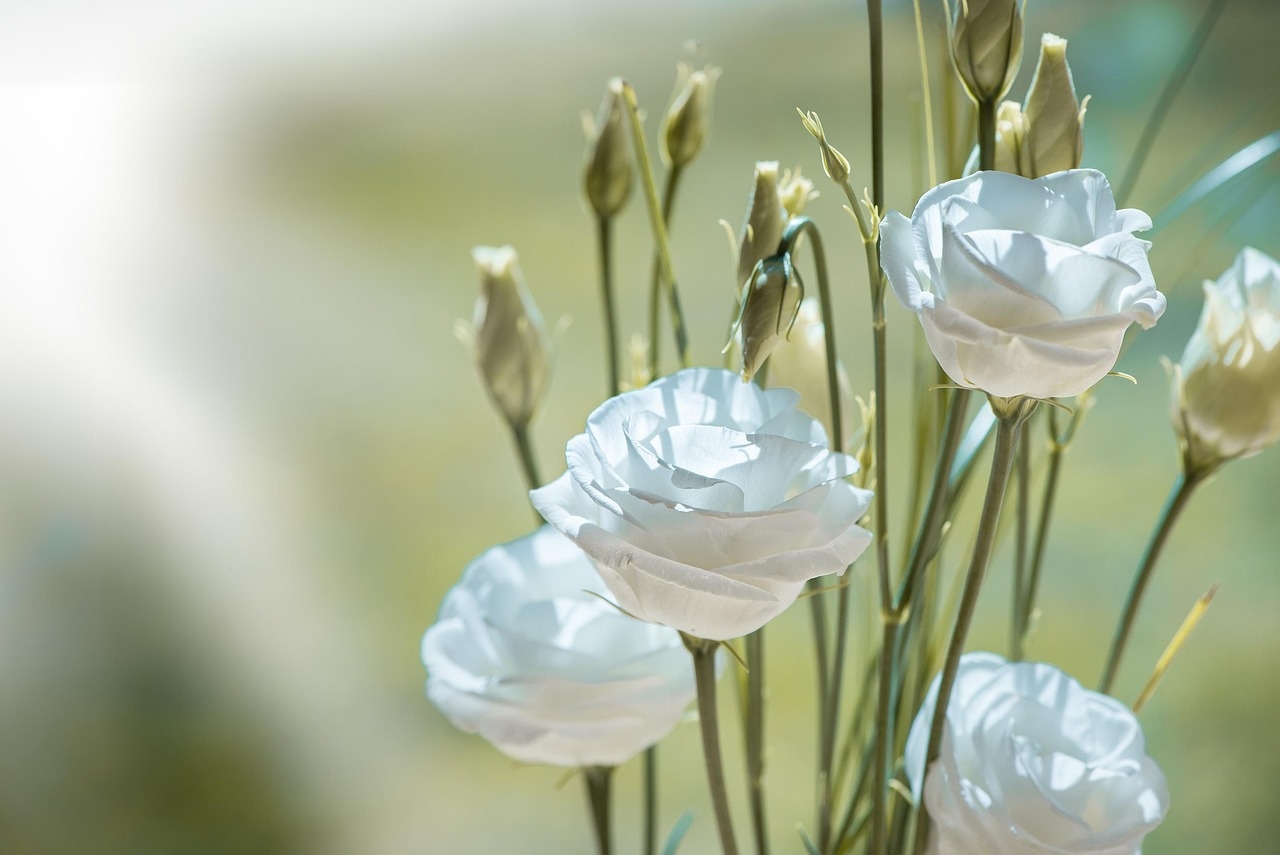
4. Lisianthus
Soft, romantic, and entirely pollen-free, lisianthus (Eustoma) comes in whites, lavenders, and pinks. Their elegant, long stems make them popular for hospital-friendly bouquets.
5. Carnations
A favorite for longevity (up to 2 weeks), carnations don’t release pollen into the air. They’re affordable–average $30 for a mixed bouquet as of 2026–and widely available.
6. Anthuriums
These shiny, heart-shaped blooms aren’t just eye-catching–they’re almost totally pollenless. Their unique look stands out in modern, tropical-style arrangements.
List: Other Hospital-Safe Blooms
- Hydrangeas
- Snapdragons
- Mini calla lilies (Zantedeschia)
- Alstroemeria
- Tulips (closed blooms)
Hospital Room Flower Guide: What to Avoid
Not every flower passes the test. Here’s a quick comparison:
| Flower | Pollen Level | Hospital-Safe? | Notes |
|---|---|---|---|
| Lilies | High | No | Pollen stains & allergies |
| Sunflowers | High | No | Sheds pollen easily |
| Daisies | High | No | Airborne pollen |
| Chrysanthemums | Med-High | No | Scent + shedder |
| Freesia | Low | Yes | Mild scent, safe |
| Hydrangea | Very low | Yes | Sterile blooms |
| Anthurium | Low | Yes | Unique texture |
| Carnation | Very low | Yes | Great longevity |
Pro tip:
If you see visible anthers (the flower’s “dusty” tip), skip it.
How Florists Create Pollen-Free Arrangements
It takes more than flower selection to meet hospital standards. Top American florists use three main tactics:
Stem Preparation
Florists meticulously remove any visible pollen, stamens, or anthers–even on otherwise “safe” blooms. Special tools and sterile gloves are often used.
Arrangement Style
Hospital arrangements are typically compact, with stems cut short for easy handling and display. Containers are always leak-proof and easy to move.

Packaging & Delivery
In 2026, reputable florists (try Teleflora, UrbanStems, Farmgirl Flowers) label arrangements as “hospital-safe.” Deliveries are timed for hospital visiting hours and include contactless drop-off.
“We sanitize vases and use only filtered water for hospital orders,” confirms Alex Chu, owner of Brooklyn Blossom Studio. “It’s about more than beauty–it’s about patient health.”
The Science: How Do Some Flowers Have Less Pollen?
Sterile Hybrids & Double-Flowered Varieties
Many cut flowers are hybridized for ornamental traits. Breeders select plants that put energy into larger, more numerous petals rather than reproductive structures. Double-flowered varieties, for example, often replace pollen-bearing parts entirely with extra petals.
Enclosed vs. Exposed Pollen
- Enclosed pollen (as in orchids or anthuriums) stays trapped, so there’s minimal to no airborne risk.
- Exposed pollen (think lilies, sunflowers) shakes loose easily, even with light handling.
Fun fact:
A 2023 study by the American Horticultural Society showed that cut roses bred for floristry produce up to 96% less airborne pollen than garden varieties.
Hospital Policies on Flowers in 2026
According to a recent survey of 520 US hospitals (Hospital Flower Protocols Study, 2025), 72% ban flowers in critical care or ICU, but allow pollen-free bouquets in general wards.
Typical requirements:
- No water-absorbing foam (can harbor bacteria)
- No soil or potted plants
- Flowers must be pollen-free and scent-light
- Vases must be easy to sanitize
Some leading hospital systems (Kaiser Permanente, Cleveland Clinic) have digital guides for gift-givers, with lists of approved blooms and preferred delivery vendors.
Ordering and Delivering Allergy-Friendly Flowers
US Florist Options
- Teleflora: Mark “allergy-friendly” at checkout. Delivery in all 50 states.
- UrbanStems: “Hospital safe” arrangements, usually $55-$90, same-day available in major cities.
- 1-800-Flowers: Special filter for hospital delivery since 2024.
- Local shops: Many offer custom arrangements with pollen-free labeling–just call and ask.
Timing and Etiquette
- Call the hospital first to ask about current policies. (These can change, especially during health crises.)
- Include the patient’s full name, room number, and attending nurse’s station on the order.
- Deliver during visiting hours; avoid late evenings.
Pull Quote
“A little care goes a long way. The right arrangement won’t just brighten a room–it’ll make everyone breathe easier, too.”
– Leah Riggins, AIFD, Boston Blooms
FAQ: Pollen-Free Flowers for Hospitals
What flowers are safe for hospital delivery?
Orchids, hydrangeas, tight-budded roses, lisianthus, carnations, anthuriums, snapdragons, and mini calla lilies are all considered safe for hospitals. They have minimal or no airborne pollen and comply with most hospital policies.
Why aren’t lilies allowed in hospitals?
Lilies produce large amounts of loose, powdery pollen which can cause allergic reactions, stain skin/fabric, and even trigger asthma attacks. Most US hospitals prohibit lilies for this reason.
Can I bring potted plants instead of cut flowers?
No, most US hospitals ban potted plants due to the risk of mold and bacteria in soil, which can be dangerous for vulnerable patients.
Are scented flowers allowed in hospital rooms?
Strongly scented flowers are discouraged. Mildly fragrant blooms like roses or freesia are sometimes accepted, but always check with hospital staff first.
How do I know if a bouquet is truly pollen-free?
Ask the florist to confirm the arrangement is hospital-safe or allergy-friendly. Look for arrangements labeled as such by major online florists or request a custom order specifying pollen-free varieties.
Brighten Recovery–Thoughtfully
Next time you’re thinking of sending cheer to a loved one in recovery, don’t settle for just any bouquet. Choose a pollen-free arrangement–your gift will be as health-conscious as it is heartfelt. Most American florists in 2026 are ready to help you send something beautiful, safe, and memorable. Consider adding a handwritten card or a comforting favorite book along with those blooms. Healing, after all, is in the details.