Contents:
- What Makes a Strong Florist Brand and Logo? (Featured Snippet)
- Why Branding Matters For Florists–Beyond Pretty Flowers
- Essential Elements of Florist Branding
- Name and Tagline
- Color Palette
- Typography
- Imagery and Voice
- Designing a Florist Logo That Sells
- Visual Elements
- Scalability and Versatility
- Color vs. Black & White
- Branding Across Platforms: From Storefront to Social
- Packaging
- Shopfront and Delivery Vehicles
- Website and Online Presence
- DIY vs. Hiring a Pro: What’s Best for Florists?
- DIY Branding
- Professional Design
- Mistakes to Avoid in Florist Branding
- FAQ: Florist Branding and Logo Guide
- What are the most popular colors for florist logos in the US (2026)?
- How much does it cost to get a professional florist logo designed in the US?
- Can I use floral photography in my logo?
- How do I make sure my branding attracts my ideal clients?
- Should I trademark my florist logo?
Florist Branding and Logo Guide
Tucked behind a sea of peonies and eucalyptus, Hidden Stem Florals in Chicago doubled their wedding bookings in 2025 after a simple logo redesign. Turns out, customers don’t just buy flowers–they buy the entire experience, right down to the tag on the bouquet. In the crowded US floral market, a florist’s branding and logo can be as enchanting as their signature arrangements.
What Makes a Strong Florist Brand and Logo? (Featured Snippet)
A strong florist brand and logo make you instantly recognizable, convey your style (romantic, modern, wild, etc.), and build trust at a glance. Effective florist logos use memorable shapes, on-trend colors, and legible fonts–even when shrunk to Instagram profile size. Consistency across your storefront, packaging, website, and social media helps create a seamless customer experience. Top-performing US florists in 2026, like Farmgirl Flowers and BloomsyBox, all showcase polished branding that tells a unique story and stands out in a crowded market.
Why Branding Matters For Florists–Beyond Pretty Flowers
Branding isn’t just about looking good. It’s about being remembered. In 2026, the US floral industry is worth over $18 billion, and competition is fierce–nearly 36,000 flower shops are fighting for attention (Statista, 2026). “People buy flowers with their hearts, not just their eyes,” says Janice Porter, owner of LA’s Wild Petal Studio, who credits her hand-drawn poppy logo for tripling her Instagram followers in under a year.
A professional brand helps in three key ways:
- Recognition: Customers spot your work from a single photo.
- Trust: Good design communicates professionalism, attracting more weddings and corporate clients.
- Word-of-mouth: Memorable branding sticks in customers’ minds, making referrals easy.
A flower shop without clear branding is like a bouquet without a focal bloom–easy to overlook.
Essential Elements of Florist Branding
Name and Tagline
Choose a name that reflects your floral style and market. “Blush & Vine” evokes romance, while “Urban Stems” feels contemporary. Short, evocative taglines work: “Wildly Crafted Bouquets” or “Celebration in Every Stem.”
Color Palette
Colors set the tone. In 2026, muted greens, soft blush pinks, and terracotta are trending for boutique florists, according to Pantone. But bold purples and yellows grab attention for delivery services like 1-800-Flowers.
- Pro tip: Limit your brand palette to 2-3 main colors and 1-2 accent shades for versatility.
Typography
Choose no more than two fonts–one for your logo, one for body text. Script fonts evoke elegance (think wedding florists), while bold sans-serifs communicate modern, fuss-free arrangements.
Imagery and Voice
Do you want your brand voice to sound poetic, cheeky, or straightforward? Imagery should match. Farmgirl Flowers uses kraft paper and playful copy (“We Ship Happy”) to express their casual, eco-friendly vibe. Luxe studios like Winston Flowers opt for high-gloss photography and softer, more formal language.
Designing a Florist Logo That Sells
Visual Elements
Iconic florist logos often feature stylized blooms (roses, peonies), leaves, or abstract plant shapes. But don’t be cliché–think about incorporating your specialty flower or unique arranging style. For example, Seattle’s “Fern & Foliage” uses a minimal fern outline, setting them apart from rose-heavy competitors.
Scalability and Versatility
Your logo will appear everywhere: bouquets, aprons, vans, invoices, Instagram feeds. Test your design at different sizes and on various backgrounds. Canva and Looka are popular US tools florists use in 2026 for quick, affordable logo mockups (under $50).
Color vs. Black & White
Always create a black-and-white version for receipts, stamps, and embossing wax seals. It should still be recognizable.
Example: Comparison Table
| Logo Feature | Why It Matters | Example Florist |
|---|---|---|
| Simple silhouette | Recognizable at small sizes | Fern & Foliage (Seattle) |
| Unique typeface | Expresses brand personality | Wild Petal Studio (LA) |
| Subtle floral icon | Creates instant association with flowers | Blush & Vine (Austin) |
| Adaptable colorway | Works on digital and physical materials | Farmgirl Flowers (San Fran) |
“A logo should feel like a signature–unmistakably yours, but elegant enough for any occasion.”
– Mia Santiago, branding consultant, NYC
Branding Across Platforms: From Storefront to Social
Packaging
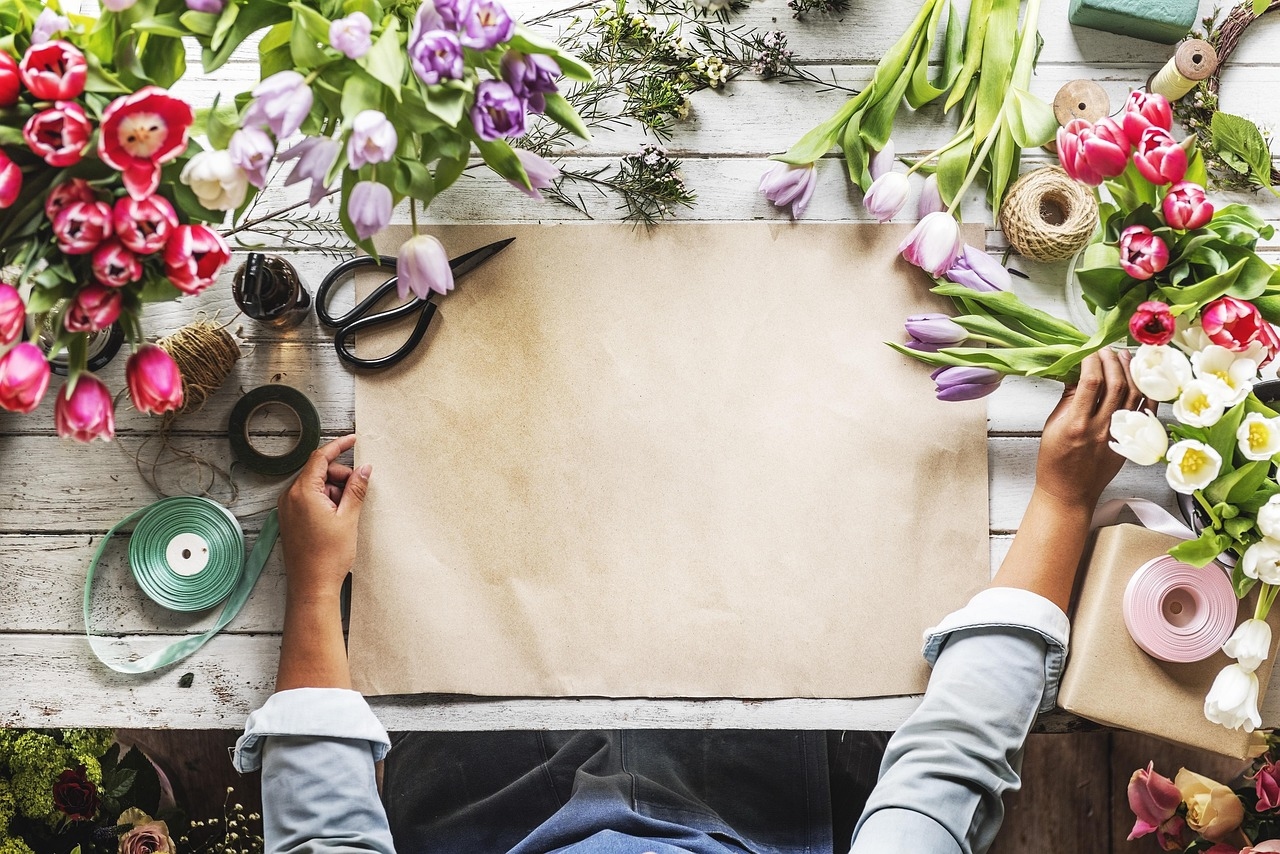
In 2026, 81% of US customers say unique packaging makes them more likely to remember a florist (National Retail Federation). Use logo stickers, branded wrapping paper, and even custom ribbon. For delivery, opt for eco-friendly materials–60% of Gen Z buyers prefer florists using recycled paper.
Shopfront and Delivery Vehicles
Your shop sign should be legible from a distance and true to your brand colors. Delivery vans are moving billboards; vinyl wraps with your logo and Instagram handle can drive real leads, as seen with DC’s urban florist “Petal Pushers”.
Website and Online Presence
On Etsy or Shopify, your logo and color palette need to match your physical branding. Use consistent photo filters, headers, and tone of voice. For Instagram and TikTok, logos need to be bold and simple–think of how Flower Muse uses a single anemone icon for their profile pic.
DIY vs. Hiring a Pro: What’s Best for Florists?
Some florists sketch their logo on a napkin; others invest in a designer. Which is right for you?
DIY Branding
- Pros: Low cost (often under $100 with Canva), full creative control.
- Cons: Risk of looking generic. May not scale well.
Professional Design
- Pros: Unique, expertly crafted branding; files for print and web; strategy guidance.
- Cons: Cost–average US design package in 2026: $800-$2,000.
When to Level Up?
If you’re booking weddings, opening a second location, or targeting luxury clients, a pro is wise. “You outgrow the DIY phase as soon as your brand needs to feel premium,” says Mia Santiago, NYC branding consultant.
Mistakes to Avoid in Florist Branding
- Copycatting Bigger Brands
- Customers see right through a Farmgirl Flowers knockoff.
- Too Much Detail
- Intricate logos get muddy on small labels.
- Ignoring Target Audience
- Florists who specialize in corporate events need different branding from those focused on boho brides.
- Inconsistent Use
- Mixing old and new logos confuses customers and weakens your brand.
FAQ: Florist Branding and Logo Guide
What are the most popular colors for florist logos in the US (2026)?
Muted green, blush pink, terracotta, and sandy neutrals continue to dominate for boutique florists. Large chains often use bolder colors like purple and yellow for high visibility. Trends evolve, but nature-inspired hues remain perennial favorites.
How much does it cost to get a professional florist logo designed in the US?
In 2026, hiring a freelance designer or agency for a florist logo typically ranges from $800 to $2,000, depending on package details. DIY tools like Canva or Looka cost $15-$100 for templates and customizations.
Can I use floral photography in my logo?
While detailed floral photography isn’t practical for logos (due to scalability), simplified illustrations or stylized line art of flowers work well and remain clear even at small sizes.
How do I make sure my branding attracts my ideal clients?
Research competitors and clarify your target audience’s tastes. Use focused color palettes, typefaces, and imagery that resonate with your preferred clients–whether that’s upscale brides, eco-conscious shoppers, or corporate event planners.
Should I trademark my florist logo?
Yes–trademarking your unique logo protects your business identity and prevents copycats, especially as you grow. Consult a US intellectual property attorney for best practices and costs (expect $250-$600 in filing fees).
Ready to create a brand that blossoms? Start by studying your bouquets: what colors, moods, and messages do they send? Use those insights to build branding and a logo as fresh and unforgettable as your favorite flower arrangement. The right design isn’t just a detail–it’s your calling card in every hand-delivered moment.