Contents:
- Quick Answer: How Often Should You Change Vase Water for Flowers?
- Why Fresh Vase Water Matters More Than You Think
- How to Change Vase Water Properly (and Why It Matters)
- Step-by-Step Guide
- Which Flowers Need the Most Frequent Water Changes?
- Table: Changing Frequency for Popular Cut Flowers
- What About Flower Food, Sugar, or Penny Tricks?
- Do Old Tricks Work?
- Hard Water, Soft Water, and Filtered Water: Does It Matter?
- Pull-Quote
- How to Tell When It’s Time to Change Vase Water
- Pro Tips: Making Your Bouquets Last Even Longer
- FAQ: How Often Should You Change Vase Water for Flowers? (2026)
- How often should you change vase water for roses?
- What’s the best way to clean a flower vase?
- Does flower food replace the need to change water?
- Is it bad to leave flowers in the same water for a week?
- Can I use filtered or bottled water for flowers?
How Often Should You Change Vase Water for Flowers? An Expert Guide to Longer-Lasting Bouquets
The quickest way to sabotage a gorgeous bouquet isn’t a lack of sunshine or forgetting floral food–it’s letting vase water turn murky and stagnant. By day three, your once-lively tulips or hydrangeas can wilt, develop that telltale musty smell, and lose their luster. Sound familiar? Turns out, the frequency of changing vase water can mean the difference between two days of color or a full week of joy on your kitchen counter.
Quick Answer: How Often Should You Change Vase Water for Flowers?
Change vase water every 1-2 days for most cut flowers.
For best results:
- Daily water changes maximize freshness (especially for quick-drinking florals like dahlias, lilies, and sunflowers).
- Wash the vase and trim stems each time.
- Avoid going more than 48 hours without a change for standard grocery store bouquets.
This routine keeps bacteria at bay and extends your flowers’ life dramatically.
Why Fresh Vase Water Matters More Than You Think
The science is simple: bacteria love nutrient-rich flower water. Dr. Melody Ruiz, a senior horticulturist at the American Floral Endowment, says,
“Stale water can host over 10,000 times more bacteria than fresh tap water by day three.”
That means clogged stems, brown petals, and an unpleasant smell. In a 2025 study at Rutgers University, changing vase water daily increased the vase life of roses by an average of 38% compared to water changed every four days. So, yes, your mom’s advice about clean water was spot on.
But there’s more. Certain flowers–calla lilies, peonies, and gerbera daisies, for instance–are especially sensitive. Petal edges turn mushy in less than 48 hours if their water gets cloudy.
How to Change Vase Water Properly (and Why It Matters)
Merely “topping off” a vase won’t do. Water must be completely replaced for best results. Here’s how the pros at urban florist shop Petal & Stem in Portland recommend:
Step-by-Step Guide
- Remove Flowers Gently
Hold stems together–don’t yank. Dropping petals signals trauma. - Dump the Old Water
Every last drop. Rinse out any debris, petals, or leaves. - Wash the Vase
Use dish soap, warm water, and a soft bottle brush. Rinse thoroughly. - Trim the Stems
Cut stems at a sharp 45-degree angle, about half an inch, under running water. This opens up vessels for water uptake. - Refill with Fresh Water
Use cold tap water, unless your blooms prefer warm. - Add Flower Food (If Available)
Flower food packets (like Chrysal or FloraLife, about $4 for a 5-pack on Amazon in 2026) slow bacteria growth and nourish flowers. - Remove Foliage Below Waterline
Leaves submerged in water rot quickly and fuel bacteria.
A clean vase is a healthy vase. Even the tiniest residue of old water can breed bacteria exponentially.
Which Flowers Need the Most Frequent Water Changes?
Some cut flowers guzzle water and are especially prone to bacteria. Here’s a quick rundown:
- Hydrangeas: notorious for drinking quickly; change daily.
- Dahlias, Lilies, Sunflowers: prone to stem rot; change daily or every other day.
- Tulips: droop fast in dirty water; daily changes keep them upright.
- Roses: benefit from daily or every-other-day changes.
- Carnations, Chrysanthemums: longer-lasting, but every two days is still best.
Table: Changing Frequency for Popular Cut Flowers
| Flower Type | Change Water Every… | Special Notes |
|---|---|---|
| Hydrangea | 24 hours | Re-cut stems after each change |
| Lilies | 24 hours | Remove pollen to avoid stains |
| Roses | 1-2 days | Remove guard petals |
| Tulips | 24 hours | Use cold water |
| Carnations | 2 days | Lasts up to 14 days if clean |
| Peonies | 1-2 days | Sensitive to bacteria |
What About Flower Food, Sugar, or Penny Tricks?
Flower food isn’t just a nice extra–it makes a measurable difference. The powder blends (often included with bouquets from US supermarkets like Trader Joe’s or Whole Foods) contain sugar, acidifiers, and antimicrobial agents.
A 2026 study published by the Society of American Florists found commercial flower food extended vase life by 2-4 days on average.
Do Old Tricks Work?
- Aspirin: Minimal effect; not proven.
- Copper penny: Provides mild antibacterial effect, but less than commercial food.
- Vodka or bleach: Works in tiny quantities (a drop per quart) but can damage flowers if overused.
“Most DIY hacks are hit or miss. The best gift you can give your flowers is clean water,” says Lauren Chin, owner of Brooklyn’s Wildfloral Studio.
Hard Water, Soft Water, and Filtered Water: Does It Matter?
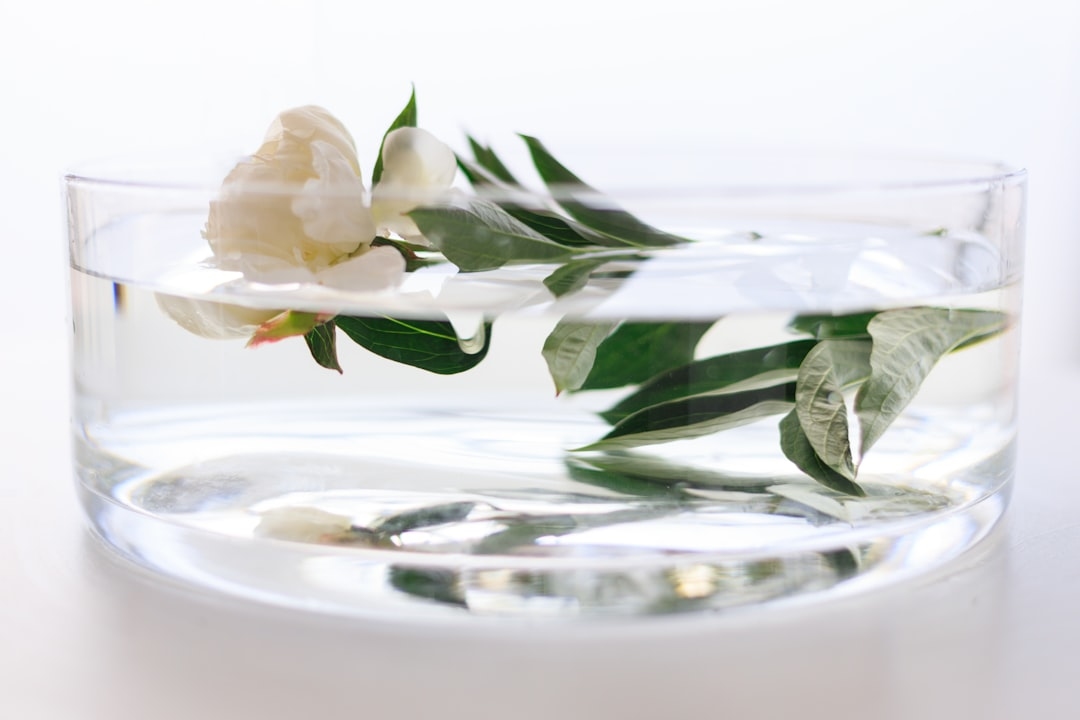
The type of water can affect your bouquet–though fresh tap water is fine for most US homes.
- Hard water (high mineral content) may cause cloudy vases and mineral buildup on stems. Filtered or distilled water can be beneficial for sensitive blooms.
- Softened water contains sodium, which can hurt some flowers. Stick to filtered tap or bottled water if you use a salt-based water softener at home.
Pull-Quote
“If your water tastes good to you, it’s usually good enough for your flowers–just keep it moving and clean!”
–Jillian Reyes, Certified Floral Designer, Denver
How to Tell When It’s Time to Change Vase Water
Even if you skip the calendar, your senses are your best tool.
- Cloudiness: If water looks hazy, change it immediately.
- Smell: Musty or sour odor means bacteria are present.
- Floating Debris: Fallen petals and leaves speed up decay.
- Wilting or Slime: Slippery stems = bacterial slime has set in.
Letting water go past the point of clear and scent-free is asking for a short-lived arrangement.
Pro Tips: Making Your Bouquets Last Even Longer
Some Florist-Approved Habits:
- Display flowers in a cool location: Avoid direct sunlight and heat vents.
- Trim stems each water change: Even a small snip improves water uptake.
- Remove dying stems immediately: One bad flower can spoil the bunch.
- Use clean, sharp scissors or pruners: Crushed stems close up, but a clean cut stays open.
- Don’t overcrowd the vase: Airflow helps prevent mold.
FAQ: How Often Should You Change Vase Water for Flowers? (2026)
How often should you change vase water for roses?
For roses, change the vase water every 1-2 days. Fresh water prevents bacteria that clog stems and keeps petals from browning.
What’s the best way to clean a flower vase?
Wash the vase with dish soap and warm water. Use a bottle brush for narrow necks. Rinse thoroughly to remove any soap residue before refilling.
Does flower food replace the need to change water?
No. While flower food slows bacterial growth, it doesn’t eliminate the need to change vase water regularly. Clean, fresh water is always essential.
Is it bad to leave flowers in the same water for a week?
Yes. Most cut flowers will wilt and decay quickly if left in the same water for seven days. Change water every 1-2 days for maximum vase life.
Can I use filtered or bottled water for flowers?
Yes, especially if your tap water is hard or softened with salt. Filtered or bottled water is gentler on sensitive flowers.
Fresh flowers are a little luxury–worth those few extra minutes every day for a splash of color that endures. Set a reminder on your phone, keep your favorite pair of floral shears handy, and enjoy that uplifting burst of life every time you walk by your vase. The payoff? An extra three, four, or even five days of blooms brightening your home (and your mood). Try changing your flower water tonight–it’s the simplest flower care hack you’ll ever try.